


Retrospective study of COVID-19 experiences in elite multinational aquatic athletes
- PMID: 37633994
- PMCID: PMC10460449
- DOI: 10.1038/s41598-023-40821-2
Retrospective study of COVID-19 experiences in elite multinational aquatic athletes
Abstract
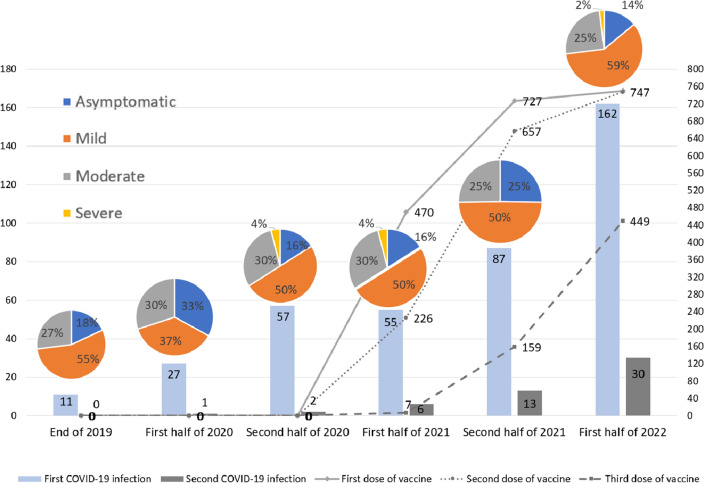
This study assessed the experiences of elite aquatic athletes with coronavirus disease 2019 (COVID-19) during the first World Championship conducted without social distancing and an isolation "bubble". An online questionnaire was completed by 812 athletes (22.7 ± 5.9 years, 467 females) to provide data on demographics, sports activity, severe acute respiratory syndrome coronavirus 2 (SARS-CoV-2) infection rates, symptoms, reinfection, vaccination status, and psychological aspects. The answers revealed that 49.4% of athletes had experienced SARS-CoV-2 infection. The infection rates varied significantly across different aquatic sports, with open water swimmers having the lowest (28%) and water polo players (67%) and artistic swimmers (61%) having the highest infection rates (p < 0.0001). The majority reported mild (51%) or moderate (27%) symptoms, while 16% remained asymptomatic. Reinfection occurred in 13%, and 10% of initial infections led to long COVID, with fatigue (65%) and shortness of breath (48%) being the most common long-term symptoms. Significantly, 92% of athletes received at least two vaccine doses and reported a positive vaccination experience (median score of 8 out of 10 for each shot). Mood changes and subjective performance drops significantly correlated with the overall experience scores (rho: 0.617, p < 0.0001, and rho: 0.466, p < 0.0001, respectively). In conclusion, most athletes experienced a benign disease course despite a relatively high infection rate. This study provides valuable insights into the COVID-19 experiences of elite aquatic athletes. The findings emphasize the importance of vaccination initiatives, monitoring psychological well-being and the need to fortify athletes' resilience in the face of future health challenges.
© 2023. Springer Nature Limited.
Conflict of interest statement
The authors declare no competing interests.
Figures
References
Publication types
MeSH terms
LinkOut - more resources
Full Text Sources
Medical
Miscellaneous
