


Hearing Outcomes in the Audiology Department of a Children Hospital
- PMID: 37636725
- PMCID: PMC10447688
- DOI: 10.1007/s12070-023-03715-3
Hearing Outcomes in the Audiology Department of a Children Hospital
Abstract
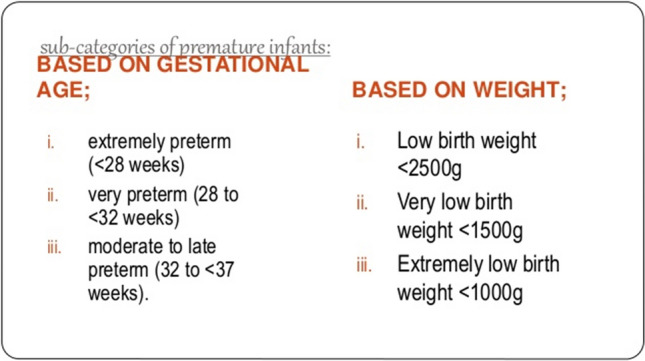
The incidence of sensorineural hearing loss is between 1 and 3 per 1000 in healthy neonates and 2-4 per 100 in high-risk infants. In this study, we assessed the incidence of hearing impairment in normal term (≥ 37 wga) infants (control group), in children with suspicion and/or risk factors of hearing loss, included premature infants (< 37 weeks gestational age (wga) and/or low birth weight < 2,5 Kgr), in children diagnosed with a specific syndrome and in children with speech disorder, candidate for speech therapy. Hearing impairment is a severe consequence of prematurity and its prevalence is inversely related to the maturity of the baby based on gestation age and /or birth weight. Both above parameters are of particular importance and it has not been found that one factor prevails over the other. Premature infants have many concomitant risk factors for hearing impairment. The most important other risk factors were ototoxic medications, very low birth weight and "treatment in the intensive care unit '' (low Apgar score and mechanical ventilation). Frequent risk factors such as congenital infections and family history of hearing loss, although frequently recorded, does not seem to be very significant. Children with speech disorder do not seem to suffer from hearing impairment more frequently than children in general population.
Keywords: Auditory brainstem response; Hearing loss; Otoacoustic emissions; Prematurity; Risk factors.
© Association of Otolaryngologists of India 2023. Springer Nature or its licensor (e.g. a society or other partner) holds exclusive rights to this article under a publishing agreement with the author(s) or other rightsholder(s); author self-archiving of the accepted manuscript version of this article is solely governed by the terms of such publishing agreement and applicable law.
Conflict of interest statement
Conflict of interestThe author(s) declare that they have no competing interests.
Figures
References
-
- JCHI Joint Committee of Infant Hearing Position statement: principles and guidelines for early hearing detection and intervention programs. Pediatrics. 2019;4(2):1–44.
-
- Polinski C. Hearing outcomes in the neonatal intensive care Unit Graduate. Newborn Infant Nursing Rev. 2003;3(3):99–103. doi: 10.1016/S1527-3369(03)00037-0. - DOI
LinkOut - more resources
Full Text Sources