


High-fat diet during pregnancy promotes fetal skeletal muscle fatty acid oxidation and insulin resistance in an ovine model
- PMID: 37642284
- PMCID: PMC11178291
- DOI: 10.1152/ajpregu.00059.2023
High-fat diet during pregnancy promotes fetal skeletal muscle fatty acid oxidation and insulin resistance in an ovine model
Erratum in
-
Corrigendum for Omar et al., volume 325, 2023, p. R523-R533.Am J Physiol Regul Integr Comp Physiol. 2024 Sep 1;327(3):R319. doi: 10.1152/ajpregu.00059.2023_COR. Am J Physiol Regul Integr Comp Physiol. 2024. PMID: 39121050 Free PMC article. No abstract available.
Abstract
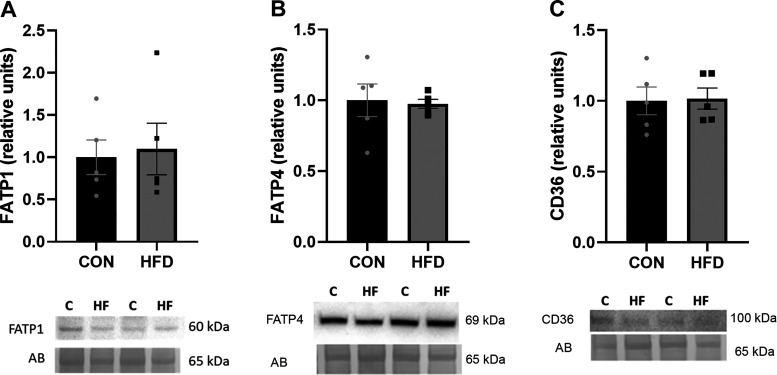
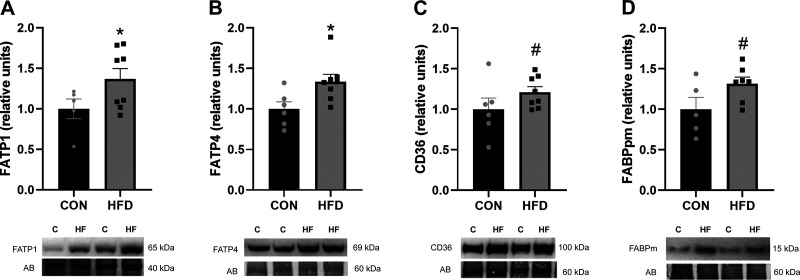
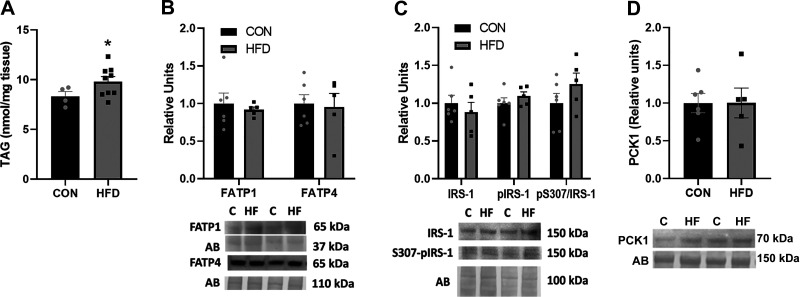
Maternal diet during pregnancy is associated with offspring metabolic risk trajectory in humans and animal models, but the prenatal origins of these effects are less clear. We examined the effects of a high-fat diet (HFD) during pregnancy on fetal skeletal muscle metabolism and metabolic risk parameters using an ovine model. White-faced ewes were fed a standardized diet containing 5% fat wt/wt (CON), or the same diet supplemented with 6% rumen-protected fats (11% total fat wt/wt; HFD) beginning 2 wk before mating until midgestation (GD75). Maternal HFD increased maternal weight gain, fetal body weight, and low-density lipoprotein levels in the uterine and umbilical circulation but had no significant effects on circulating glucose, triglycerides, or placental fatty acid transporters. Fatty acid (palmitoylcarnitine) oxidation capacity of permeabilized hindlimb muscle fibers was >50% higher in fetuses from HFD pregnancies, whereas pyruvate and maximal (mixed substrate) oxidation capacities were similar to CON. This corresponded to greater triacylglycerol content and protein expression of fatty acid transport and oxidation enzymes in fetal muscle but no significant effect on respiratory chain complexes or pyruvate dehydrogenase expression. However, serine-308 phosphorylation of insulin receptor substrate-1 was greater in fetal muscle from HFD pregnancies along with c-jun-NH2 terminal kinase activation, consistent with prenatal inhibition of skeletal muscle insulin signaling. These results indicate that maternal high-fat feeding shifts fetal skeletal muscle metabolism toward a greater capacity for fatty acid over glucose utilization and favors prenatal development of insulin resistance, which may predispose offspring to metabolic syndrome later in life.NEW & NOTEWORTHY Maternal diet during pregnancy is associated with offspring metabolic risk trajectory in humans and animal models, but the prenatal origins of these effects are less clear. This study examined the effects of a high-fat diet during pregnancy on metabolic risk parameters using a new sheep model. Results align with findings previously reported in nonhuman primates, demonstrating changes in fetal skeletal muscle metabolism that may predispose offspring to metabolic syndrome later in life.
Keywords: fetal programming; maternal obesity; metabolic syndrome; nutrition; skeletal muscle.
Conflict of interest statement
No conflicts of interest, financial or otherwise, are declared by the authors.
Figures


References
Publication types
MeSH terms
Substances
LinkOut - more resources
Full Text Sources
Medical
Miscellaneous
