


Function of reactive oxygen species in myeloid-derived suppressor cells
- PMID: 37646034
- PMCID: PMC10461062
- DOI: 10.3389/fimmu.2023.1226443
Function of reactive oxygen species in myeloid-derived suppressor cells
Abstract
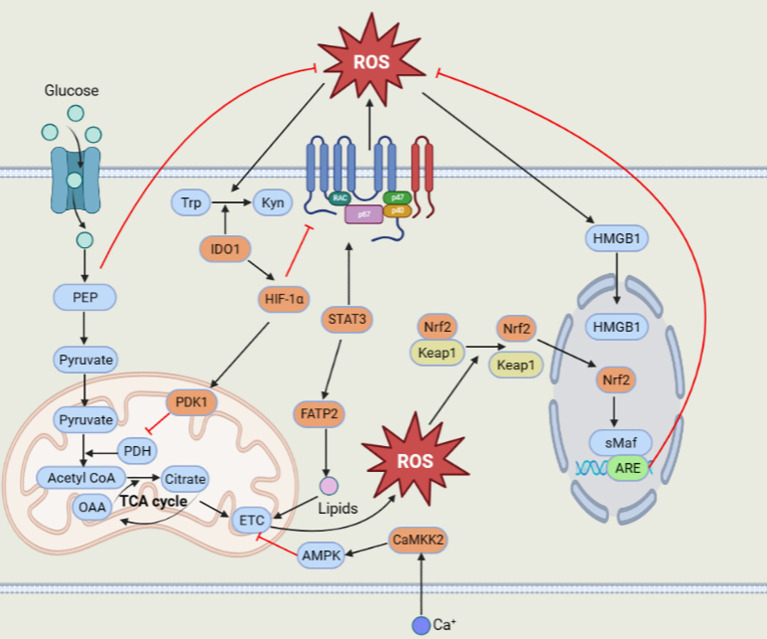
Myeloid-derived suppressor cells (MDSCs) are a heterogeneous myeloid cell population and serve as a vital contributor to the tumor microenvironment. Reactive oxygen species (ROS) are byproducts of aerobic respiration and are involved in regulating normal biological activities and disease progression. MDSCs can produce ROS to fulfill their immunosuppressive activity and eliminate excessive ROS to survive comfily through the redox system. This review focuses on how MDSCs survive and function in high levels of ROS and summarizes immunotherapy targeting ROS in MDSCs. The distinctive role of ROS in MDSCs will inspire us to widely apply the blocked oxidative stress strategy in targeting MDSC therapy to future clinical therapeutics.
Keywords: MDSCs; ROS; immunotherapy; tumor; tumor micro environment (TME).
Copyright © 2023 Huang, Zhao, Zhao, Yin and Wang.
Conflict of interest statement
The authors declare that the research was conducted in the absence of any commercial or financial relationships that could be construed as a potential conflict of interest.
Figures

References
Publication types
MeSH terms
Substances
LinkOut - more resources
Full Text Sources
