


Rice lipases: a conundrum in rice bran stabilization: a review on their impact and biotechnological interventions
- PMID: 37649880
- PMCID: PMC10462582
- DOI: 10.1007/s12298-023-01343-3
Rice lipases: a conundrum in rice bran stabilization: a review on their impact and biotechnological interventions
Abstract
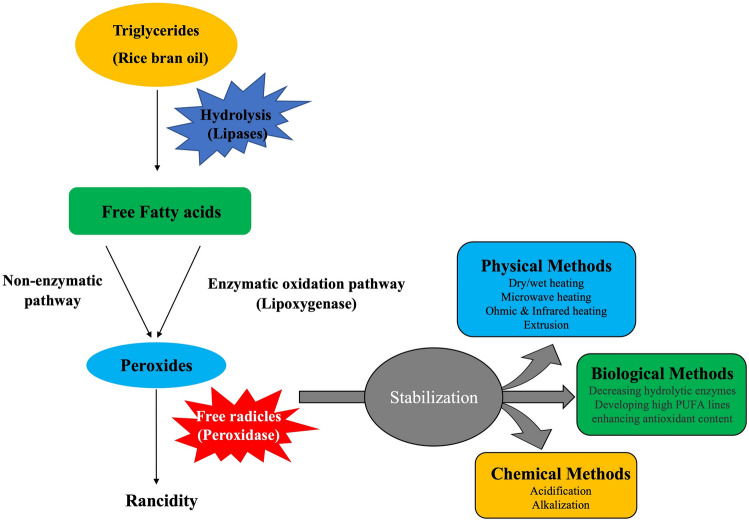
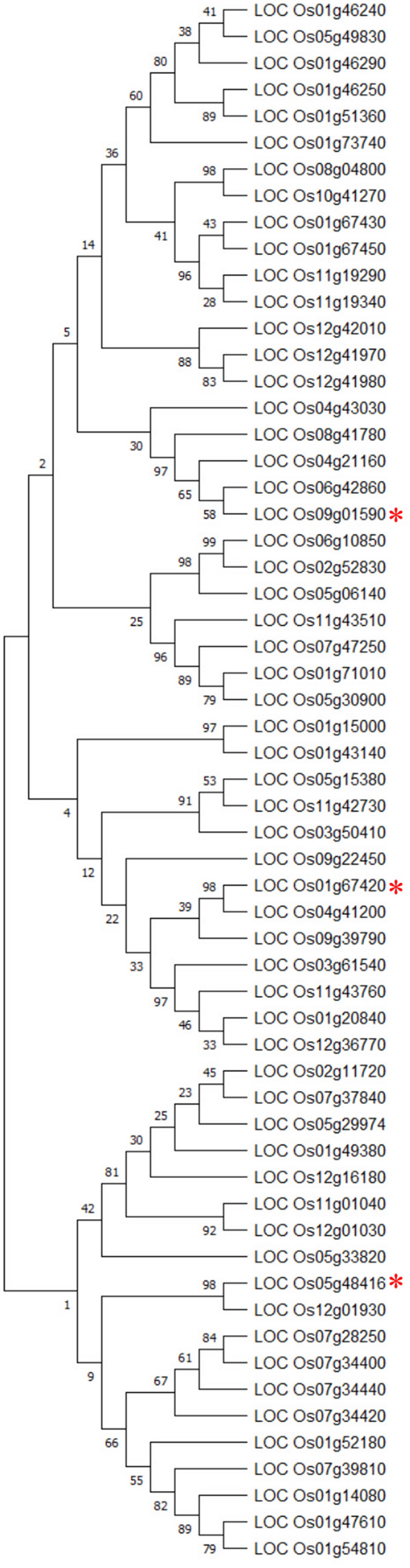
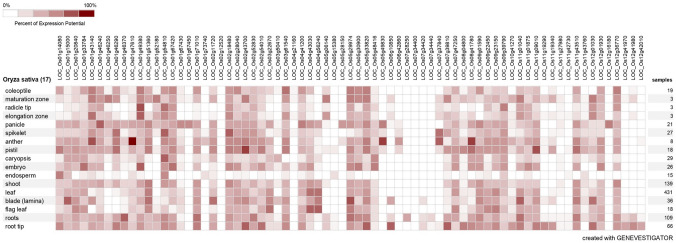
Rice is a primary food and is one of the most important constituents of diets all around the world. Rice bran is a valuable component of rice, containing many oil-soluble vitamins, minerals, and oil. It is known for its ability to improve the economic value of rice. Further, it contains substantial quantities of minerals like potassium, calcium, magnesium, iron and antioxidants like tocopherols, tocotrienols, and γ-oryzanol, indicating that rice bran can be utilized effectively against several life-threatening disorders. It is difficult to fully utilize the necessary nutrients due to the presence of lipases in rice bran. These lipases break down lipids, specifically Triacylglycerol, into free fatty acids and glycerol. This review discusses physicochemical properties, mechanism of action, distribution, and activity of lipases in various components of rice seeds. The phylogenetic and gene expression analysis helped to understand the differential expression pattern of lipase genes at different growth phases of rice plant. Further, this review discusses various genetic and biotechnological approaches to decrease lipase activity in rice and other plants, which could potentially prevent the degradation of bran oil. The goal is to establish whether lipases are a major contributor to this issue and to develop rice varieties with improved bran stability. This information sets the stage for upcoming molecular research in this area.
Supplementary information: The online version contains supplementary material available at 10.1007/s12298-023-01343-3.
Keywords: Gene expression; Lipase; Oryza sativa; Rice bran.
© Prof. H.S. Srivastava Foundation for Science and Society 2023. Springer Nature or its licensor (e.g. a society or other partner) holds exclusive rights to this article under a publishing agreement with the author(s) or other rightsholder(s); author self-archiving of the accepted manuscript version of this article is solely governed by the terms of such publishing agreement and applicable law.
Conflict of interest statement
Conflict of interestThe authors declare that they have no conflict of interest.
Figures
References
-
- Aalim H, Belwal T, Wang Y, Luo Z, Hu J. Purification and identification of rice bran (Oryza sativa L.) phenolic compounds with in- vitro antioxidant and antidiabetic activity using macroporous resins. Int J Food Sci Technol. 2019;54:715–722. doi: 10.1111/ijfs.13985. - DOI
-
- Akhter M, Afzal N, Haider Z, Raza MA. Inactivation of lipase enzyme by using chemicals to maximize rice bran shelf life and its edible oil recovery. J Nutr Food Sci. 2015;12:S12002. doi: 10.15761/IFNM.1000123. - DOI
-
- Al- Doury MK, Hettiarachchy NS, Horax R. Rice- endosperm and rice- bran proteins: a review. J Am Oil Chem Soc. 2018;95:943–956. doi: 10.1002/aocs.12110. - DOI
-
- Alauddina M, Islama J, Shirakawaa H, Kosekib T, Ardiansyahc KM. Rice bran as a functional food: an overview of the conversion of rice bran into a superfood/functional food. Superfood Funct Food-an Overv Process Util. 2017 doi: 10.5772/66298. - DOI
Publication types
LinkOut - more resources
Full Text Sources