Hip arthroplasty practice across the Organisation for Economic Co-operation and Development (OECD) over the last decade
- PMID: 37652085
- PMCID: PMC10471436
- DOI: 10.1308/rcsann.2022.0101
Hip arthroplasty practice across the Organisation for Economic Co-operation and Development (OECD) over the last decade
Abstract
Introduction: There are large variations in the number of hip replacements performed between countries, demonstrating large health inequalities; however, there has been limited research on this variation. The aims of this paper were to compare rates of hip replacements using Organisation for Economic Co-operation and Development (OECD) data for the period 2008-2018. The study also compared changes in the number of hip replacements in the total population and in only those aged over 65, and looked for a correlation of health expenditure and gross domestic product (GDP) with rates of hip replacements.
Methods: The OECD collects annual data from all member countries on the numbers of hip replacements, healthcare expenditure and GDP. Data analysis was undertaken using STATA. Descriptive statistics and Pearson's correlation coefficient were performed.
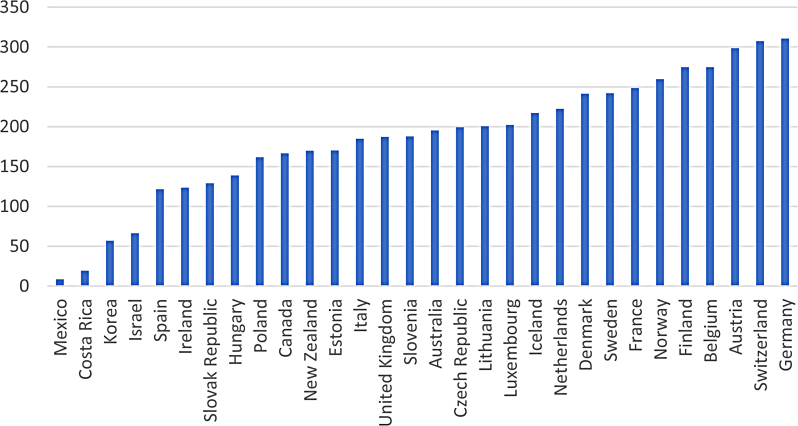
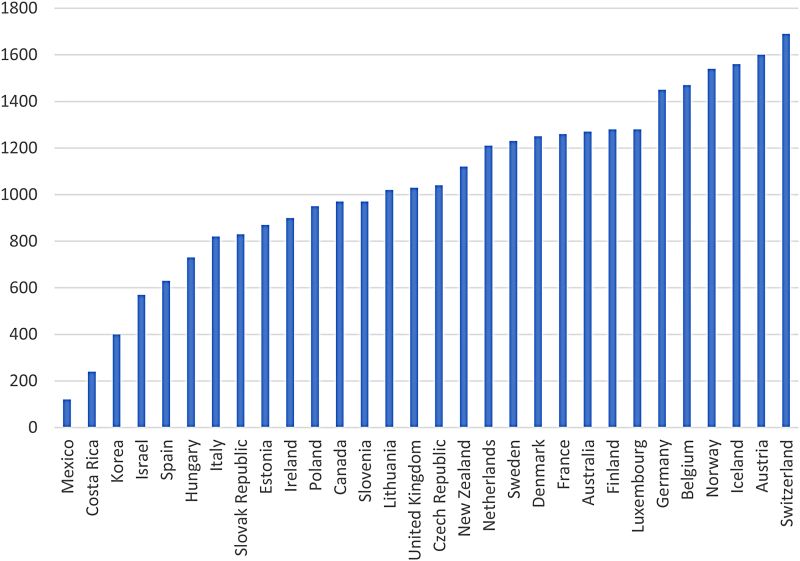
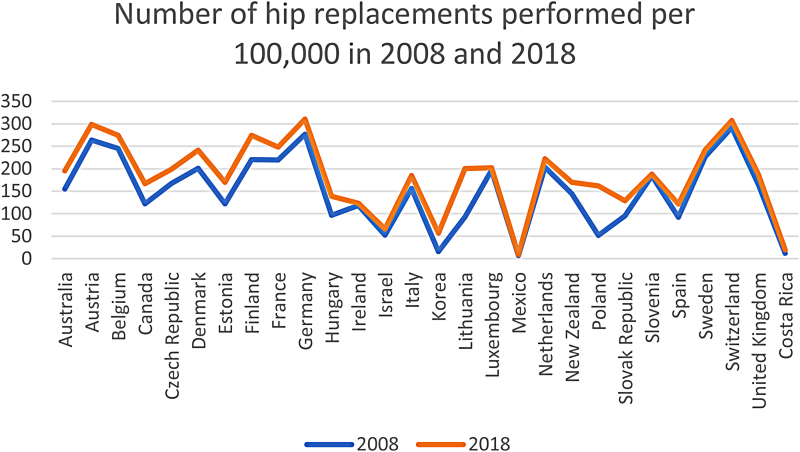
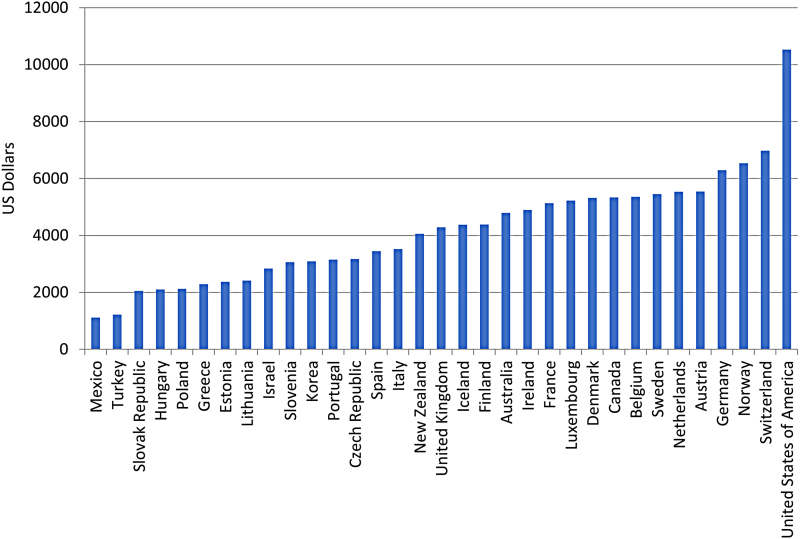
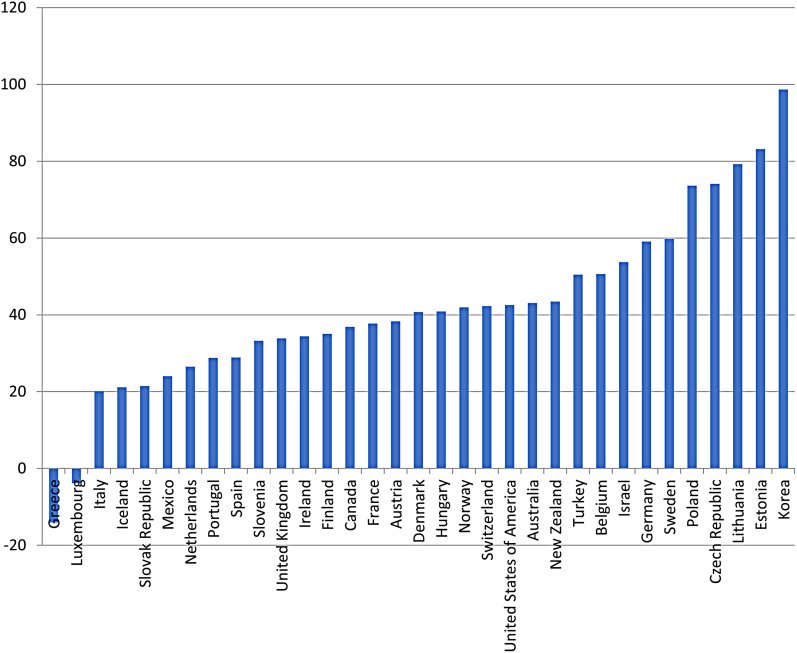
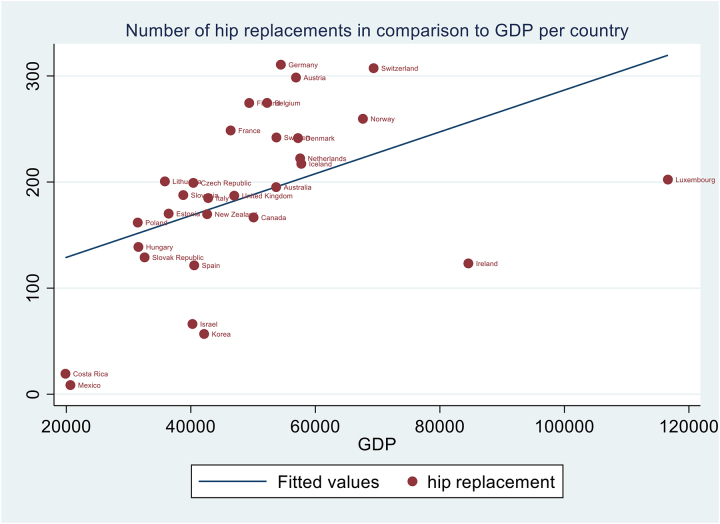
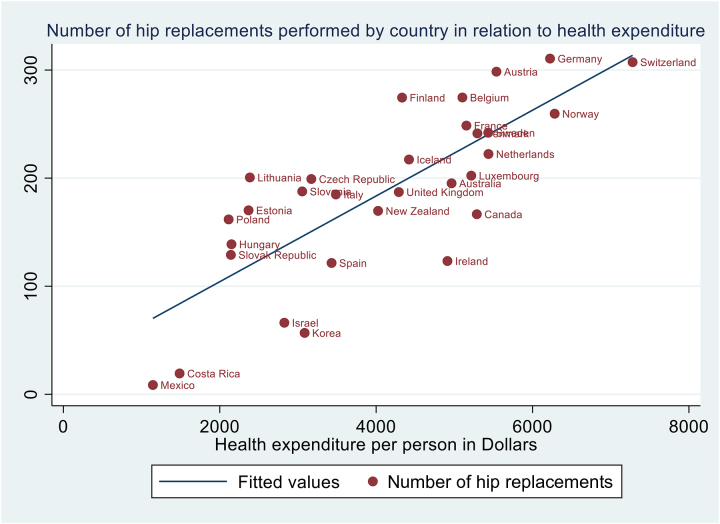
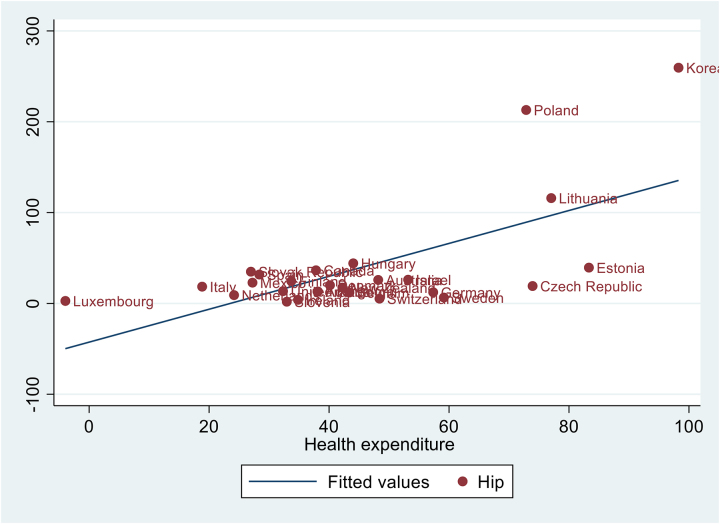
Results: The mean number of hip replacements performed in OECD countries in 2018 was 191.5 per 100,000 population per year. The largest number was 310.6 in Germany and the lowest was 8.6 in Mexico. There has been a 21.7% increase in the mean number of hip replacements across OECD countries. There was a moderate and significant Pearson coefficient of 0.468 (p = 0.009) between the number of hip replacements performed per 100,000 population in 2018 and GDP per person, and a strong and significant correlation with health expenditure (R = 0.784, p < 0.001). There was a moderate correlation (R = 0.645, p = 0.003) between the percentage change in the number of hip replacements performed per 100,000 population and the percentage change in healthcare expenditure per person between 2008 and 2018.
Conclusions: There is 36-fold variation in the practice of hip replacements across the OECD and the number of hip replacements has increased by more than 20% over the past decade. The number of hip replacements performed appears to be correlated with health expenditure in each country and may indicate a need that can only be met by increasing health expenditure.
Keywords: Epidemiology; Health inequalities; Hip arthroplasty; Incidence.
Figures
References
-
- Lodata E, Kaplan W. Osteoarthritis. In: Priority Medicines for Europe and the World: 2013 Update Report. Geneva: World Health Organization; 2013. pp. 68–74.
-
- Cross M, Smith E, Hoy Det al. The global burden of hip and knee osteoarthritis: estimates from the global burden of disease 2010 study. Ann Rheum Dis 2014; 73: 1323–1330. - PubMed
-
- United Nations. World Population to 2300. https://www.un.org/development/desa/pd/sites/www.un.org.development.desa... (cited August 2023).
-
- Ben-Shlomo Y, Blom A, Boulton C et al. The National Joint Registry 17th Annual Report 2020 [Internet]. London: National Joint Registry; 2020 Sep. PMID: 33439585. - PubMed
MeSH terms
LinkOut - more resources
Full Text Sources
Medical
Miscellaneous