


Persistent Headaches in an Avid Hiker: A Case of Chronic Coccidioidal Meningitis
- PMID: 37654964
- PMCID: PMC10468148
- DOI: 10.7759/cureus.42758
Persistent Headaches in an Avid Hiker: A Case of Chronic Coccidioidal Meningitis
Abstract
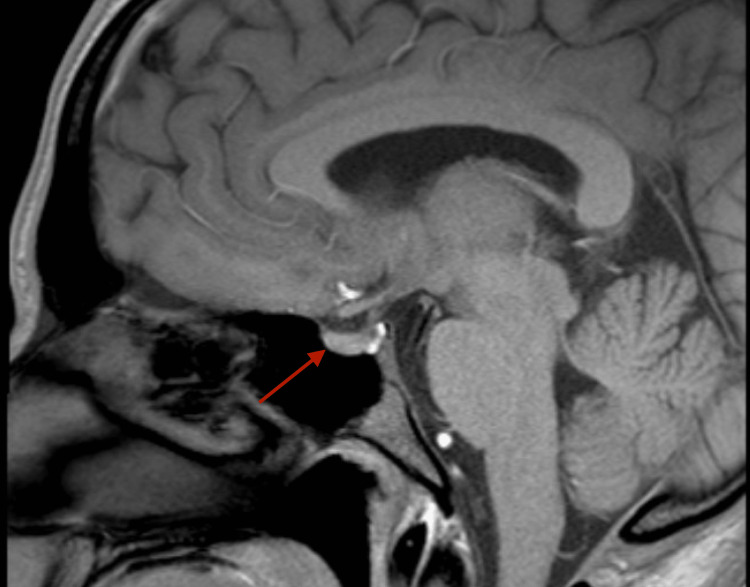
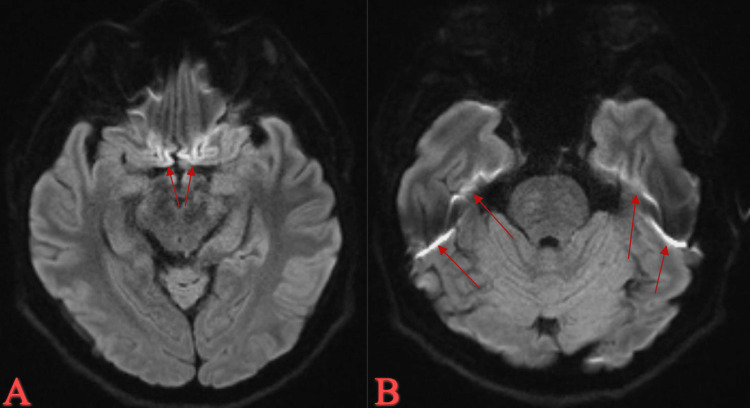
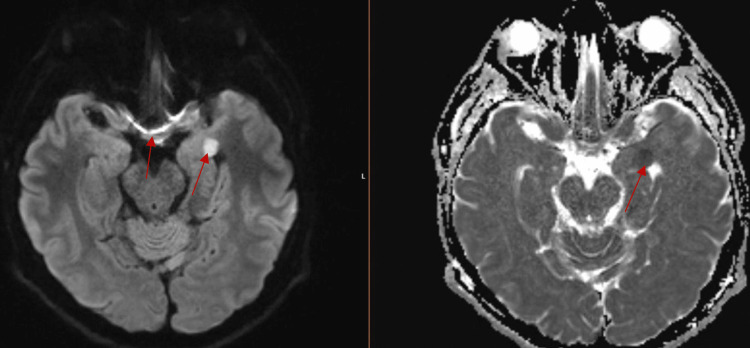
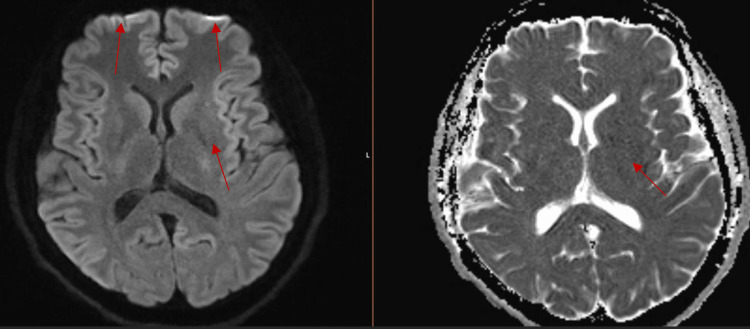
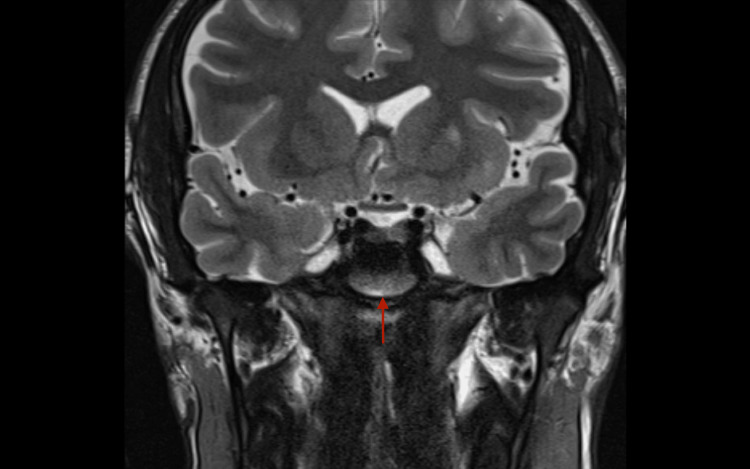
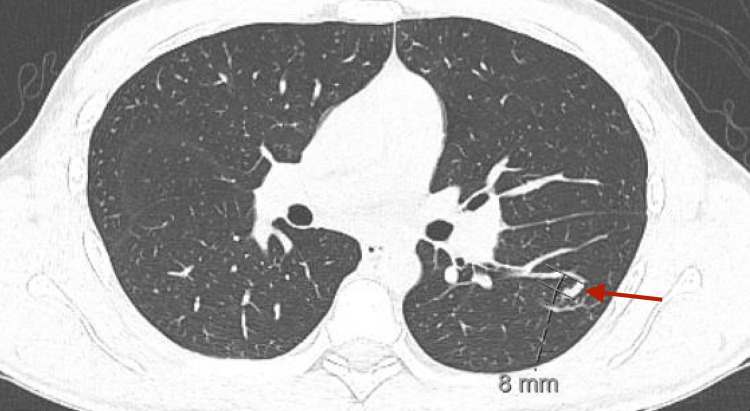
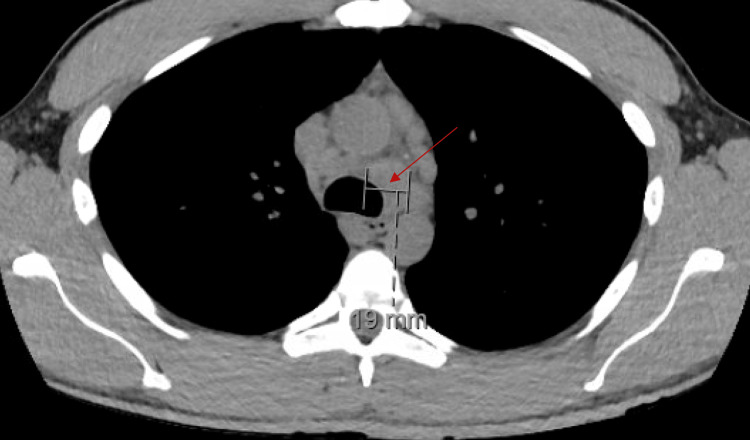
The clinical presentation, diagnosis, treatment, and complications of coccidioidal meningitis caused by the dimorphic pathogenic fungus Coccidioides (Coccidioides immitis and Coccidioides posadasii) have been well documented in the literature. Despite the abundance of literature concerning this disease manifestation, it is not very commonly seen in clinical practice, delaying its diagnosis and treatment and leading to devastating neurological sequelae. Therefore, considering this disease process as a potential diagnosis in endemic areas is important for appropriate and timely treatment. We present the case of a 26-year-old male who was found to have chronic coccidioidal meningitis on further investigation. The patient presented as a transfer for an abnormal head MRI with a three-month history of progressive occipital headaches and shortness of breath. Associated symptoms included transit vision loss, upper extremity numbness, night sweats, decreased appetite, and weight loss. Relevant risk factors were being a hiker and living in the southwest of Texas. The patient was started on empiric ceftriaxone and vancomycin. A repeat MRI showed leptomeningeal enhancement and acute infarcts in the left temporal lobe and lentiform nucleus. Cerebrospinal fluid (CSF) analysis showed pleocytosis with lymphocytic predominance, the presence of eosinophils, elevated protein level, and an extremely low glucose level. Further workup ruled out syphilis and tuberculosis. Therefore, considering his clinical presentation, risk factors, and workup results, ceftriaxone and vancomycin were discontinued, and high-dose oral fluconazole was started, which produced a marked clinical response within the next 48 hours. A CT thorax showed findings suggestive of pulmonary coccidioidomycosis, and Coccidioides serology in both serum and CSF specimens returned positive.
Keywords: coccidioidal meningitis; coccidioides immitis; coccidiomycosis; disseminated coccidioides; disseminated coccidiomycosis; fluconazole; left temporal lobe infarct; lentiform nucleus infarct; leptomeningeal enhancement; pulmonary coccidiomycosis.
Copyright © 2023, Bies et al.
Conflict of interest statement
The authors have declared that no competing interests exist.
Figures

References
-
- Pulmonary coccidioidomycosis. Thompson GR 3rd. Semin Respir Crit Care Med. 2011;32:754–763. - PubMed
-
- 2016 Infectious Diseases Society of America (IDSA) clinical practice guideline for the treatment of coccidioidomycosis. Galgiani JN, Ampel NM, Blair JE, et al. Clin Infect Dis. 2016;63:0–46. - PubMed
-
- Coccidioidal meningitis. Williams PL. Ann N Y Acad Sci. 2007;1111:377–384. - PubMed
-
- Coccidioidal meningitis: clinical presentation and management in the fluconazole era. Mathisen G, Shelub A, Truong J, Wigen C. Medicine (Baltimore) 2010;89:251–284. - PubMed
-
- Coccidioidal meningitis: disseminated disease in patients without HIV/AIDS. Vinh DC. Medicine (Baltimore) 2011;90:87. - PubMed
Publication types
LinkOut - more resources
Full Text Sources