


Turning the tide on sex and the microbiota in aquatic animals
- PMID: 37662671
- PMCID: PMC10468917
- DOI: 10.1007/s10750-022-04862-4
Turning the tide on sex and the microbiota in aquatic animals
Abstract
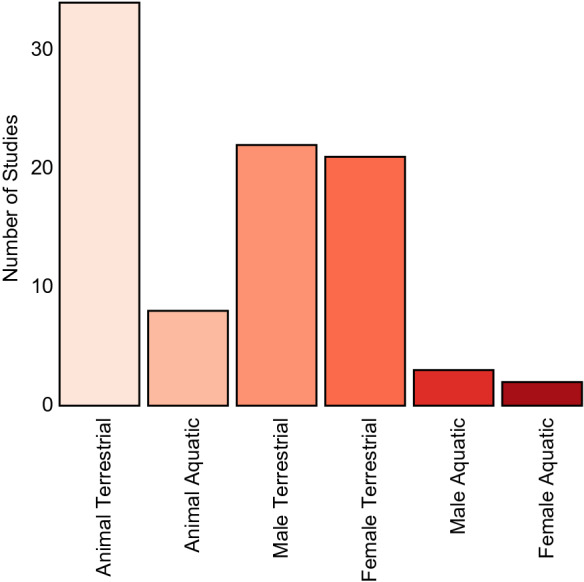
Sex-based differences in animal microbiota are increasingly recognized as of biological importance. While most animal biomass is found in aquatic ecosystems and many water-dwelling species are of high economic and ecological value, biological sex is rarely included as an explanatory variable in studies of the aquatic animal microbiota. In this opinion piece, we argue for greater consideration of host sex in studying the microbiota of aquatic animals, emphasizing the many advancements that this information could provide in the life sciences, from the evolution of sex to aquaculture.
Keywords: Aquatic animals; Microbiome; Sex.
© The Author(s) 2022.
Conflict of interest statement
Conflict of interestThe authors declare no competing interests.
Figures
References
-
- Althoff K, Schütt C, Steffen R, Batel R, Müller WEG. Evidence for a symbiosis between bacteria of the genus Rhodobacter and the marine sponge Halichondria panicea : harbor also for putatively toxic bacteria? Marine Biology. 1998;130:529–536. doi: 10.1007/s002270050273. - DOI
LinkOut - more resources
Full Text Sources