


Potential role of microRNA-503 in Icariin-mediated prevention of high glucose-induced endoplasmic reticulum stress
- PMID: 37664468
- PMCID: PMC10473951
- DOI: 10.4239/wjd.v14.i8.1234
Potential role of microRNA-503 in Icariin-mediated prevention of high glucose-induced endoplasmic reticulum stress
Abstract
Background: Dysregulated microRNA (miRNA) is crucial in the progression of diabetic nephropathy (DN).
Aim: To investigate the potential molecular mechanism of Icariin (ICA) in regulating endoplasmic reticulum (ER) stress-mediated apoptosis in high glucose (HG)-induced primary rat kidney cells (PRKs), with emphasis on the role of miR-503 and sirtuin 4 (SIRT4) in this process.
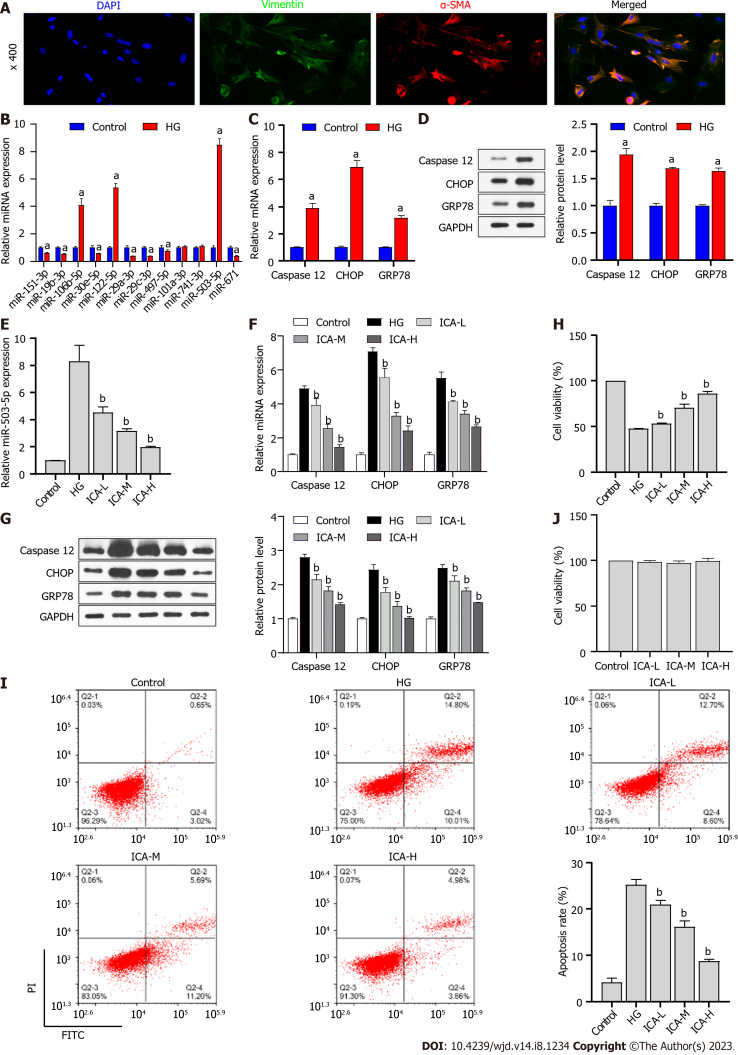
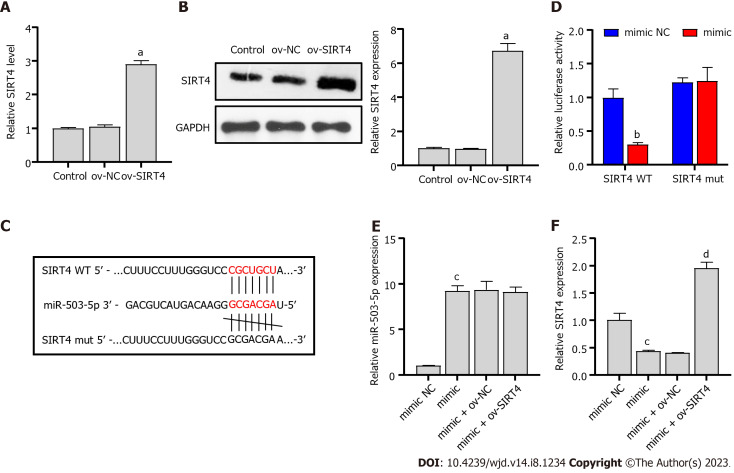
Methods: Single intraperitoneal injection of streptozotocin (65 mg/kg) in Sprague-Dawley rats induce DN in the in vivo hyperglycemic model. Glucose-treated PRKs were used as an in vitro HG model. An immunofluorescence assay identified isolated PRKs. Cell Counting Kit-8 and flow cytometry analyzed the effect of ICA treatment on cell viability and apoptosis, respectively. Real-time quantitative polymerase chain reaction and western blot analyzed the levels of ER stress-related proteins. Dual luciferase analysis of miR-503 binding to downstream SIRT4 was performed.
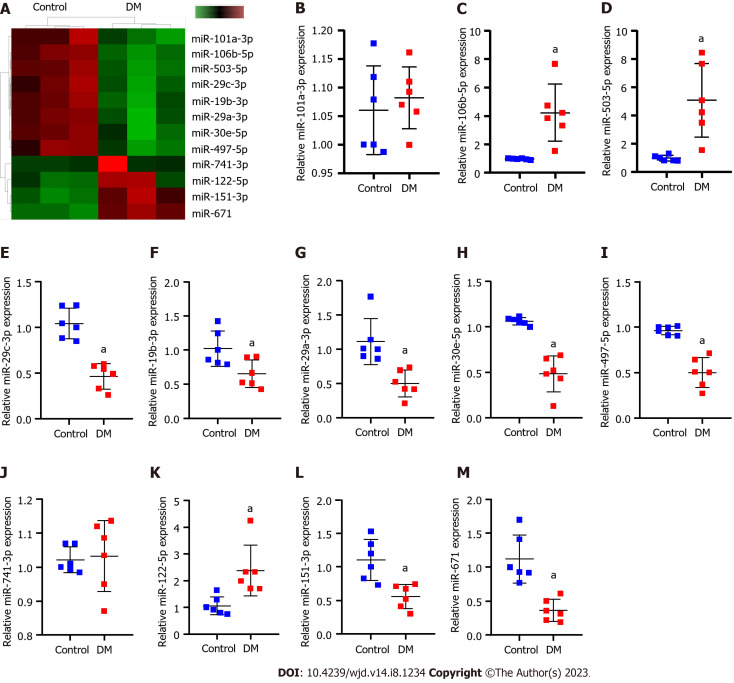
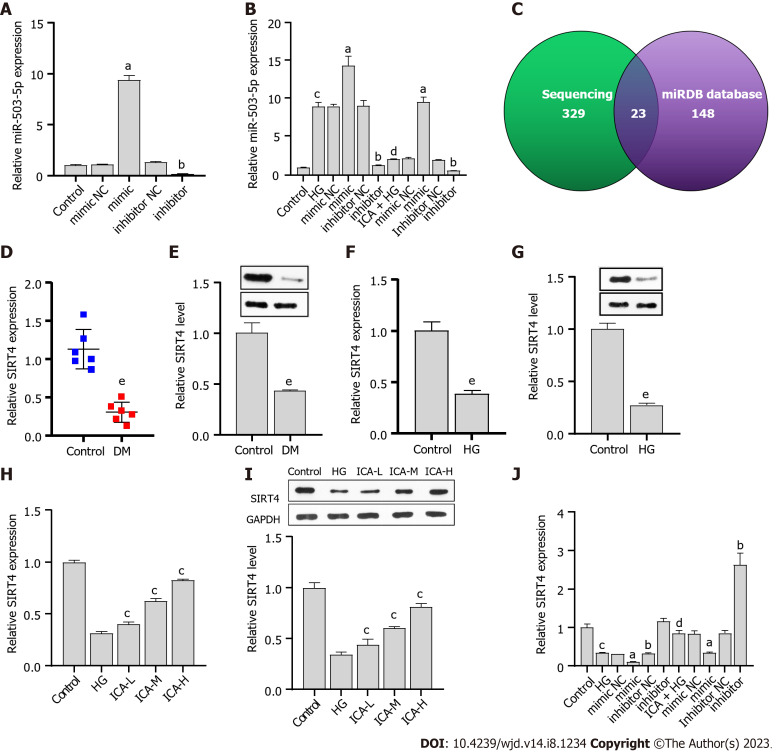
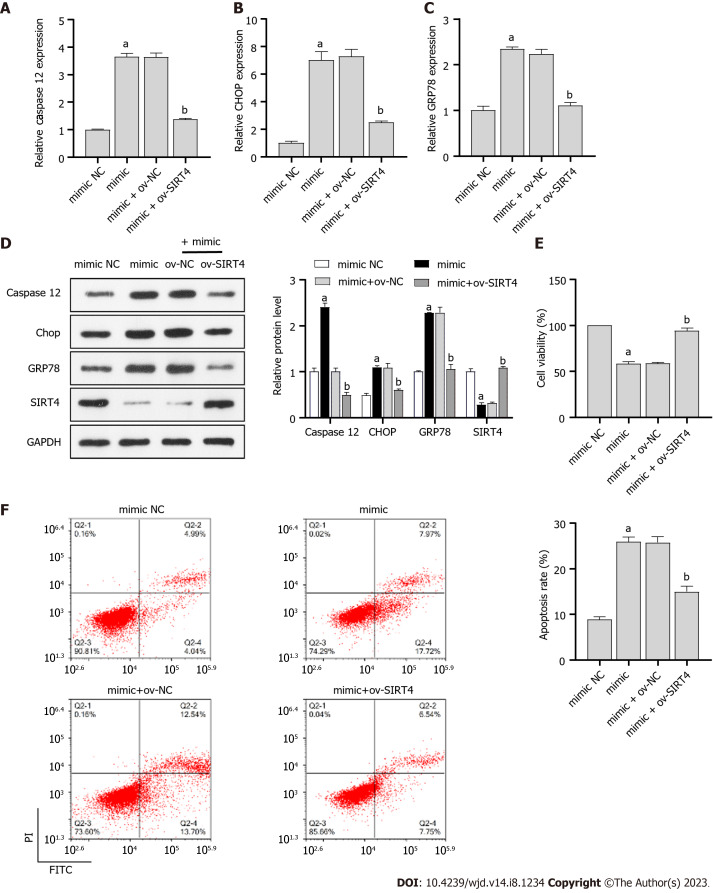
Results: ICA treatment alleviated the upregulated miR-503 expression in vivo (DN) and in vitro (HG). Mechanistically, ICA reduced HG-induced miR-503 overexpression, thereby counteracting its function in downregulating SIRT4 levels. ICA regulated the miR-503/SIRT4 axis and subsequent ER stress to alleviate HG-induced PRKs injury.
Conclusion: ICA reduced HG-mediated inhibition of cell viability, promotion of apoptosis, and ER stress in PRKs. These effects involved regulation of the miR-503/SIRT4 axis. These findings indicate the potential of ICA to treat DN, and implicate miR-503 as a viable target for therapeutic interventions in DN.
Keywords: Diabetic nephropathy; Endoplasmic reticulum stress; Icariin; Kidney damage; MicroRNA-503; Sirtuin 4.
©The Author(s) 2023. Published by Baishideng Publishing Group Inc. All rights reserved.
Conflict of interest statement
Conflict-of-interest statement: The authors have no conflicts of interest to declare.
Figures
References
-
- Glovaci D, Fan W, Wong ND. Epidemiology of Diabetes Mellitus and Cardiovascular Disease. Curr Cardiol Rep. 2019;21:21. - PubMed
-
- Wada T, Mori-Anai K, Kawaguchi Y, Katsumata H, Tsuda H, Iida M, Arakawa K, Jardine MJ. Renal, cardiovascular and safety outcomes of canagliflozin in patients with type 2 diabetes and nephropathy in East and South-East Asian countries: Results from the Canagliflozin and Renal Events in Diabetes with Established Nephropathy Clinical Evaluation Trial. J Diabetes Investig. 2022;13:54–64. - PMC - PubMed
LinkOut - more resources
Full Text Sources
Miscellaneous
