


Examining the perceived impact of the COVID-19 pandemic on cervical cancer screening practices among clinicians practicing in Federally Qualified Health Centers: A mixed methods study
- PMID: 37664989
- PMCID: PMC10476963
- DOI: 10.7554/eLife.86358
Examining the perceived impact of the COVID-19 pandemic on cervical cancer screening practices among clinicians practicing in Federally Qualified Health Centers: A mixed methods study
Abstract
Background: The COVID-19 pandemic led to reductions in cervical cancer screening and colposcopy. Therefore, in this mixed methods study we explored perceived pandemic-related practice changes to cervical cancer screenings in federally qualified health centers (FQHCs).
Methods: Between October 2021 and June 2022, we conducted a national web survey of clinicians (physicians and advanced practice providers) who performed cervical cancer screening in FQHCs in the United States during the post-acute phase of the COVID-19 pandemic, along with a sub-set of qualitative interviews via video conference, to examine perceived changes in cervical cancer screening practices during the pandemic.
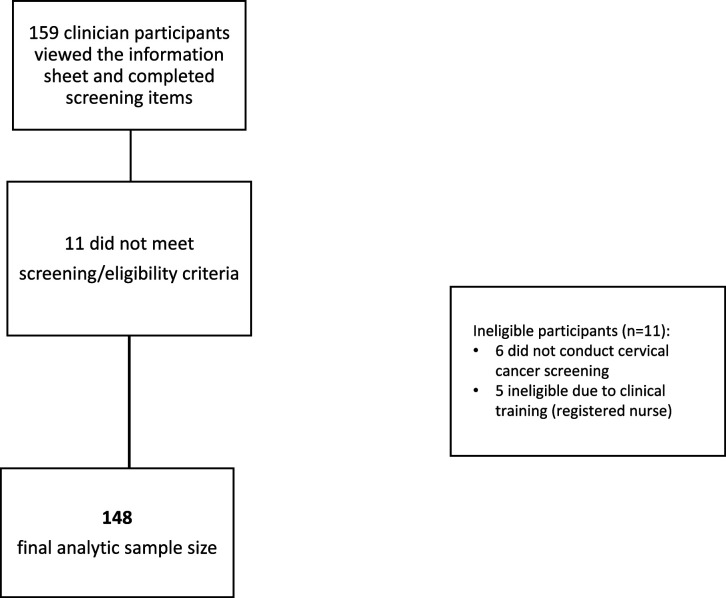
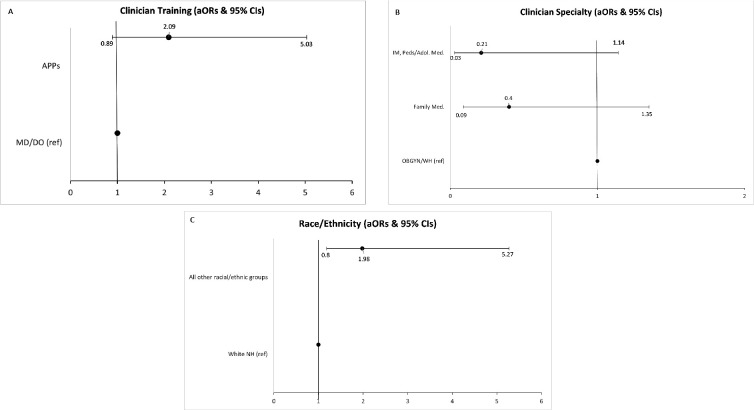
Results: A total of 148 clinicians completed surveys; a subset (n=13) completed qualitative interviews. Most (86%) reported reduced cervical cancer screening early in the pandemic, and 28% reported continued reduction in services at the time of survey completion (October 2021- July 2022). Nearly half (45%) reported staff shortages impacting their ability to screen or track patients. Compared to clinicians in Obstetrics/Gynecology/Women's health, those in family medicine and other specialties more often reported reduced screening compared to pre-pandemic. Most (92%) felt that screening using HPV self-sampling would be very or somewhat helpful to address screening backlogs. Qualitative interviews highlighted the impacts of staff shortages and strategies for improvement.
Conclusions: Findings highlight that in late 2021 and early 2022, many clinicians in FQHCs reported reduced cervical cancer screening and of pandemic-related staffing shortages impacting screening and follow-up. If not addressed, reduced screenings among underserved populations could worsen cervical cancer disparities in the future.
Funding: This study was funded by the American Cancer Society, who had no role in the study's design, conduct, or reporting.
Keywords: COVID-19 pandemic; Human papillomavirus; cervical cancer; epidemiology; federally qualified health center; global health; medicine; screening; viruses.
© 2023, Fuzzell, Lake et al.
Conflict of interest statement
LF, PL, NB, HF, AW, AM, MM, SR, SK, SV, RP No competing interests declared
Figures
Update of
References
-
- AAMC Physician Specialty Data Report. 2022. [June 19, 2023]. https://www.aamc.org/data-reports/workforce/data/active-physicians-sex-s...
