Randomized Controlled Trial
. 2023 Sep 5;330(9):821-831.
doi: 10.1001/jama.2023.14330.

Blood Pressure Management After Endovascular Therapy for Acute Ischemic Stroke: The BEST-II Randomized Clinical Trial

Affiliations
Randomized Controlled Trial

Blood Pressure Management After Endovascular Therapy for Acute Ischemic Stroke: The BEST-II Randomized Clinical Trial

Eva A Mistry et al. JAMA. .

Abstract

Importance: The effects of moderate systolic blood pressure (SBP) lowering after successful recanalization with endovascular therapy for acute ischemic stroke are uncertain.

Objective: To determine the futility of lower SBP targets after endovascular therapy (<140 mm Hg or 160 mm Hg) compared with a higher target (≤180 mm Hg).

Design, setting, and participants: Randomized, open-label, blinded end point, phase 2, futility clinical trial that enrolled 120 patients with acute ischemic stroke who had undergone successful endovascular therapy at 3 US comprehensive stroke centers from January 2020 to March 2022 (final follow-up, June 2022).

Intervention: After undergoing endovascular therapy, participants were randomized to 1 of 3 SBP targets: 40 to less than 140 mm Hg, 40 to less than 160 mm Hg, and 40 to 180 mm Hg or less (guideline recommended) group, initiated within 60 minutes of recanalization and maintained for 24 hours.

Main outcomes and measures: Prespecified multiple primary outcomes for the primary futility analysis were follow-up infarct volume measured at 36 (±12) hours and utility-weighted modified Rankin Scale (mRS) score (range, 0 [worst] to 1 [best]) at 90 (±14) days. Linear regression models were used to test the harm-futility boundaries of a 10-mL increase (slope of 0.5) in the follow-up infarct volume or a 0.10 decrease (slope of -0.005) in the utility-weighted mRS score with each 20-mm Hg SBP target reduction after endovascular therapy (1-sided α = .05). Additional prespecified futility criterion was a less than 25% predicted probability of success for a future 2-group, superiority trial comparing SBP targets of the low- and mid-thresholds with the high-threshold (maximum sample size, 1500 with respect to the utility-weighted mRS score outcome).

Results: Among 120 patients randomized (mean [SD] age, 69.6 [14.5] years; 69 females [58%]), 113 (94.2%) completed the trial. The mean follow-up infarct volume was 32.4 mL (95% CI, 18.0 to 46.7 mL) for the less than 140-mm Hg group, 50.7 mL (95% CI, 33.7 to 67.7 mL), for the less than 160-mm Hg group, and 46.4 mL (95% CI, 24.5 to 68.2 mL) for the 180-mm Hg or less group. The mean utility-weighted mRS score was 0.51 (95% CI, 0.38 to 0.63) for the less than 140-mm Hg group, 0.47 (95% CI, 0.35 to 0.60) for the less than 160-mm Hg group, and 0.58 (95% CI, 0.46 to 0.71) for the high-target group. The slope of the follow-up infarct volume for each mm Hg decrease in the SBP target, adjusted for the baseline Alberta Stroke Program Early CT score, was -0.29 (95% CI, -0.81 to ∞; futility P = .99). The slope of the utility-weighted mRS score for each mm Hg decrease in the SBP target after endovascular therapy, adjusted for baseline utility-weighted mRS score, was -0.0019 (95% CI, -∞ to 0.0017; futility P = .93). Comparing the high-target SBP group with the lower-target groups, the predicted probability of success for a future trial was 25% for the less than 140-mm Hg group and 14% for the 160-mm Hg group.

Conclusions and relevance: Among patients with acute ischemic stroke, lower SBP targets less than either 140 mm Hg or 160 mm Hg after successful endovascular therapy did not meet prespecified criteria for futility compared with an SBP target of 180 mm Hg or less. However, the findings suggested a low probability of benefit from lower SBP targets after endovascular therapy if tested in a future larger trial.

Trial registration: ClinicalTrials.gov Identifier: NCT04116112.


Conflict of interest statement

Conflict of Interest Disclosures: Dr Mistry reported receiving personal fees from RAPID AI and AbbVie outside the submitted work. Dr Froehler reported receiving grants from Genentech and Siemens and personal fees from Medtronic and Balt outside the submitted work. Dr Chitale reported receiving grants from Cerenovus and personal fees Medtronic outside the submitted work and holding a patent. Dr Yeatts reported receiving personal fees from Stroke for editorial services and grants from the National Institutes of Health (NIH) outside the submitted work. Dr Albers reported receiving personal fees from iSchemaView equity and Genentech outside the submitted work. Dr Tolles reported receiving personal fees from Berry Consultants LLC outside the submitted work. Dr Lindsell reported receiving grants to his institution from the NIH, the Department of Defense, and the Centers for Disease Control and Prevention; other support to his institution from Entegrion, Endpoint Health, bioMerieux, AbbVie, and AstraZenec outside the submitted work; and having a patent for risk prediction in sepsis and septic shock issued to Cincinnati Children's Hospital Medical Center. Dr Lewis reported being the senior medical scientist at Berry Consultants LLC. Dr Khatri reported receiving grants from Cerenovus; serving on the scientific advisory boards of Lumosa, Shionogi, Bayer, and Basking Biosciences; and receiving online publication royalties from UpToDate. No other disclosures were reported.

Figures

Figure 1.
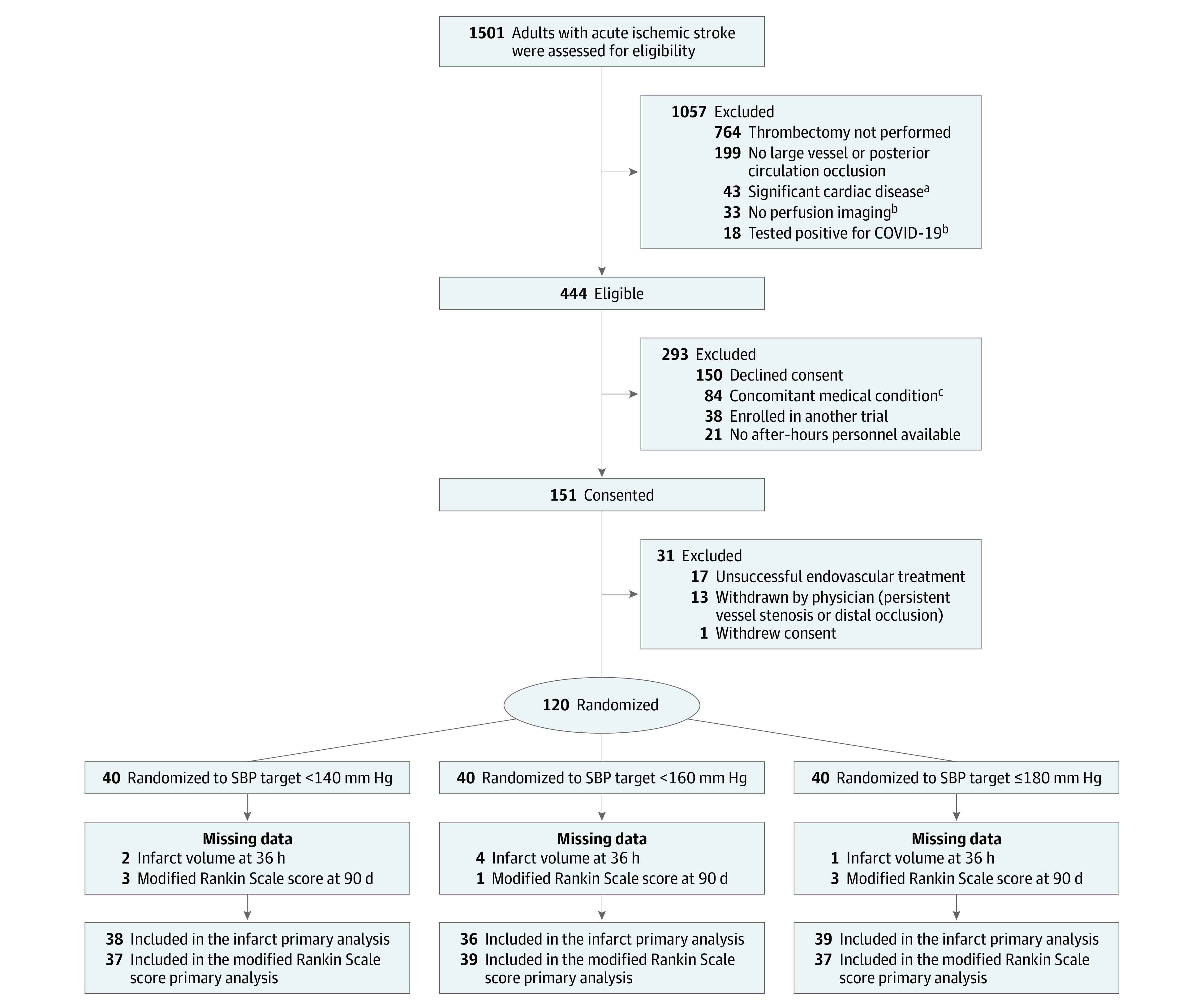
Figure 1.. Flow of Patients Through the BEST-II Trial
aHeart failure with ejection fraction less than 30%, left ventricular assist device, or extracorporeal membrane oxygenation. bCriteria were removed in a subsequent protocol amendment. cConcomitant medical conditions that precluded tight BP management per treating condition. SBP indicates systolic blood pressure.
Figure 2.
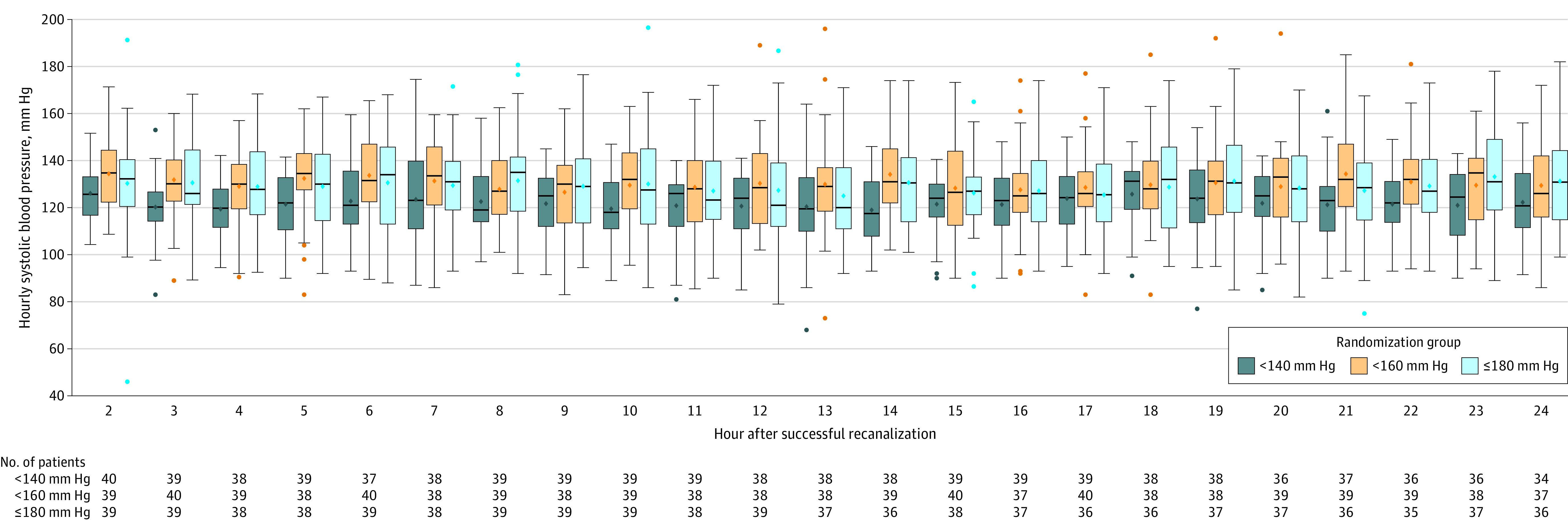
Figure 2.. Distribution of Systolic Blood Pressure After Endovascular Treatment According to Randomization Group
The diamonds indicate means; center bars, medians; boxes, IQRs, and whiskers, highest and lowest values within 1.5 times the IQR for systolic blood pressure from 2 to 24 hours after successful endovascular treatment.
Figure 3.
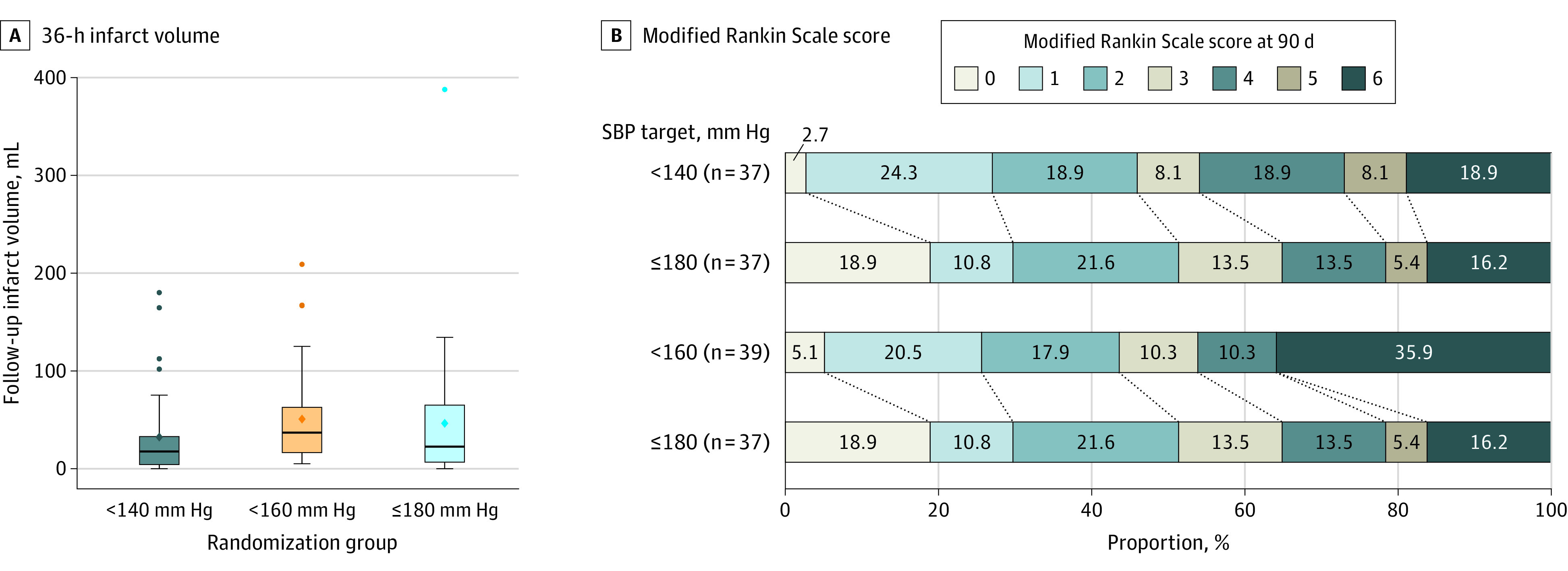
Figure 3.. Distribution of the 36-Hour Infarct Volume and 90-Day Modified Rankin Scale Score
A. Comparative distribution of the 36-hour infarct volume for each target systolic blood pressure group is shown. The mean follow-up infarct volume was 32.4 mL (95% CI, 18.0-46.7 mL) for the less than 140-mm Hg group, 50.7 mL (95% CI, 33.7-67.7 mL) for the less than 160-mm Hg group, and 46.4 mL (95% CI, 24.5-68.2 mL) for the 180-mm Hg or less group. The extreme value in the 180-mm Hg or less group was an older participant with poor collaterals and several risk factors for large infarct volume, which was not attributable to the study treatment per the site investigators. The diamonds indicate means; center bars, medians; boxes, IQRs; and whiskers, highest and lowest values within 1.5 times the IQR. B. Comparative distribution of the 90-day modified Rankin Scale score (mRS) is shown for each target systolic blood pressure group. The mRS score ranges from 0 to 6 (0, no symptoms at all; 1, no significant disability despite symptoms; able to carry out all usual duties and activities; 2, slight disability; unable to carry out all previous activities, but able to look after own affairs without assistance; 3, moderate disability requiring some help but able to walk without assistance; 4, moderately severe disability, unable to walk without assistance and unable to attend to own bodily needs without assistance; 5, severe disability, bedridden, incontinent, and requires constant nursing care and attention; 6, dead. The median 90-day mRS score was 3 (IQR, 1-5) in the less than 140-mm Hg group, 3 (IQR, 1.5-6) in the less than 160-mm Hg group, and 2 (IQR, 1-4) in the 180-mm Hg or less group.

Comment in

References

    1. Goyal M, Menon BK, van Zwam WH, et al. ; HERMES collaborators . Endovascular thrombectomy after large-vessel ischaemic stroke: a meta-analysis of individual patient data from five randomised trials. Lancet. 2016;387(10029):1723-1731. doi:10.1016/S0140-6736(16)00163-X - DOI - PubMed
    1. Albers GW, Marks MP, Kemp S, et al. ; DEFUSE 3 Investigators . Thrombectomy for stroke at 6 to 16 hours with selection by perfusion imaging. N Engl J Med. 2018;378(8):708-718. doi:10.1056/NEJMoa1713973 - DOI - PMC - PubMed
    1. Nogueira RG, Jadhav AP, Haussen DC, et al. ; DAWN Trial Investigators . Thrombectomy 6 to 24 hours after stroke with a mismatch between deficit and infarct. N Engl J Med. 2018;378(1):11-21. doi:10.1056/NEJMoa1706442 - DOI - PubMed
    1. Dargazanli C, Consoli A, Barral M, et al. . Impact of Modified TICI 3 versus Modified TICI 2b reperfusion score to predict good outcome following endovascular therapy. AJNR Am J Neuroradiol. 2017;38(1):90-96. doi:10.3174/ajnr.A4968 - DOI - PMC - PubMed
    1. LeCouffe NE, Kappelhof M, Treurniet KM, et al. ; MR CLEAN Registry Investigators* . 2B, 2C, or 3: what should be the angiographic target for endovascular treatment in ischemic stroke? Stroke. 2020;51(6):1790-1796. doi:10.1161/STROKEAHA.119.028891 - DOI - PubMed

Publication types

MeSH terms

Substances

Associated data