


Loss of hepatic FTCD promotes lipid accumulation and hepatocarcinogenesis by upregulating PPARγ and SREBP2
- PMID: 37675273
- PMCID: PMC10477690
- DOI: 10.1016/j.jhepr.2023.100843
Loss of hepatic FTCD promotes lipid accumulation and hepatocarcinogenesis by upregulating PPARγ and SREBP2
Abstract
Background & aims: Exploiting key regulators responsible for hepatocarcinogenesis is of great importance for the prevention and treatment of hepatocellular carcinoma (HCC). However, the key players contributing to hepatocarcinogenesis remain poorly understood. We explored the molecular mechanisms underlying the carcinogenesis and progression of HCC for the development of potential new therapeutic targets.
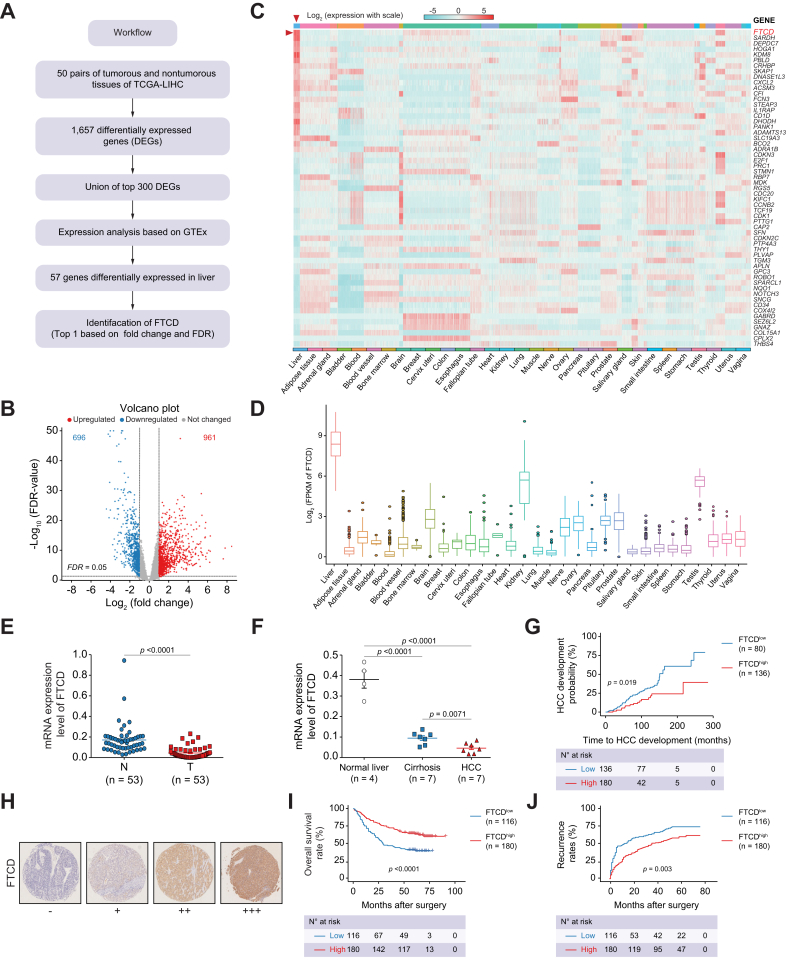
Methods: The Cancer Genome Atlas-Liver Hepatocellular Carcinoma (TCGA-LIHC) and Genotype-Tissue Expression (GTEx) databases were used to identify genes with enhanced expression in the liver associated with HCC progression. A murine liver-specific Ftcd knockout (Ftcd-LKO) model was generated to investigate the role of formimidoyltransferase cyclodeaminase (FTCD) in HCC. Multi-omics analysis of transcriptomics, metabolomics, and proteomics data were applied to further analyse the molecular effects of FTCD expression on hepatocarcinogenesis. Functional and biochemical studies were performed to determine the significance of loss of FTCD expression and the therapeutic potential of Akt inhibitors in FTCD-deficient cancer cells.
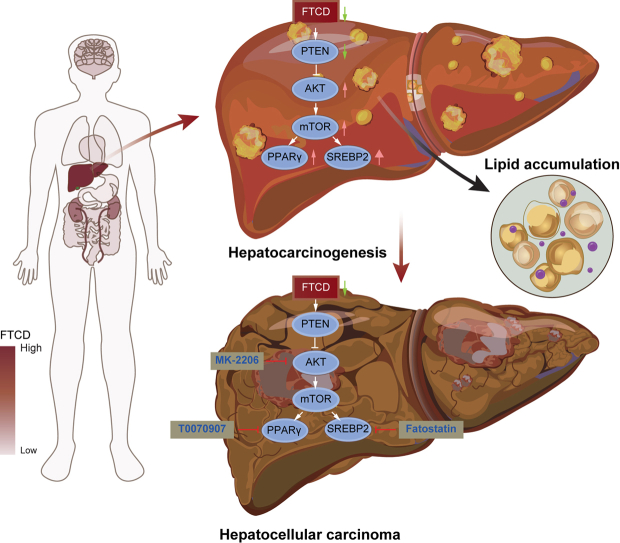
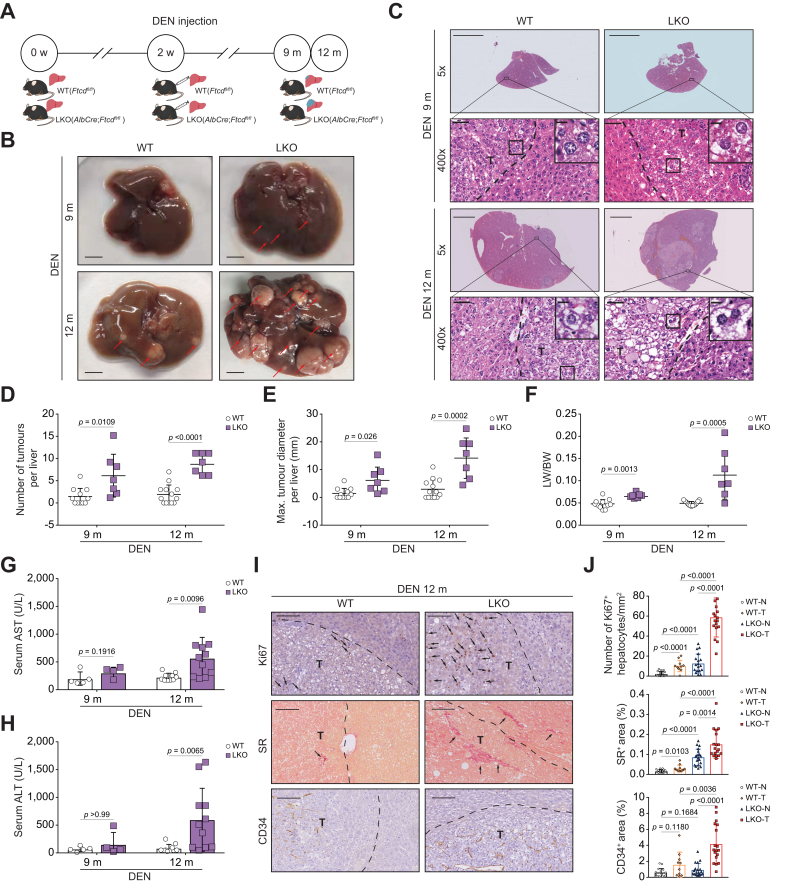
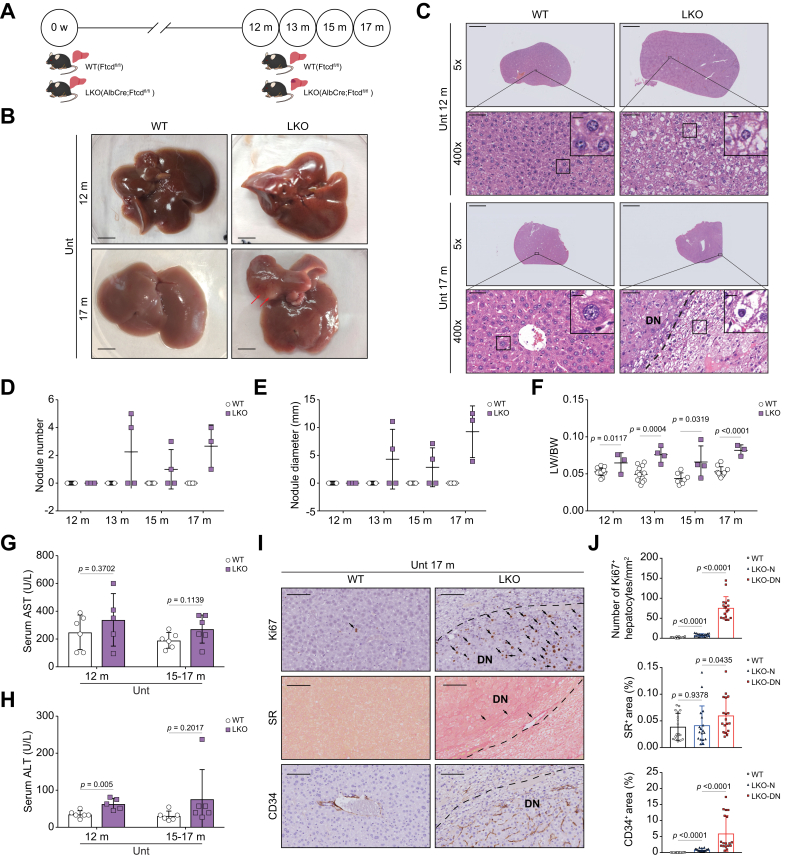
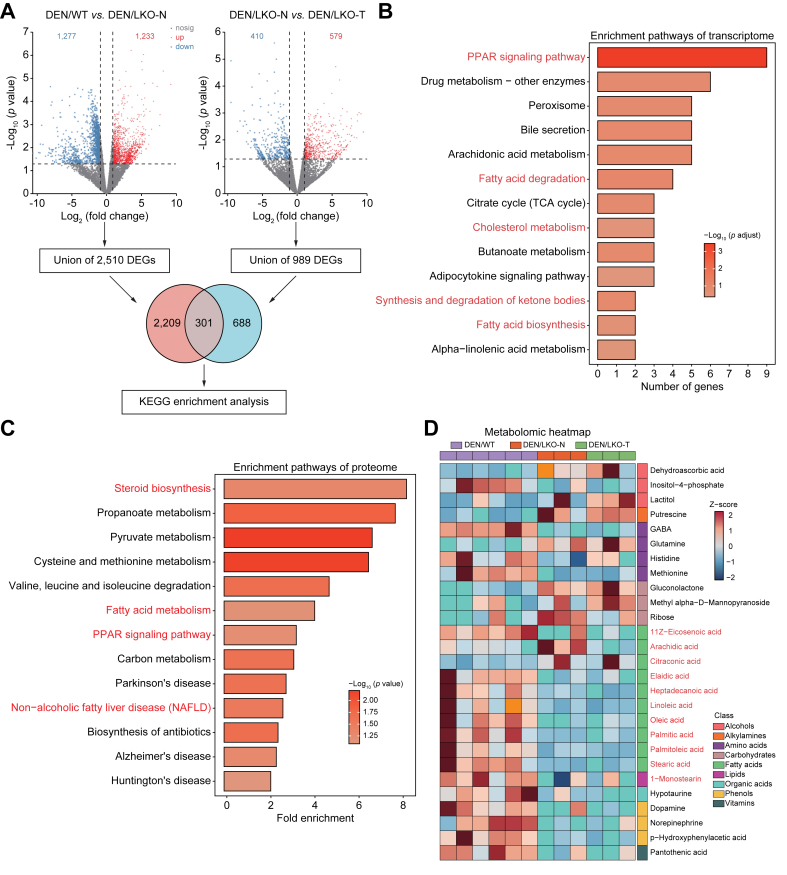
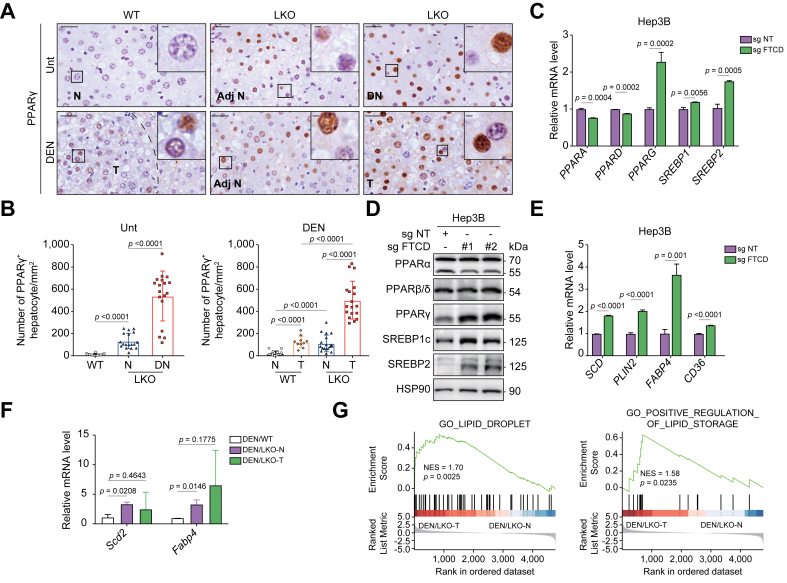
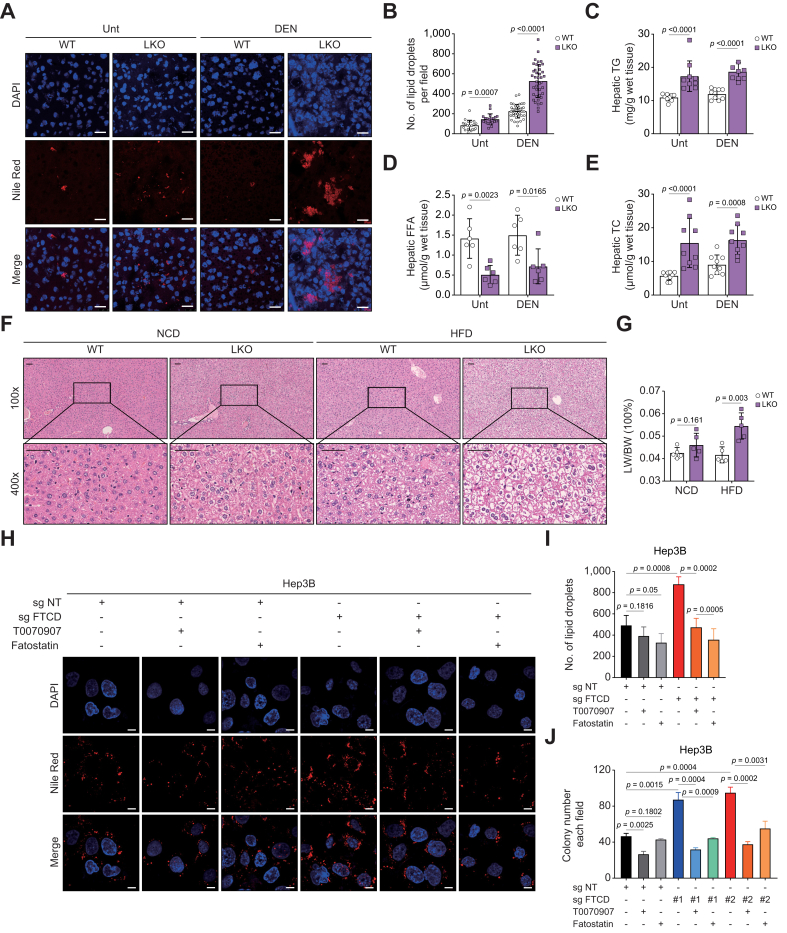
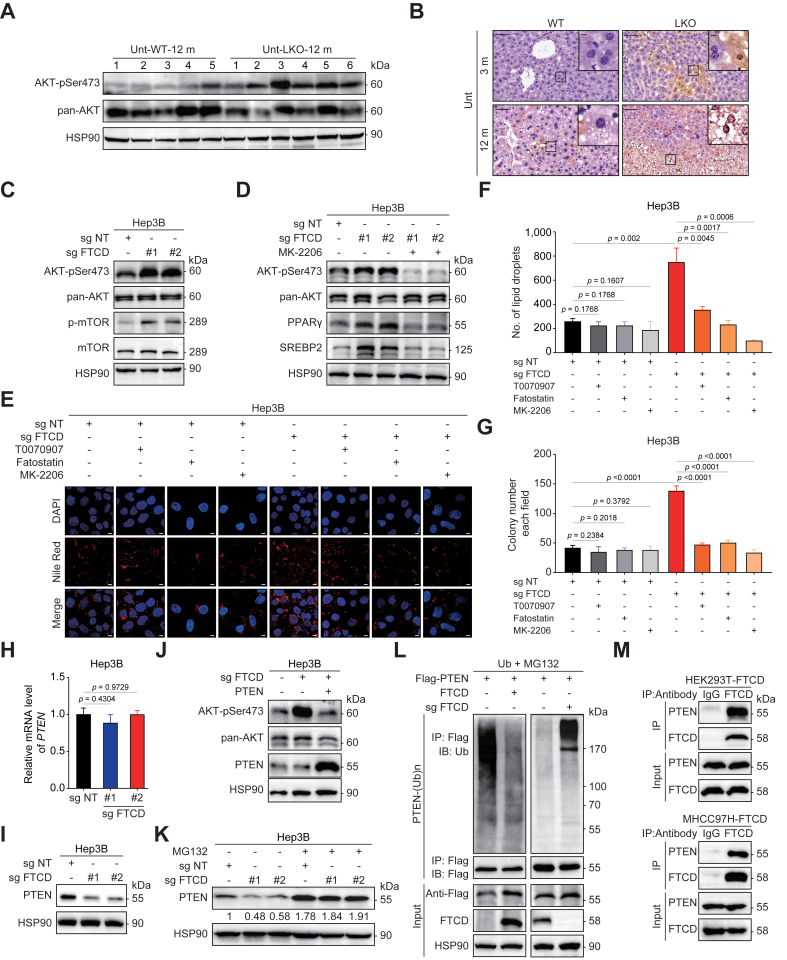
Results: FTCD is highly expressed in the liver but significantly downregulated in HCC. Patients with HCC and low levels of FTCD exhibited worse prognosis, and patients with liver cirrhosis and low FTCD levels exhibited a notable higher probability of developing HCC. Hepatocyte-specific knockout of FTCD promoted both chronic diethylnitrosamine-induced and spontaneous hepatocarcinogenesis in mice. Multi-omics analysis showed that loss of FTCD affected fatty acid and cholesterol metabolism in hepatocarcinogenesis. Mechanistically, loss of FTCD upregulated peroxisome proliferator-activated receptor (PPAR)γ and sterol regulatory element-binding protein 2 (SREBP2) by regulating the PTEN/Akt/mTOR signalling axis, leading to lipid accumulation and hepatocarcinogenesis.
Conclusions: Taken together, we identified a FTCD-regulated lipid metabolic mechanism involving PPARγ and SREBP2 signaling in hepatocarcinogenesis and provide a rationale for therapeutically targeting of HCC driven by downregulation of FTCD.
Impact and implications: Exploiting key molecules responsible for hepatocarcinogenesis is significant for the prevention and treatment of HCC. Herein, we identified formimidoyltransferase cyclodeaminase (FTCD) as the top enhanced gene, which could serve as a predictive and prognostic marker for patients with HCC. We generated and characterised the first Ftcd liver-specific knockout murine model. We found loss of FTCD expression upregulated peroxisome proliferator-activated receptor (PPAR)γ and sterol regulatory element-binding protein 2 (SREBP2) by regulating the PTEN/Akt/mTOR signalling axis, leading to lipid accumulation and hepatocarcinogenesis, and provided a rationale for therapeutic targeting of HCC driven by downregulation of FTCD.
Keywords: Formimidoyltransferase cyclodeaminase; Hepatocarcinogenesis; Lipid metabolism; Tumour suppressor.
© 2023 The Author(s).
Conflict of interest statement
All authors declare no conflicts of interest. Please refer to the accompanying ICMJE disclosure forms for further details.
Figures
References
-
- Sung H., Ferlay J., Siegel R.L., Laversanne M., Soerjomataram I., Jemal A., et al. Global Cancer Statistics 2020: GLOBOCAN estimates of incidence and mortality worldwide for 36 cancers in 185 countries. CA Cancer J Clin. 2021;71:209–249. - PubMed
-
- El-Serag H.B., Rudolph K.L. Hepatocellular carcinoma: epidemiology and molecular carcinogenesis. Gastroenterology. 2007;132:2557–2576. - PubMed
-
- Llovet J.M., Ricci S., Mazzaferro V., Hilgard P., Gane E., Blanc J.F., et al. Sorafenib in advanced hepatocellular carcinoma. N Engl J Med. 2008;359:378–390. - PubMed
-
- Llovet J.M., Ricci S., Mazzaferro V., Hilgard P., Gane E., Blanc J.F., et al. Lenvatinib versus sorafenib in first-line treatment of patients with unresectable hepatocellular carcinoma: a randomised phase 3 non-inferiority trial. Lancet. 2018;391:1163–1173. - PubMed
LinkOut - more resources
Full Text Sources
Research Materials
Miscellaneous
