The clinical significance and application of the peri-implant phenotype in dental implant surgery: a narrative review
- PMID: 37675312
- PMCID: PMC10477659
- DOI: 10.21037/atm-23-1752
The clinical significance and application of the peri-implant phenotype in dental implant surgery: a narrative review
Abstract
Background and objective: In recent years, the concept of the peri-implant phenotype has become a new standard for the clinical evaluation of the soft and hard tissues surrounding dental implants. Improving this phenotype enhances the likelihood of achieving long-term favorable results and is a necessary consideration during implant planning. Stable peri-implant tissue support is also crucial for the functional and aesthetic value of implant restoration. Herein, the authors review the clinical significance of the peri-implant phenotype and assess the timing of treatment strategies for improving peri-implant phenotype elements.
Methods: A literature search was performed to retrieve papers on peri-implant tissue management and clinical outcomes published up to November 24th, 2022 in PubMed, Web of Science, EMBASE, and Scopus.
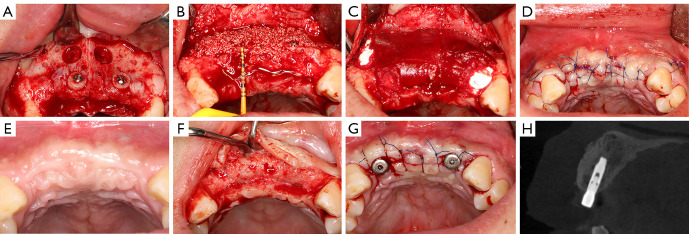
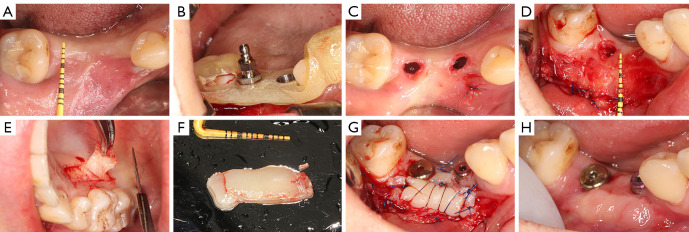
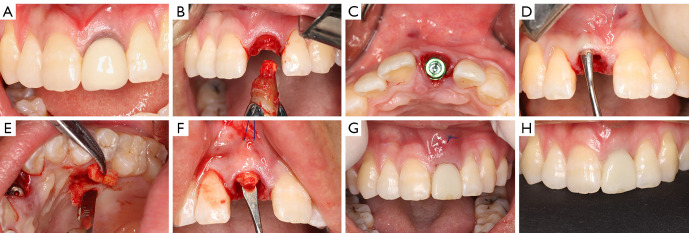
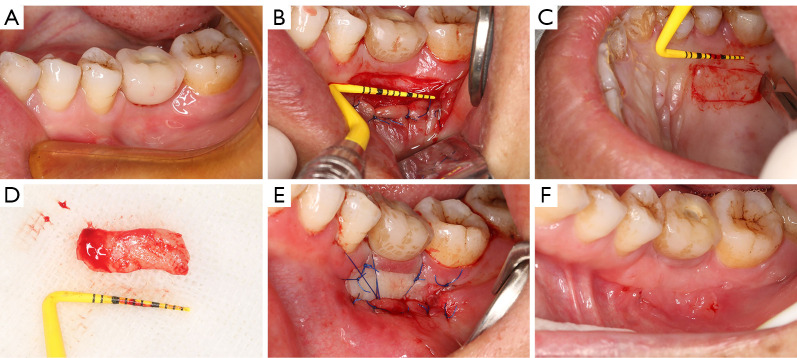
Key content and findings: The optimal time to improve peri-implant bone thickness (PBT) is with augmentation procedures before implant surgery or at the same time as first-stage surgery. Similarly, issues associated with keratinized mucosa width (KMW) and mucosal thickness (MT) should be addressed before final restoration. The establishment of supracrestal tissue height (STH) depends on the MT and implant depth of the patient. Furthermore, special attention should be paid to the effect of the peri-implant phenotype on the prognosis of immediate implant placement in the aesthetic zone.
Conclusions: The long-term success of implant restoration depends on careful planning that considers appropriate interventions for improving the peri-implant phenotype at different stages of treatment to reduce iatrogenic variables.
Keywords: Peri-implant phenotype; implant restoration; surgical procedures; timing; tissue grafts.
2023 Annals of Translational Medicine. All rights reserved.
Conflict of interest statement
Conflicts of Interest: All authors have completed the ICMJE uniform disclosure form (available at https://atm.amegroups.com/article/view/10.21037/atm-23-1752/coif). The authors have no conflicts of interest to declare.
Figures





References
-
- Jepsen S, Caton JG, Albandar JM, et al. Periodontal manifestations of systemic diseases and developmental and acquired conditions: Consensus report of workgroup 3 of the 2017 World Workshop on the Classification of Periodontal and Peri-Implant Diseases and Conditions. J Periodontol 2018;89 Suppl 1:S237-48. 10.1002/JPER.17-0733 - DOI - PubMed
Publication types
LinkOut - more resources
Full Text Sources