


Small interfering RNAs in the management of human osteoporosis
- PMID: 37675799
- PMCID: PMC10788844
- DOI: 10.1093/bmb/ldad023
Small interfering RNAs in the management of human osteoporosis
Abstract
Background: Osteoporosis results in reduced bone mass and consequent bone fragility. Small interfering RNAs (siRNAs) can be used for therapeutic purposes, as molecular targets or as useful markers to test new therapies.
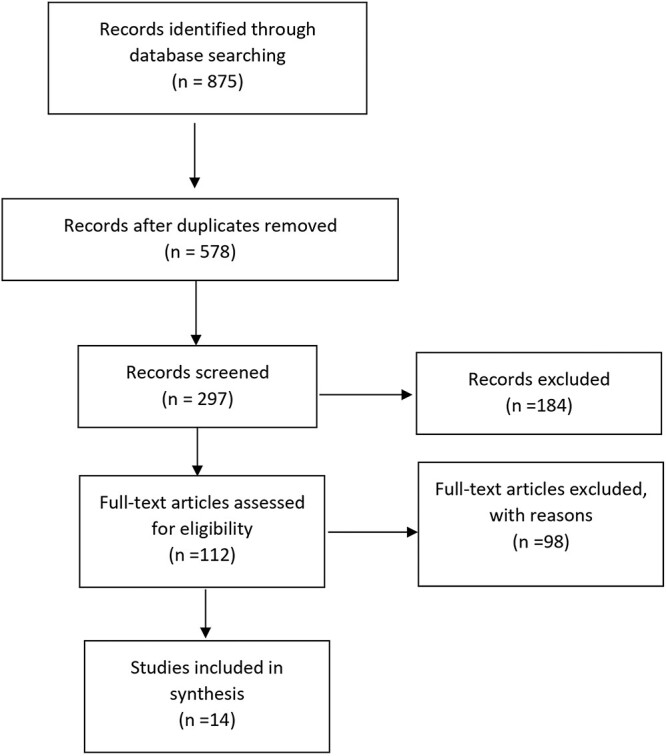
Sources of data: A systematic search of different databases to May 2023 was performed to define the role of siRNAs in osteoporosis therapy. Fourteen suitable studies were identified.
Areas of agreement: SiRNAs may be useful in studying metabolic processes in osteoporosis and identify possible therapeutic targets for novel drug therapies.
Areas of controversy: The metabolic processes of osteoporosis are regulated by many genes and cytokines that can be targeted by siRNAs. However, it is not easy to predict whether the in vitro responses of the studied siRNAs and drugs are applicable in vivo.
Growing points: Metabolic processes can be affected by the effect of gene dysregulation mediated by siRNAs on various growth factors.
Areas timely for developing research: Despite the predictability of pharmacological response of siRNA in vitro, similar responses cannot be expected in vivo.
Keywords: RNA interference; RNA silencing; osteoporosis; osteoporosis therapy; short interfering RNA; small interfering RNA.
© The Author(s) 2023. Published by Oxford University Press. All rights reserved. For Permissions, please email: journals.permissions@oup.com.
Conflict of interest statement
Authors declare that they have no conflict of interest.
Figures
References
Publication types
MeSH terms
Substances
LinkOut - more resources
Full Text Sources
Medical
Research Materials
