


Identification of phytochemical, antioxidant, anticancer and antimicrobial potential of Calotropis procera leaf aqueous extract
- PMID: 37679486
- PMCID: PMC10485245
- DOI: 10.1038/s41598-023-42086-1
Identification of phytochemical, antioxidant, anticancer and antimicrobial potential of Calotropis procera leaf aqueous extract
Abstract
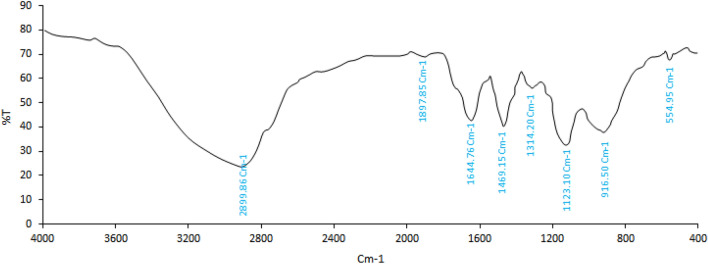
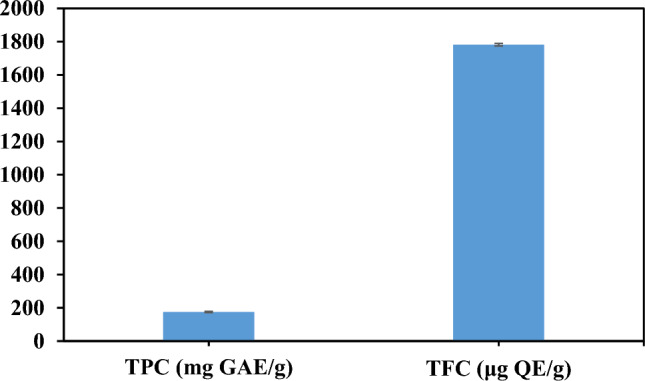
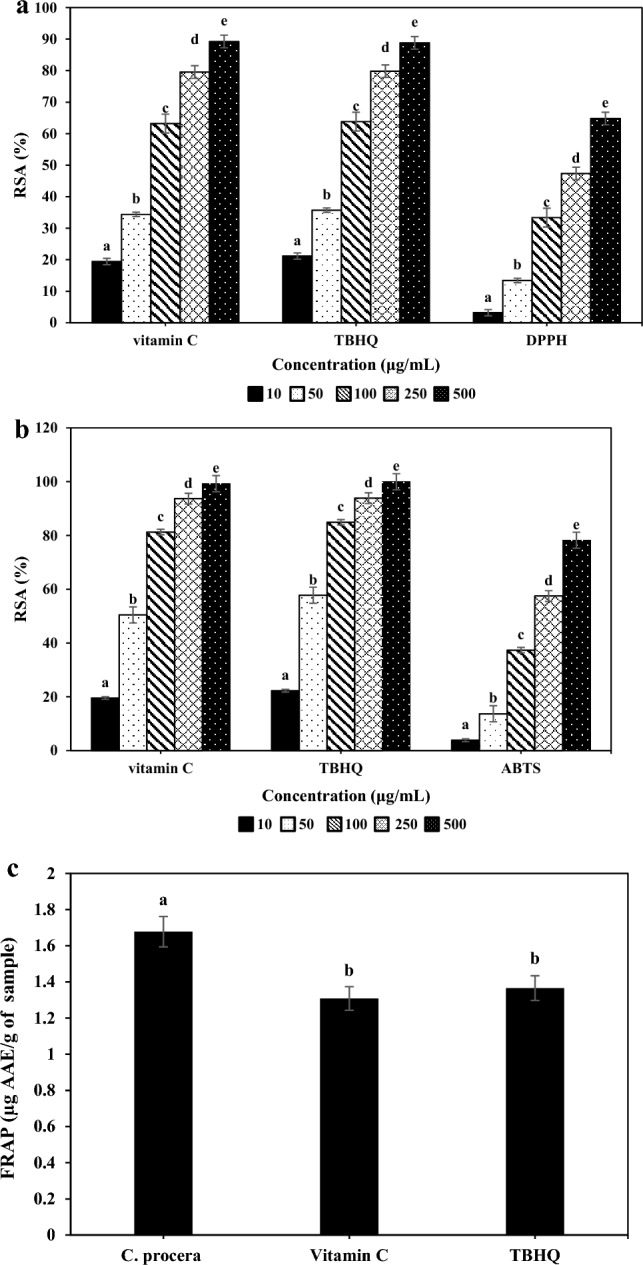
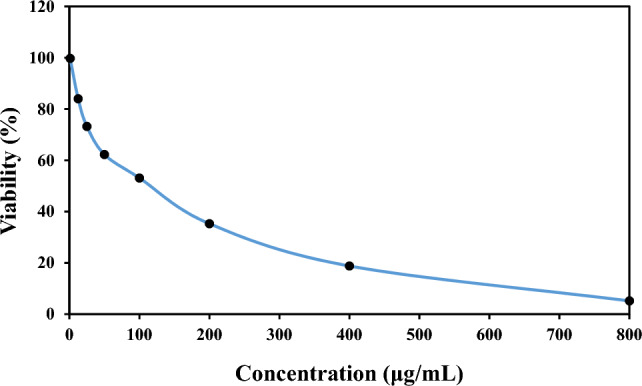
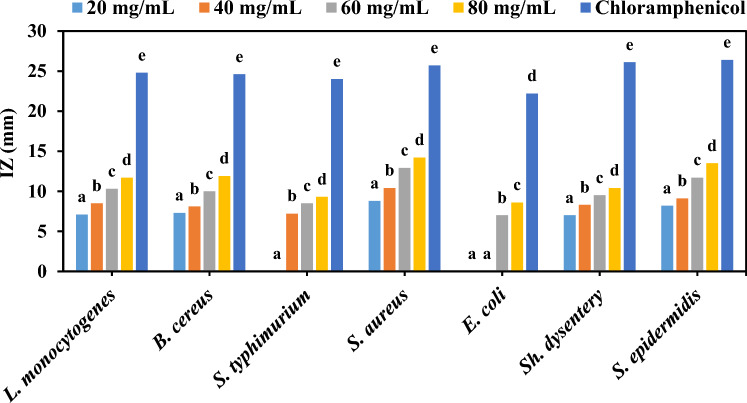
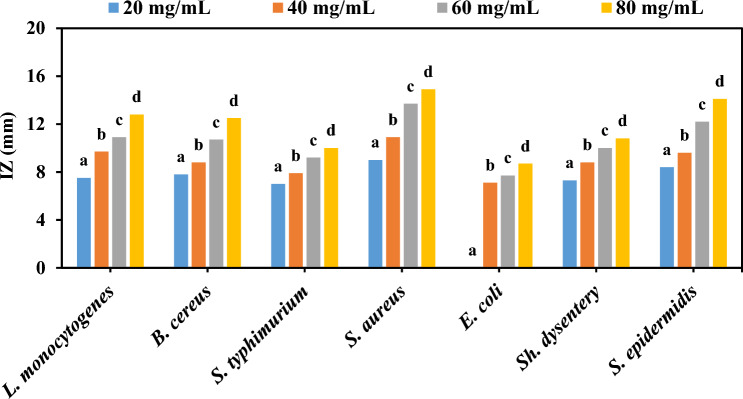
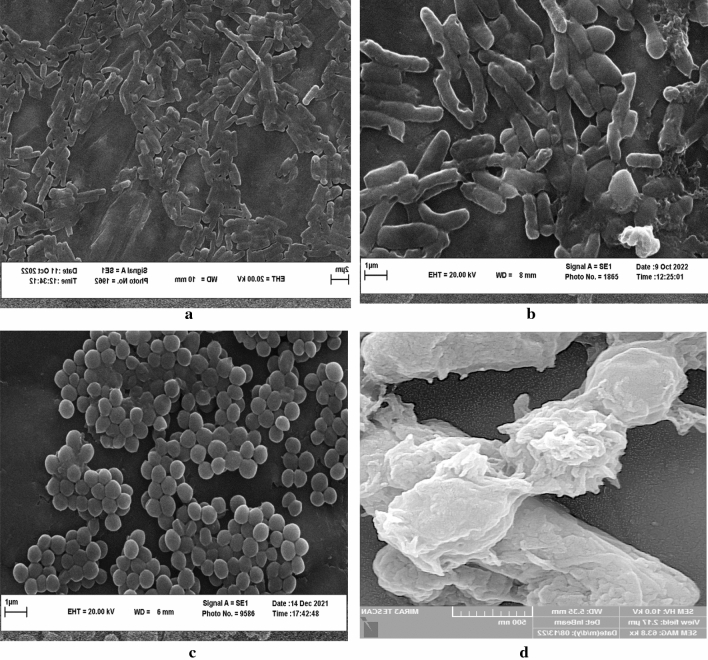
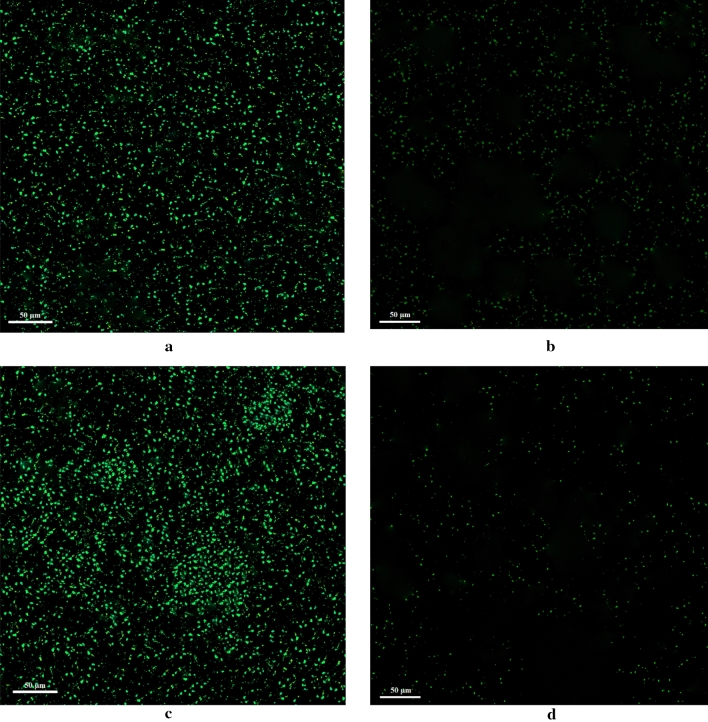
Since the dawn of civilization, people have turned to plants as a safe and efficient form of treatment for a variety of diseases. It has long been known that Calotropis procera has the potential to treat a number of diseases. In this study, the C. procera leaf aqueous extract was obtained using the maceration method, and p-coumaric was found to be the main compound. The extract was rich in phenols (174.82 mg gallic acid equivalent/g) and flavonoids (1781.7 µg quercetin equivalent/g). The extract had high antioxidant properties, as indicated by the IC50 values obtained for 2,2-diphenyl-1-picrylhydrazyl (DPPH) (366.33 μg/mL) and 2,2'-azino-bis (3-ethylbenzothiazoline-6-sulfonic acid (ABTS) (169.04 μg/mL), as well as the ferric ions reducing antioxidant power (FRAP) (1.67 μg ascorbic acid equivalent/g of the extract). The cytotoxicity of the extract was evaluated against the survival of HT 29 cells, and the IC50 was found to be 236.87 μg/mL. The most resistant and sensitive strains to the extract were Escherichia coli and Staphylococcus aureus, respectively. The morphological changes of these strains were demonstrated through scanning electron microscopy and confocal laser scanning microscopy. The C. procera extract could be therefore used as an antioxidant, antimicrobial, and anticancer agent.
© 2023. Springer Nature Limited.
Conflict of interest statement
The authors declare no competing interests.
Figures
References
-
- Gholamshahi S, Vakili MA, Shahdadi F, Salehi A. Comparison of total phenols and antiradical activity of flower, leaf, fruit and latex extracts of milkweed (Calotropis procera) from Jiroft and Bam cities. Int. J. Biosci. 2014;4:159–164.
-
- Al Sulaibi MA, Thiemann C, Thiemann T. Chemical constituents and uses of Calotropis procera and Calotropis gigantean: A review (Part I–the plants as material and energy resources) Open Chem. J. 2020;7:1–15.
-
- Quazi S, Mathur K, Arora S, Wing P. Calotropis procera: An overview of its phytochemistry and pharmacology. Indian J. Drugs. 2013;1:63–69.
-
- Nenaah G. Antimicrobial activity of Calotropis procera Ait. (Asclepiadaceae) and isolation of four flavonoid glycosides as the active constituents. World J. Microbiol. Biotechnol. 2013;29:1255–1262. - PubMed
MeSH terms
Substances
LinkOut - more resources
Full Text Sources
Miscellaneous
