


Perspectives on Saponins: Food Functionality and Applications
- PMID: 37686341
- PMCID: PMC10487995
- DOI: 10.3390/ijms241713538
Perspectives on Saponins: Food Functionality and Applications
Abstract
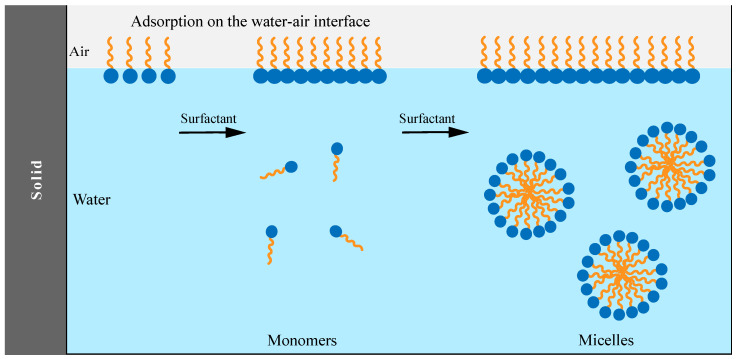
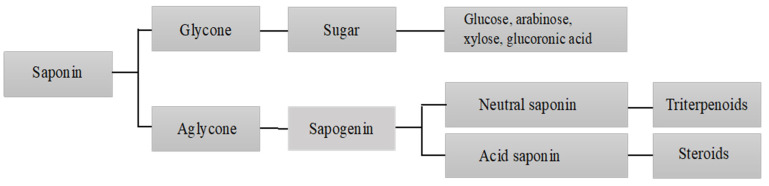
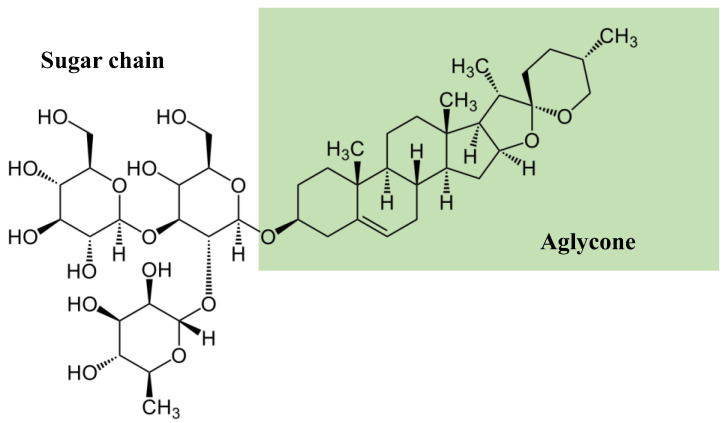
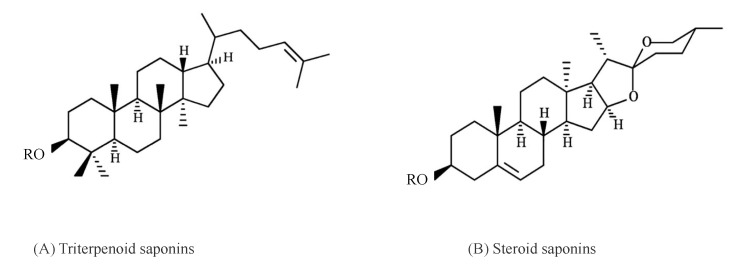
Saponins are a diverse group of naturally occurring plant secondary metabolites present in a wide range of foods ranging from grains, pulses, and green leaves to sea creatures. They consist of a hydrophilic sugar moiety linked to a lipophilic aglycone, resulting in an amphiphilic nature and unique functional properties. Their amphiphilic structures enable saponins to exhibit surface-active properties, resulting in stable foams and complexes with various molecules. In the context of food applications, saponins are utilized as natural emulsifiers, foaming agents, and stabilizers. They contribute to texture and stability in food products and have potential health benefits, including cholesterol-lowering and anticancer effects. Saponins possess additional bioactivities that make them valuable in the pharmaceutical industry as anti-inflammatory, antimicrobial, antiviral, and antiparasitic agents to name a few. Saponins can demonstrate cytotoxic activity against cancer cell lines and can also act as adjuvants, enhancing the immune response to vaccines. Their ability to form stable complexes with drugs further expands their potential in drug delivery systems. However, challenges such as bitterness, cytotoxicity, and instability under certain conditions need to be addressed for effective utilization of saponins in foods and related applications. In this paper, we have reviewed the chemistry, functionality, and application aspects of saponins from various plant sources, and have summarized the regulatory aspects of the food-based application of quillaja saponins. Further research to explore the full potential of saponins in improving food quality and human health has been suggested. It is expected that this article will be a useful resource for researchers in food, feed, pharmaceuticals, and material science.
Keywords: emulsifiers; foaming agents; food functionality; plant extract; saponins.
Conflict of interest statement
The authors declare no conflict of interest.
Figures
References
-
- Kregiel D., Berlowska J., Witonska I., Antolak H., Proestos C., Babic M., Babic L., Zhang B. Saponin-based, biological-active surfactants from plants. In: Najjar R., editor. Application and Characterization of Surfactants. Volume 6. Intech Open; Rijeka, Croatia: 2017. pp. 184–205.
-
- Netala V.R., Ghosh S.B., Bobbu P., Anitha D., Tartte V. Triterpenoid saponins: A review on biosynthesis, Applications and mechanism of their action. Int. J. Pharm. Pharm. Sci. 2015;7:24–28.
-
- Mohan V.R., Tresina P.S., Daffodil E.D. Antinutritional Factors in Legume Seeds: Characteristics and Determination. In: Caballero B., Finglas P.M., Toldrá F., editors. Encyclopedia of Food and Health. Academic Press; Oxford, UK: 2016. pp. 211–220.
-
- Milgate J., Roberts D.C.K. The nutritional & biological significance of saponins. Nutr. Res. 1995;15:1223–1249. doi: 10.1016/0271-5317(95)00081-S. - DOI
Publication types
MeSH terms
Substances
LinkOut - more resources
Full Text Sources
