. 2023 Oct;30(10):1571-1581.
doi: 10.1038/s41594-023-01093-6. Epub 2023 Sep 11.

Nucleosome density shapes kilobase-scale regulation by a mammalian chromatin remodeler

Affiliations

Nucleosome density shapes kilobase-scale regulation by a mammalian chromatin remodeler

Nour J Abdulhay et al. Nat Struct Mol Biol. 2023 Oct.

Abstract

Nearly all essential nuclear processes act on DNA packaged into arrays of nucleosomes. However, our understanding of how these processes (for example, DNA replication, RNA transcription, chromatin extrusion and nucleosome remodeling) occur on individual chromatin arrays remains unresolved. Here, to address this deficit, we present SAMOSA-ChAAT: a massively multiplex single-molecule footprinting approach to map the primary structure of individual, reconstituted chromatin templates subject to virtually any chromatin-associated reaction. We apply this method to distinguish between competing models for chromatin remodeling by the essential imitation switch (ISWI) ATPase SNF2h: nucleosome-density-dependent spacing versus fixed-linker-length nucleosome clamping. First, we perform in vivo single-molecule nucleosome footprinting in murine embryonic stem cells, to discover that ISWI-catalyzed nucleosome spacing correlates with the underlying nucleosome density of specific epigenomic domains. To establish causality, we apply SAMOSA-ChAAT to quantify the activities of ISWI ATPase SNF2h and its parent complex ACF on reconstituted nucleosomal arrays of varying nucleosome density, at single-molecule resolution. We demonstrate that ISWI remodelers operate as density-dependent, length-sensing nucleosome sliders, whose ability to program DNA accessibility is dictated by single-molecule nucleosome density. We propose that the long-observed, context-specific regulatory effects of ISWI complexes can be explained in part by the sensing of nucleosome density within epigenomic domains. More generally, our approach promises molecule-precise views of the essential processes that shape nuclear physiology.


Conflict of interest statement

The authors declare no competing interests.

Figures
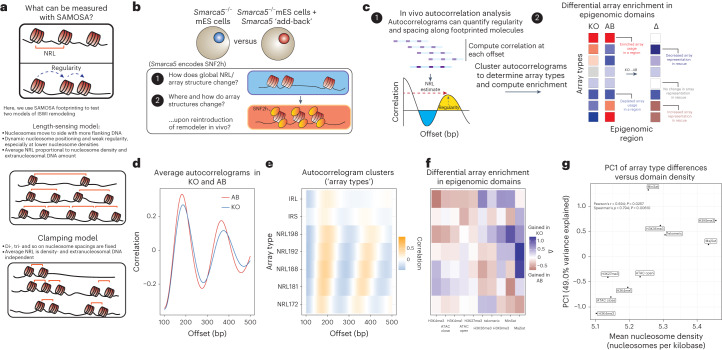
Fig. 1
Fig. 1. Measuring structural consequences of SNF2h rescue in mES cells at the resolution of single nucleosome arrays.
a, Schematic overview of the structural features of nucleosome arrays measurable using the SAMOSA approach. We aimed to use SAMOSA to distinguish between two possible models of remodeling by ISWI-family, nucleosome-sliding remodelers. b, Experimental design of our in vivo footprinting experiment, wherein we footprint mES cells devoid of the SNF2h ISWI ATPase subunit (KO cells), and cells where the SNF2h ATPase has been reintroduced through cDNA overexpression (AB cells). We then ask how NRLs on individual fibers change across epigenomic domains. c, Schematic of our analytical pipeline, where we calculate single-molecule autocorrelations (left), which effectively measure the NRL and regularity of individual footprinted molecules, and then perform Leiden clustering and differential enrichment analysis (right) to determine how the reintroduction of SNF2h impacts the distribution of arrays observed across specific epigenomic domains. d, Average single-molecule autocorrelograms for AB (red) and KO (blue) samples. AB cells have an NRL estimate of 182 bp, and KO cells have an NRL estimate of 187 bp. e, Average single-molecule autocorrelograms following Leiden clustering of individual molecules. We observe seven different array types, ranging from NRL172 to NRL198, as well as two irregular array types we term IRL and IRS. f, Differential array enrichment across ten different epigenomic domains; red indicates gained array type usage in AB cells, and blue indicates gained array type usage in KO cells. ATAC close refers to sites that close upon rescue of SNF2h activity; ATAC open refers to sites that open upon rescue of SNF2h activity. g, Following PCA reduction of the matrix in f, we correlated PC1 against the average single-fiber nucleosome density of each domain analyzed in f. PC1 significantly correlates with average nucleosome density of studied domains (two-sided test).
Fig. 2
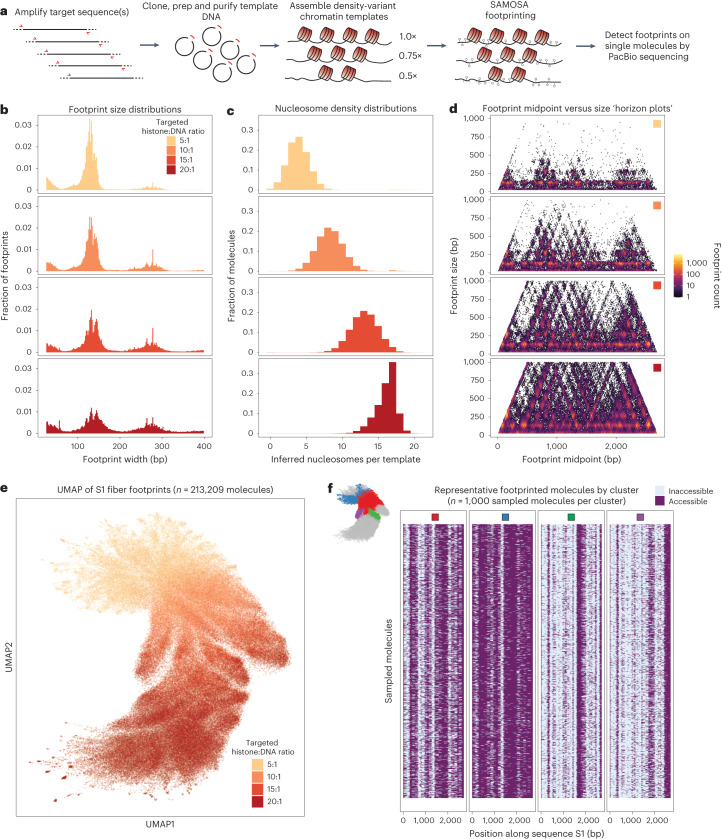
Fig. 2. SAMOSA-ChAAT enables massively multiplex dissection of single-fiber nucleosome positioning on in vitro reconstituted genomic chromatin fibers.
a, Schematic overview of the SAMOSA-ChAAT protocol, wherein genomic sequences are cloned, purified and assembled into chromatin fibers with desired biochemical properties (for example, nucleosome density) through SGD. Fibers are then footprinted with a nonspecific adenine methyltransferase and sequenced on the PacBio platform to assess single-molecule nucleosome positioning. b, A custom analytical pipeline enables detection of methyltransferase footprints on sequenced fibers. Footprint sizes from SAMOSA-ChAAT experiments carried out at varying nucleosome densities follow closely with expected nucleosome sizes, plus expected ‘breathing’ of DNA around the histone octamer, with the extent of breathing decreasing as nucleosome density increases. c, SAMOSA-ChAAT data enable direct estimation of the absolute number of nucleosomes per footprinted fiber, which track well with expected nucleosome densities based on targeted octamer: DNA ratios during SGD. d, Footprint length versus midpoint ‘horizon’ plots for footprinted fibers. Average nucleosome positions display sequence dependencies. e, UMAP dimensionality reduction of fiber accessibility data. UMAP patterns recapitulate known differences in nucleosome density in footprinted fibers. f, Visualization of a subset of sampled molecules following Leiden clustering of single molecule data. Individual Leiden clusters (cluster positions inset) capture mutually exclusive nucleosome positions consequent of chromatin fiber assembly.
Fig. 3
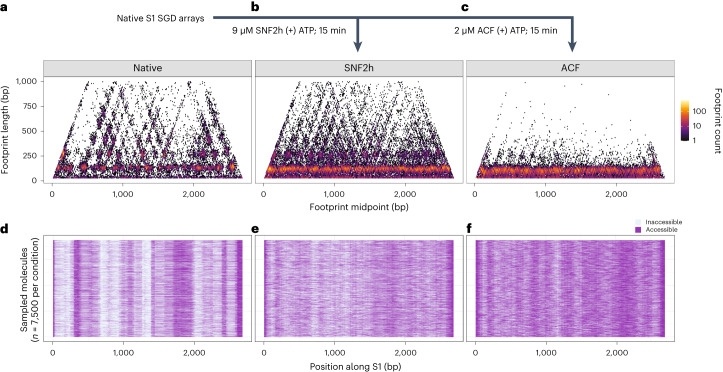
Fig. 3. SAMOSA-ChAAT reveals chromatin remodeling outcomes at single-fiber resolution.
ac, Footprint length versus footprint midpoint horizon plots comparing native S1 fibers with between 5 and 16 nucleosomes per template (a), S1 fibers remodeled with 9 µM SNF2h for 15 min (b) and S1 fibers remodeled with 2 µM ACF for 15 min (c). df, Sampled single-molecule data, with the same experimental conditions as above (with d, e and f corresponding to the conditions in a, b and c, respectively).
Fig. 4
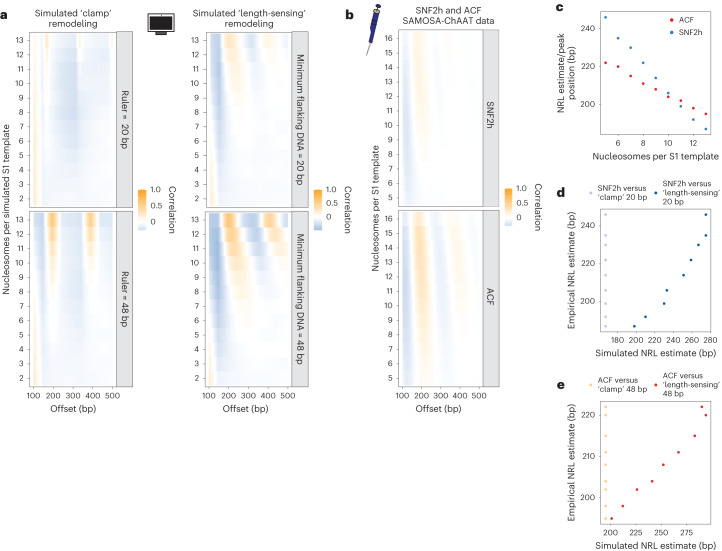
Fig. 4. An integrative approach to test the density dependence of ISWI remodeling.
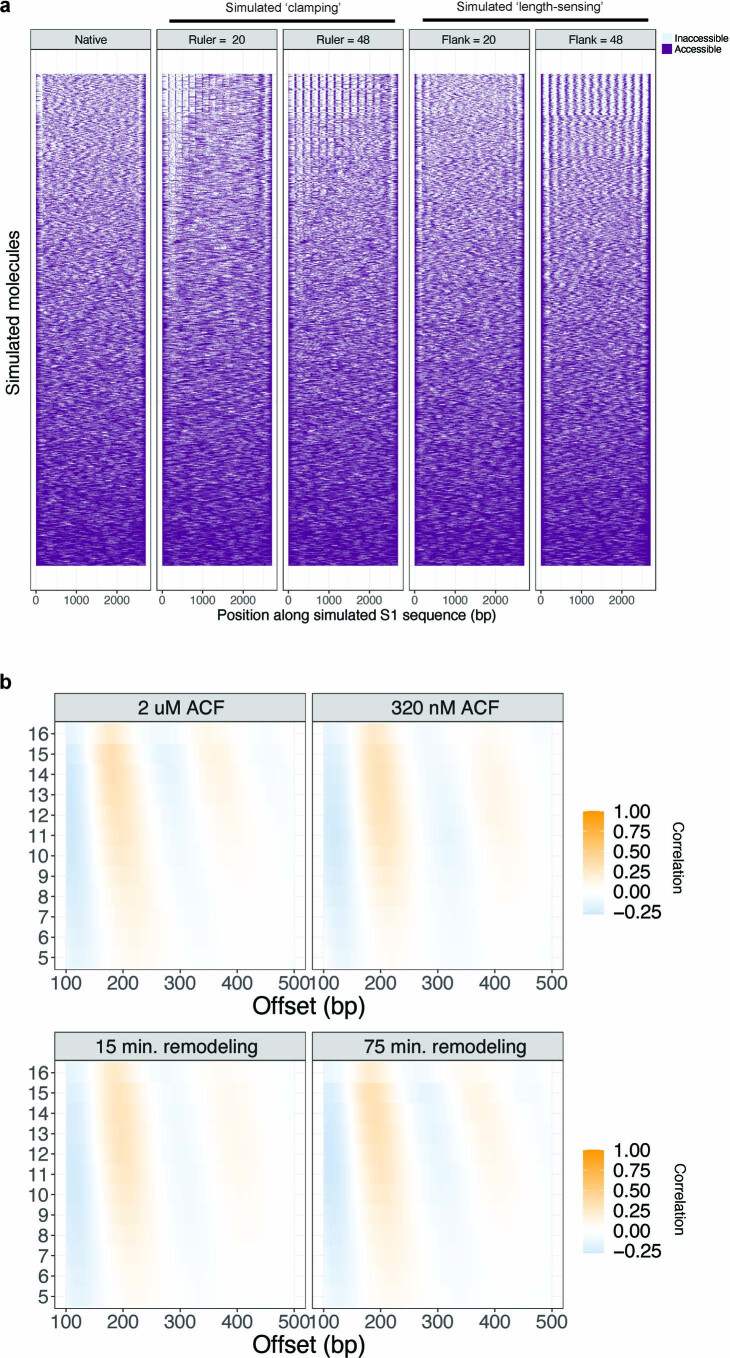
a, We employed a Monte-Carlo simulation to simulate S1-length nucleosomal arrays with 2–13 randomly positioned nucleosomes, and then subjected these fibers to in silico ‘clamp’ remodeling (left) or ‘length-sensing’ remodeling (right), at two different ruler/flanking length cutoffs: 20 bp (top) or 48 bp (bottom). We then plotted the single-molecule autocorrelograms of simulated, remodeled molecules and plotted the average autocorrelogram for each simulated density (y axis) as a function of offset (x axis). b, Single-molecule autocorrelograms for empirical data for SNF2h (top) and ACF (bottom). Data from 9 µM SNF2h remodeling and all collected ACF data shown here can be used to estimate relative spacing and regularity of single, footprinted chromatin fibers. c, Mean NRL estimate for arrays with 5–13 nucleosomes per template, as a function of density for SNF2h (blue) and ACF (red). d, Mean NRL estimates for arrays with 5–13 nucleosomes per template as a function of simulated NRL estimates (20 bp simulations) for SNF2h-remodeled templates. Length-sensing correlation shown in dark blue, and clamp correlation shown in light blue. e, Mean NRL estimates for arrays with 5–13 nucleosomes per template as a function of simulated NRL estimates (48 bp simulations) for ACF-remodeled templates. Length-sensing correlation shown in dark red, and clamp correlation shown in light red. Source data
Fig. 5
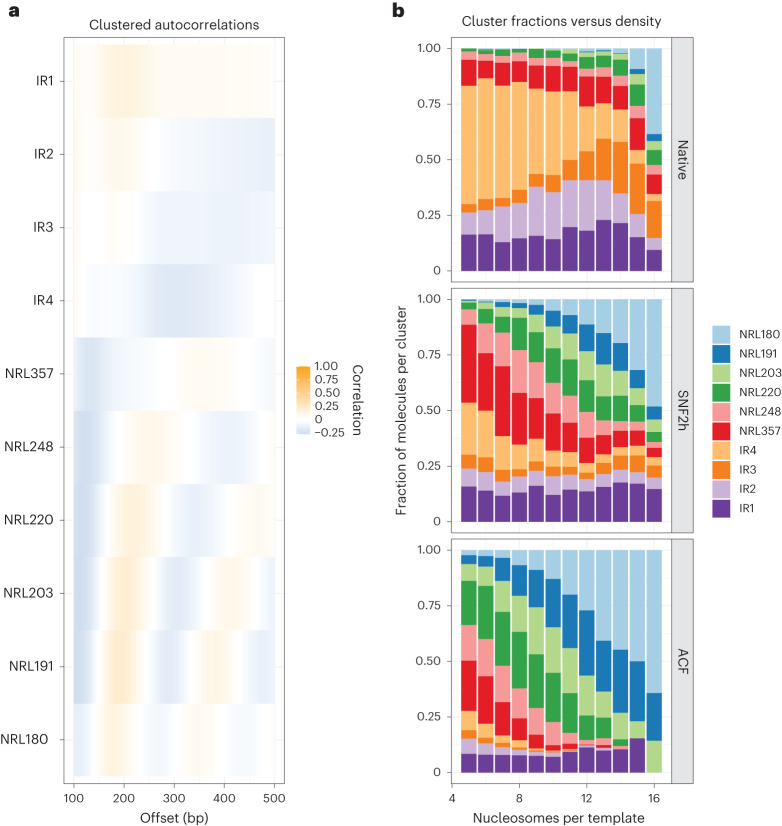
Fig. 5. ISWI remodeling outcomes are heterogeneous, are density dependent and act on pre-existing nucleosome array structures.
a, Clustered autocorrelograms for sampled native, SNF2h-remodeled and ACF-remodeled S1 arrays. Clusters capture arrays with NRLs ranging from 180 to 357 bp, as well as four ‘irregular’ (IR) array types with no detectable NRL/regularity. b, Stacked bar chart representation of cluster representation, plotted as a function of nucleosome density.
Fig. 6
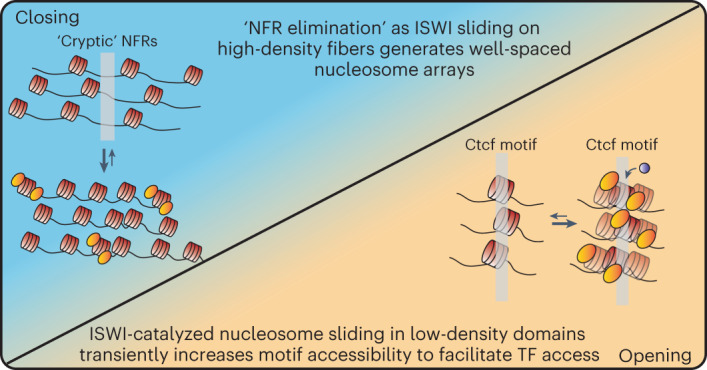
Fig. 6. A model of SNF2h-mediated chromatin regulation based on results of this study.
SNF2h length-sensing can explain context-specific regulatory functions of ISWI complexes. At high-nucleosome-density repressed regions, SNF2h-containing complexes increase the representation of multiple types of regular, short NRL fibers, presumably to facilitate elimination of cryptic NFRs. At lower-nucleosome-density regions, accessible SNF2h slides nucleosomes to increase the site exposure frequency of cis-regulatory elements (for example, CTCF/Ctcf binding sites).
Extended Data Fig. 1
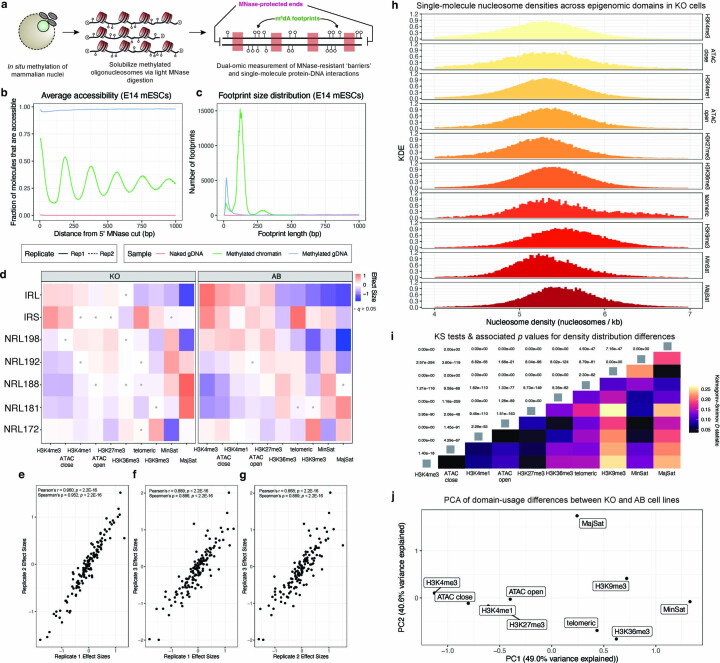
Extended Data Fig. 1. Overview of improved SAMOSA footprinting assay, fiber-type enrichment across knockout and addback cells, and measurements of single-molecule nucleosome density in knockout cells.
a). We improved on our previously published SAMOSA protocol by performing EcoGII methylation in intact nuclei, which we then digest with a limited MNase digestion to liberate oligonucleosomes. These molecules are then sequenced on the PacBio Sequel II platform and harbor two information types: MNase cuts that mark the position of ‘barriers’ along the genome, and m6dA footprints that capture protein-DNA interactions. b). Our NN-HMM (Methods) can be applied to estimate chromatin accessibility on individual molecules. Shown here is data from E14 mESCs. Nucleosome periodicity is seen in footprinted chromatin, but not in positive (methylated naked DNA) and negative (unmethylated E14 gDNA) controls. The 5′ and 3′ ends of molecules are massively enriched for MNase-defined ‘barriers’ (generally, the edge of nucleosome core particles). c). The NN-HMM can predict footprint sizes, which range from nucleosome length, to subnucleosomal protections indicative of transcription factor-DNA interactions. d). Heat map of effect sizes for enrichment / depletion of specific fiber types across each of ten different epigenomic domains, in KO and AB mESCs. All boxes without a grey dot are significant with a q-value ≤ 0.05. e.-g). Quantitative reproducibility of effect sizes across biological replicate KO and AB cell lines. e.), f.), and g,) show scatter plots, correlation coefficients, and p-values comparing paired KO / AB replicate 1 vs. replicate 2, replicate 1 vs. replicate 3, and replicate 2 vs replicate 3 effect size measurements (two-sided tests). h). Distribution of single-molecule nucleosome density estimates (Methods) across each epigenomic domain studied. i). Heatmap of two-sided Kolmogorov-Smirnov D statistics and p-values to test distribution differences for each epigenomic domain. All tests were statistically significant with a range of effect sizes. j). Scatter plot of PC1 and PC2 resulting from PCA on the difference of the effect size matrices, shown in Fig. 1f. Points are labeled according to the represented epigenomic domain.
Extended Data Fig. 2
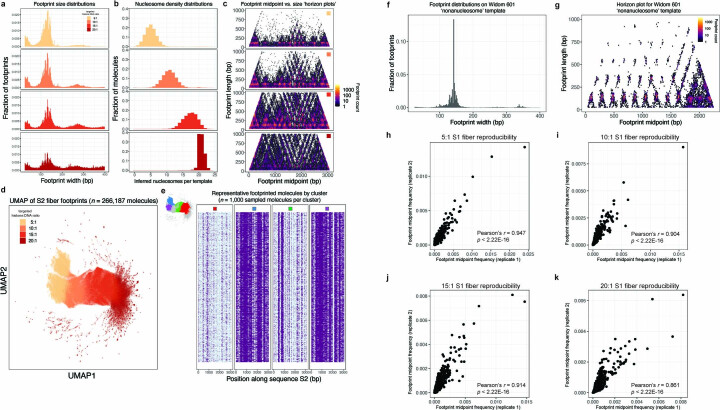
Extended Data Fig. 2. Generalizability and reproducibility of the SAMOSA-ChAAT protocol.
a). As in Fig. 2b, but for a completely different murine sequence (‘S2’). Footprint sizes from SAMOSA-ChAAT experiments carried out at varying nucleosome densities follow closely with expected nucleosome sizes, plus expected ‘breathing’ of DNA around the histone octamer, with the extent of breathing decreasing as nucleosome density increases. b). SAMOSA-ChAAT data enables direct estimation of the absolute number of nucleosomes per footprinted S2 fiber. c). Footprint length vs. midpoint ‘horizon’ plots for footprinted S2 fibers. d). UMAP dimensionality reduction of S2 fiber accessibility data. e). Visualization of a subset of sampled molecules following Leiden clustering of single molecule data. f-g). Widom 601 nonanucleosomal fiber data from ref. was reprocessed using the NN-HMM. Called footprints are the expected length of 601-assembled nucleosomes (f), and horizon plots reveal positioned nucleosomes at expected positions (g). h–k). Correlation of footprint abundances for S1 fibers of each density across two replicates (different salt gradient dialysis preps).
Extended Data Fig. 3
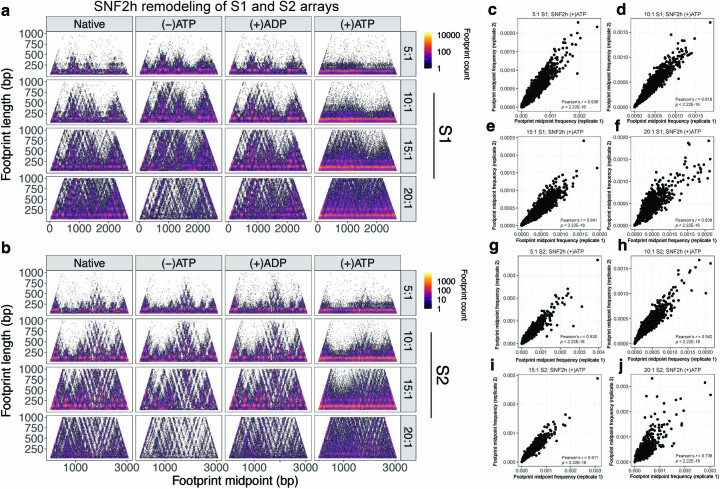
Extended Data Fig. 3. Reproducibility of SAMOSA-ChAAT remodeling experiments and horizon plots for all catalytic conditions tested.
a-b). Horizon plots for S1 (a) and S2 (b) fibers, for native, pre-catalytic, (+)ADP, and remodeled fibers (all averages are over single-turnover experiments; multi-turnover data is omitted for this visualization). c–j). Scatter plots and associated Pearson’s r values for correlations between two biological replicate remodeling experiments, for each density tested, for both S1 (c-f) and S2 (g-j) arrays.
Extended Data Fig. 4
Extended Data Fig. 4. Discerning between models of ISWI remodeling through simulation and additional experimental conditions.
a). Heatmap representation of simulated S1 nucleosomal arrays generated through a Monte-Carlo simulation. Column 1 represents simulated ‘native’ arrays; Column 2 represents simulated ‘clamp’ remodeled arrays with a ruler length of 20 bp; Column 3 represents simulated ‘clamp’ remodeled arrays with a ruler length of 48 bp; Column 4 represents simulated ‘length-sensing’ remodeled arrays with a minimum flanking DNA length of 20 bp; Column 5 represents simulated ‘length-sensing’ remodeled arrays with a minimum flanking DNA length of 48 bp. b). The observation of density-dependent NRL scaling in ACF-remodeled products is neither impacted by ACF: mononucleosome stoichiometry (top) nor remodeling time (bottom). Source data
Extended Data Fig. 5
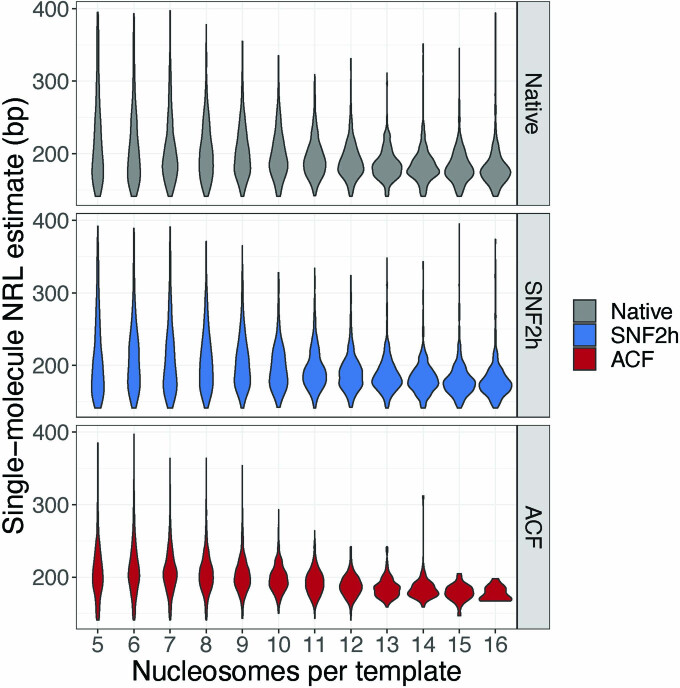
Extended Data Fig. 5. Violin plots of per-density single-molecule NRL estimates for native (un-remodeled), SNF2h-remodeled, and ACF remodeled S1 arrays.
Means and standard deviation for all distributions shown in Supplementary Table 4.
Extended Data Fig. 6
Extended Data Fig. 6. Schematics for the SAMOSA / SAMOSA-ChAAT computational pipelines.
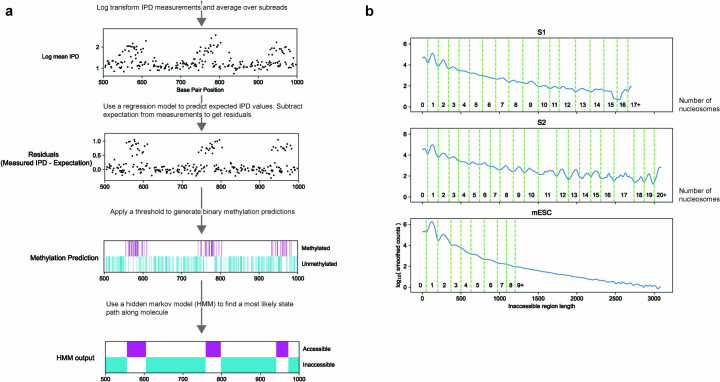
a). Shown is example data for a portion of a methylated molecule containing nucleosomes assembled onto regularly spaced Widom 601 sequences. The pipeline starts with log10 transforming the IPD measurements and averaging over all subreads. Next, to reduce noise from DNA sequence effects and inter-molecular variation, a neural network regression model that was trained on unmethylated DNA is used to regress out the expect IPD at each adenine. The regression model takes into account the DNA sequence context as well as molecule level IPD distribution measurements. The residuals show greater signal, and a threshold is then applied to the residuals to get binary methylation predictions. A hidden Markov model (HMM) is then used to synthesize the information from all adenines across the molecule into a single trace of accessible and inaccessible regions. The HMM model uses the frequency at which adenines in different sequence contexts were methylated in unmethylated and fully methylated control molecules to set expectations for observing methylation in accessible and inaccessible regions of chromatin. This HMM output was used for all downstream analyses. b). To estimate the number of nucleosomes on each DNA molecule, cutoffs were defined to delineate between the number of estimated nucleosomes within an inaccessible region. Green dashed lines show the cutoffs, and the numbers below indicate the number of nucleosomes that sized region is counted as. Different cutoffs were used for S1, S2, and mESC molecules, based on the distributions and peaks in region length for each.
Extended Data Fig. 7
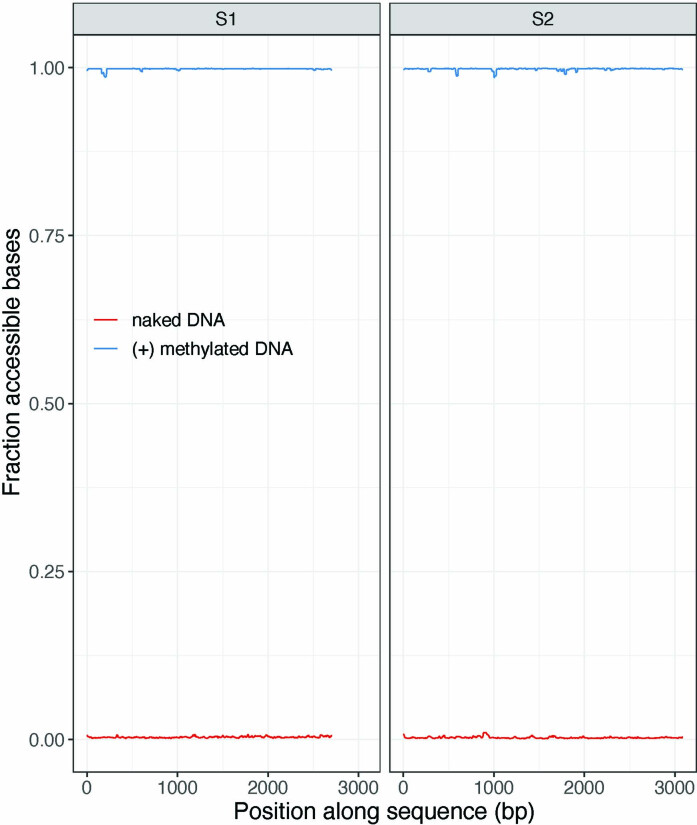
Extended Data Fig. 7. Control S1 and S2 molecules are almost entirely accessible or inaccessible based on pipeline predictions.
Line plot of average accessibility of processed control S1 (left) and S2 (right) molecules, with unmethylated control DNA in red and fully methylated control DNA in blue.

References

    1. Yang JG, Madrid TS, Sevastopoulos E, Narlikar GJ. The chromatin-remodeling enzyme ACF is an ATP-dependent DNA length sensor that regulates nucleosome spacing. Nat. Struct. Mol. Biol. 2006;13:1078–1083. doi: 10.1038/nsmb1170. - DOI - PubMed
    1. Deindl S, et al. ISWI remodelers slide nucleosomes with coordinated multi-base-pair entry steps and single-base-pair exit steps. Cell. 2013;152:442–452. doi: 10.1016/j.cell.2012.12.040. - DOI - PMC - PubMed
    1. Armache JP, et al. Cryo-EM structures of remodeler-nucleosome intermediates suggest allosteric control through the nucleosome. eLife. 2019;8:e46057. doi: 10.7554/eLife.46057. - DOI - PMC - PubMed
    1. Hewish DR, Burgoyne LA. Chromatin sub-structure. The digestion of chromatin DNA at regularly spaced sites by a nuclear deoxyribonuclease. Biochem. Biophys. Res. Commun. 1973;52:504–510. doi: 10.1016/0006-291X(73)90740-7. - DOI - PubMed
    1. Becker PB, Gloss B, Schmid W, Strähle U, Schütz G. In vivo protein–DNA interactions in a glucocorticoid response element require the presence of the hormone. Nature. 1986;324:686–688. doi: 10.1038/324686a0. - DOI - PubMed

Publication types