


Addressing cancer care inequities in sub-Saharan Africa: current challenges and proposed solutions
- PMID: 37697315
- PMCID: PMC10496173
- DOI: 10.1186/s12939-023-01962-y
Addressing cancer care inequities in sub-Saharan Africa: current challenges and proposed solutions
Expression of concern in
-
Addressing cancer care inequities in sub‑Saharan Africa: current challenges and proposed solutions.Int J Equity Health. 2025 Jan 9;24(1):6. doi: 10.1186/s12939-024-02367-1. Int J Equity Health. 2025. PMID: 39789587 Free PMC article. No abstract available.
Abstract
Introduction: Cancer is a significant public health challenge globally, with nearly 2000 lives lost daily in Africa alone. Without adequate measures, mortality rates are likely to increase. The major challenge for cancer care in Africa is equity and prioritization, as cancer is not receiving adequate attention from policy-makers and strategic stakeholders in the healthcare space. This neglect is affecting the three primary tiers of cancer care: prevention, diagnosis, and treatment/management. To promote cancer care equity, addressing issues of equity and prioritization is crucial to ensure that everyone has an equal chance at cancer prevention, early detection, and appropriate care and follow-up treatment.
Methodology: Using available literature, we provide an overview of the current state of cancer care in Africa and recommendations to close the gap.
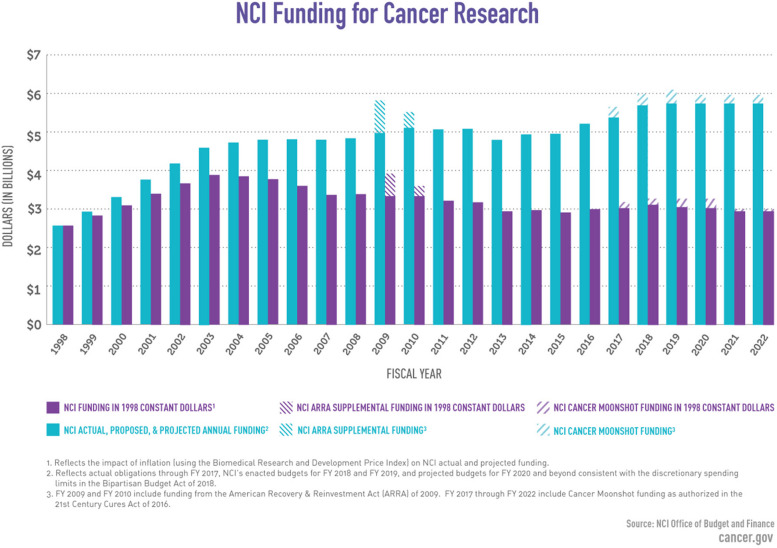
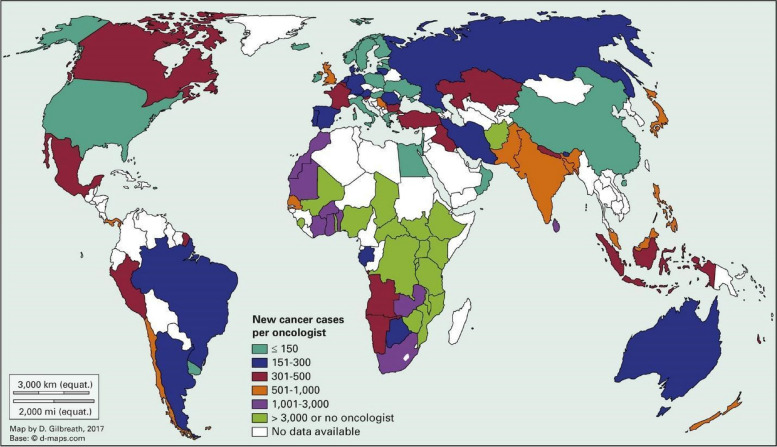
Results: We highlight several factors that contribute to cancer care inequity in Africa, including inadequate funding for cancer research, poor cancer education or awareness, inadequate screening or diagnostic facilities, lack of a well-organized and effective cancer registry system and access to care, shortage of specialized medical staff, high costs for screening, vaccination, and treatment, lack of technical capacity, poor vaccination response, and/or late presentation of patients for cancer screening. We also provide recommendations to address some of these obstacles to achieving cancer care equity. Our recommendations are divided into national-level initiatives and capacity-based initiatives, including cancer health promotion and awareness by healthcare professionals during every hospital visit, encouraging screening and vaccine uptake, ensuring operational regional and national cancer registries, improving healthcare budgeting for staff, equipment, and facilities, building expertise through specialty training, funding for cancer research, providing insurance coverage for cancer care, and implementing mobile health technology for telemedicine diagnosis.
Conclusion: Addressing challenges to cancer equity holistically would improve the likelihood of longer survival for cancer patients, lower the risk factors for groups that are already at risk, and ensure equitable access to cancer care on the continent. This study identifies the existing stance that African nations have on equity in cancer care, outlines the current constraints, and provides suggestions that could make the biggest difference in attaining equity in cancer care.
Keywords: Africa; Cancer care; Disease burden; Equity; Public health.
© 2023. BioMed Central Ltd., part of Springer Nature.
Conflict of interest statement
The authors declare no competing interests.
Figures
References
-
- Cancer Today. Available from: https://gco.iarc.fr/today/home. Cited 2022 Jun 25.
-
- Hamdi Y, Abdeljaoued-Tej I, Zatchi AA, Abdelhak S, Boubaker S, Brown JS, et al. Cancer in Africa: the untold story. Front Oncol. 2021;15(11):650117. 10.3389/fonc.2021.650117, https://pubmed.ncbi.nlm.nih.gov/33937056/. - PMC - PubMed
-
- Cancer | WHO | Regional Office for Africa. Available from: https://www.afro.who.int/health-topics/cancer. Cited 2022 Aug 13.
-
- Jedy-Agba E, Joko WY, Liu B, Buziba NG, Borok M, Korir A, et al. Trends in cervical cancer incidence in sub-Saharan Africa. Br J Cancer. 2020;123(1):148–54. Available from: https://www.nature.com/articles/s41416-020-0831-9. Cited 2022 Jun 25. - DOI - PMC - PubMed
-
- Omotoso OE, Matariek G, Omotoso EF, Matareek A, Abdul-Rafee GM, Malakar S, et al. Practice of breast self-examination and knowledge of breast and cervical cancer screening. SciMed J. 2021;3(3):219–29. - DOI
Publication types
MeSH terms
LinkOut - more resources
Full Text Sources
Medical
Miscellaneous
