


Overground gait adaptability in older adults with type 2 diabetes in response to virtual targets and physical obstacles
- PMID: 37703264
- PMCID: PMC10499227
- DOI: 10.1371/journal.pone.0276999
Overground gait adaptability in older adults with type 2 diabetes in response to virtual targets and physical obstacles
Abstract
Background: To step over an unexpected obstacle, individuals adapt gait; they adjust step length in the anterior-posterior direction prior to the obstacle and minimum toe clearance height in the vertical direction during obstacle avoidance. Inability to adapt gait may lead to falls in older adults with diabetes as the results of the effects of diabetes on the sensory-motor control system. Therefore, this study aimed to investigate gait adaptability in older adults with diabetes.
Research question: Would diabetes impair gait adaptability and increase sagittal foot adjustment errors?
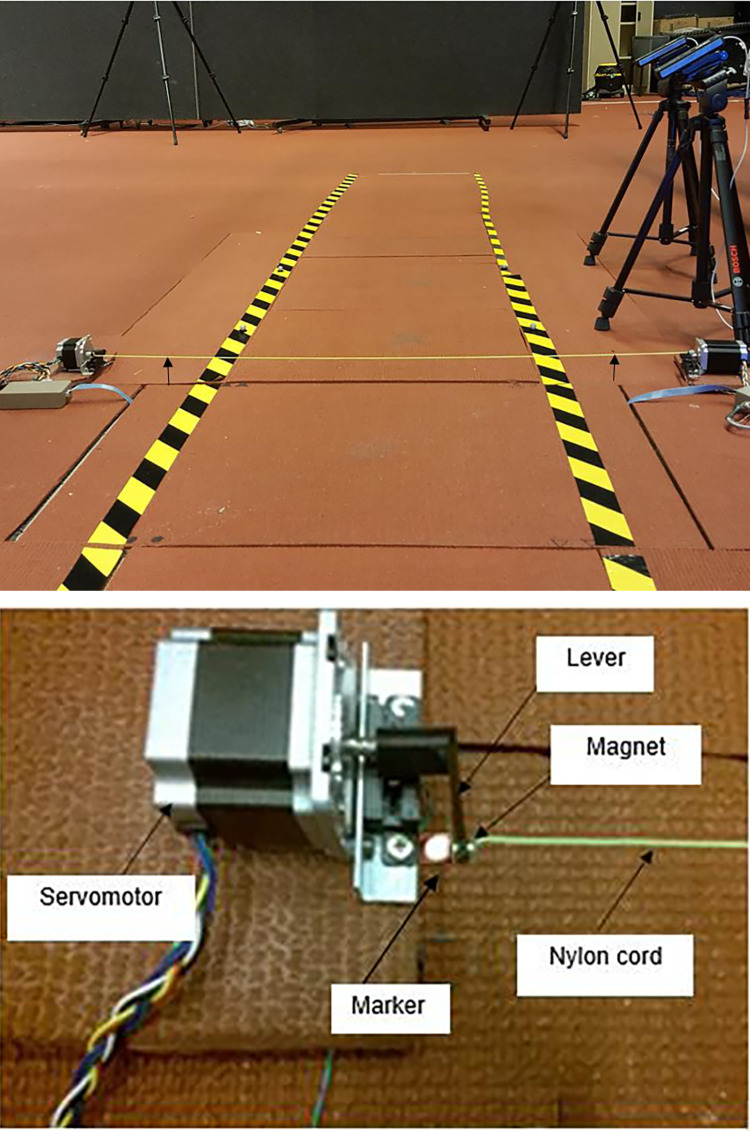
Methods: Three cohorts of 16 people were recruited: young adults (Group I), healthy older adults (Group II), and older adults with diabetes (Group III). Participants walked in baseline at their comfortable speeds. They then walked and responded to what was presented in gait adaptability tests, which included 40 trials with four random conditions: step shortening, step lengthening, obstacle avoiding, and walking through. Virtual step length targets were 40% of the baseline step length longer or shorter than the mean baseline step length; the actual obstacle was a 5-cm height across the walkway. A Vicon three-dimensional motion capture system and four A.M.T.I force plates were used to quantify spatiotemporal parameters of a gait cycle and sagittal foot adjustment errors (differences between desired and actual responses). Analyses of variance (ANOVA) repeated measured tests were used to investigate group and condition effects on dependent gait parameters at a significance level of 0.05.
Results: Statistical analyses of Group I (n = 16), Group II (n = 14) and Group III (n = 13) revealed that gait parameters did not differ between groups in baseline. However, they were significantly different in adaptability tests. Group III significantly increased their stance and double support times in adaptability tests, but these adaptations did not reduce their sagittal foot adjustment errors. They had the greatest step length errors and lowest toe-obstacle clearance, which could cause them to touch the obstacle more.
Significance: The presented gait adaptability tests may serve as entry tests for falls prevention programs.
Copyright: © 2023 Martin et al. This is an open access article distributed under the terms of the Creative Commons Attribution License, which permits unrestricted use, distribution, and reproduction in any medium, provided the original author and source are credited.
Conflict of interest statement
The authors have declared that no competing interests exist.
Figures



References
MeSH terms
LinkOut - more resources
Full Text Sources
Medical
