


Evolution of HIV virulence in response to disease-modifying vaccines: A modeling study
- PMID: 37714749
- PMCID: PMC10721209
- DOI: 10.1016/j.vaccine.2023.08.071
Evolution of HIV virulence in response to disease-modifying vaccines: A modeling study
Abstract
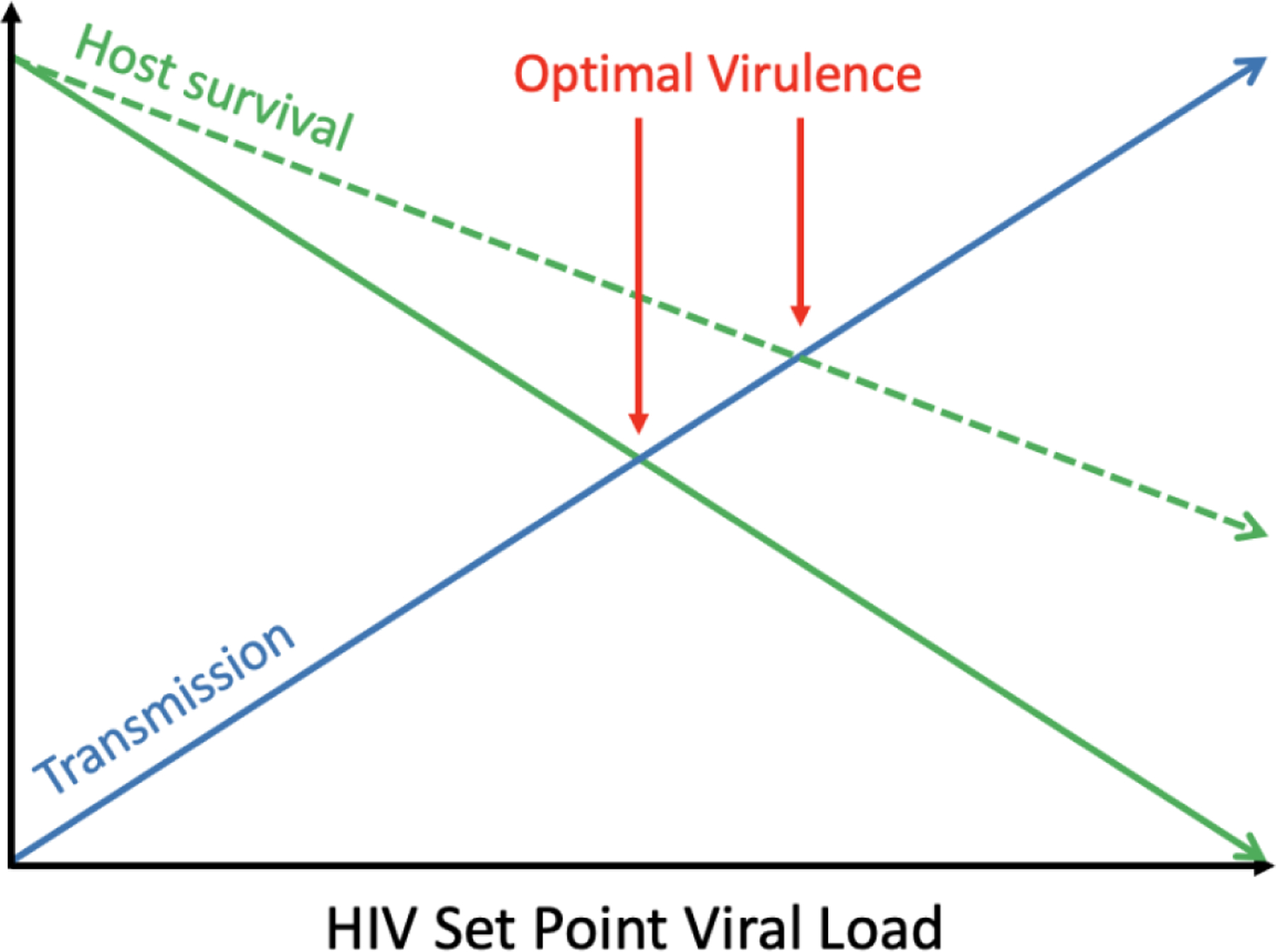
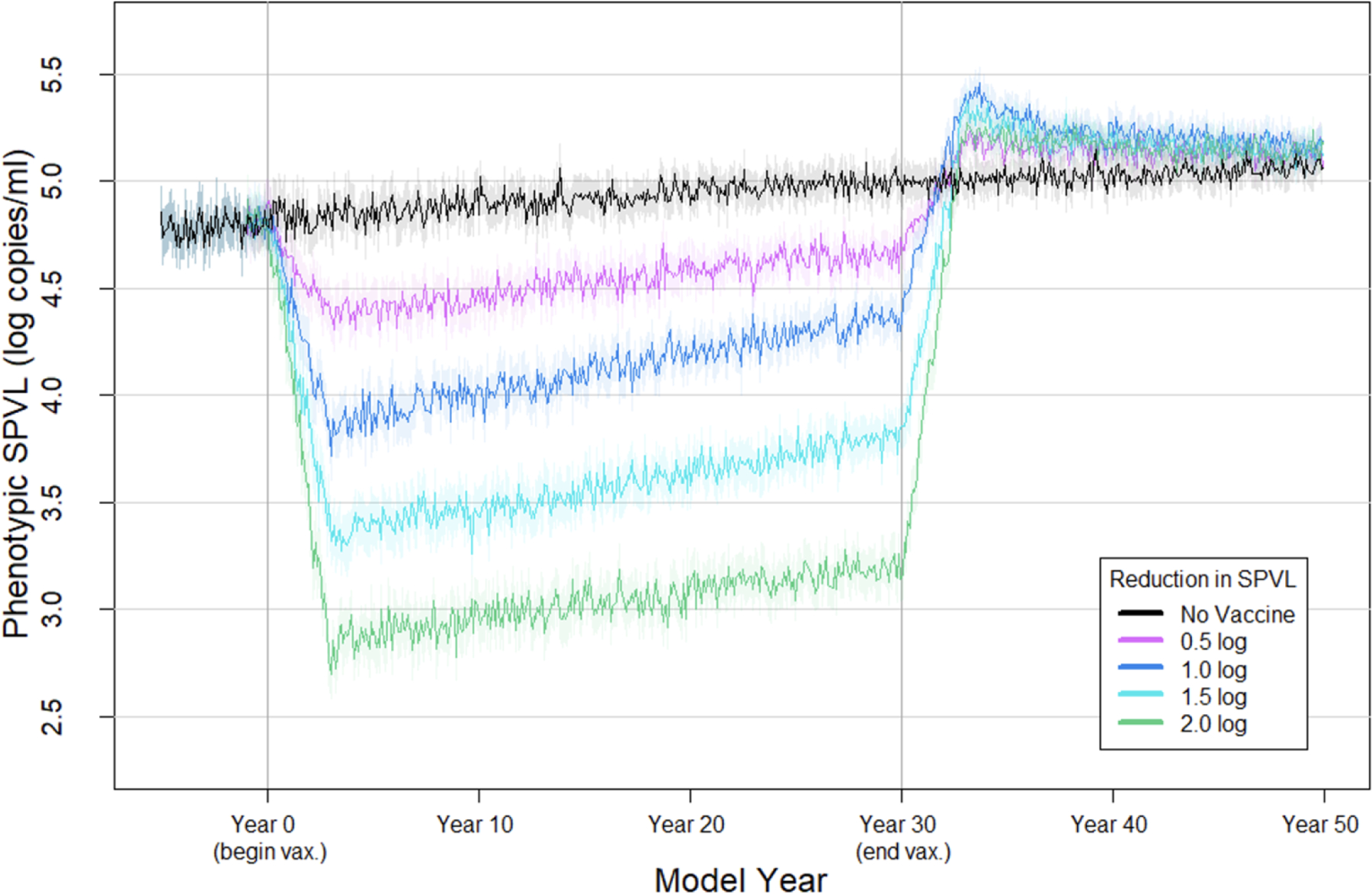
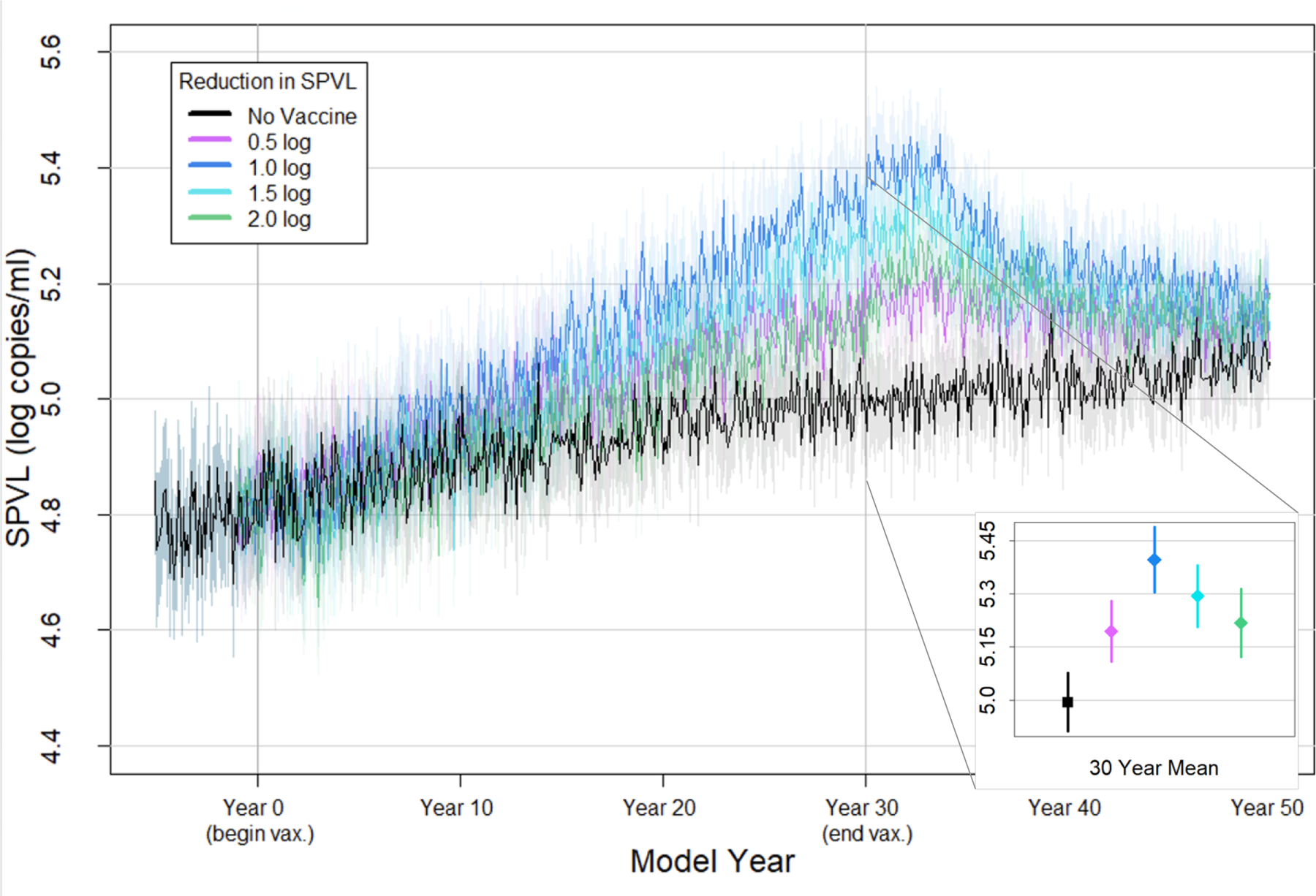
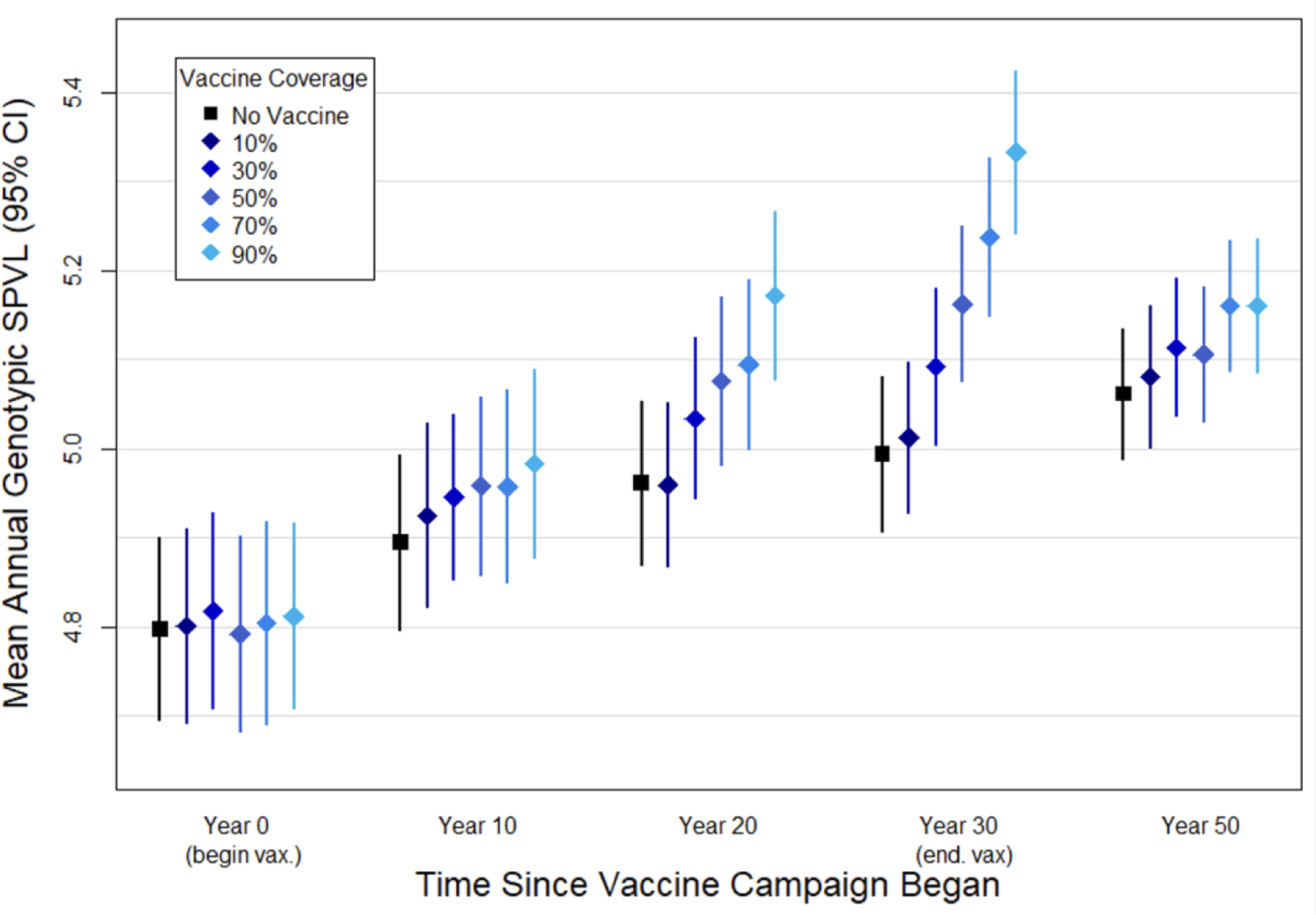
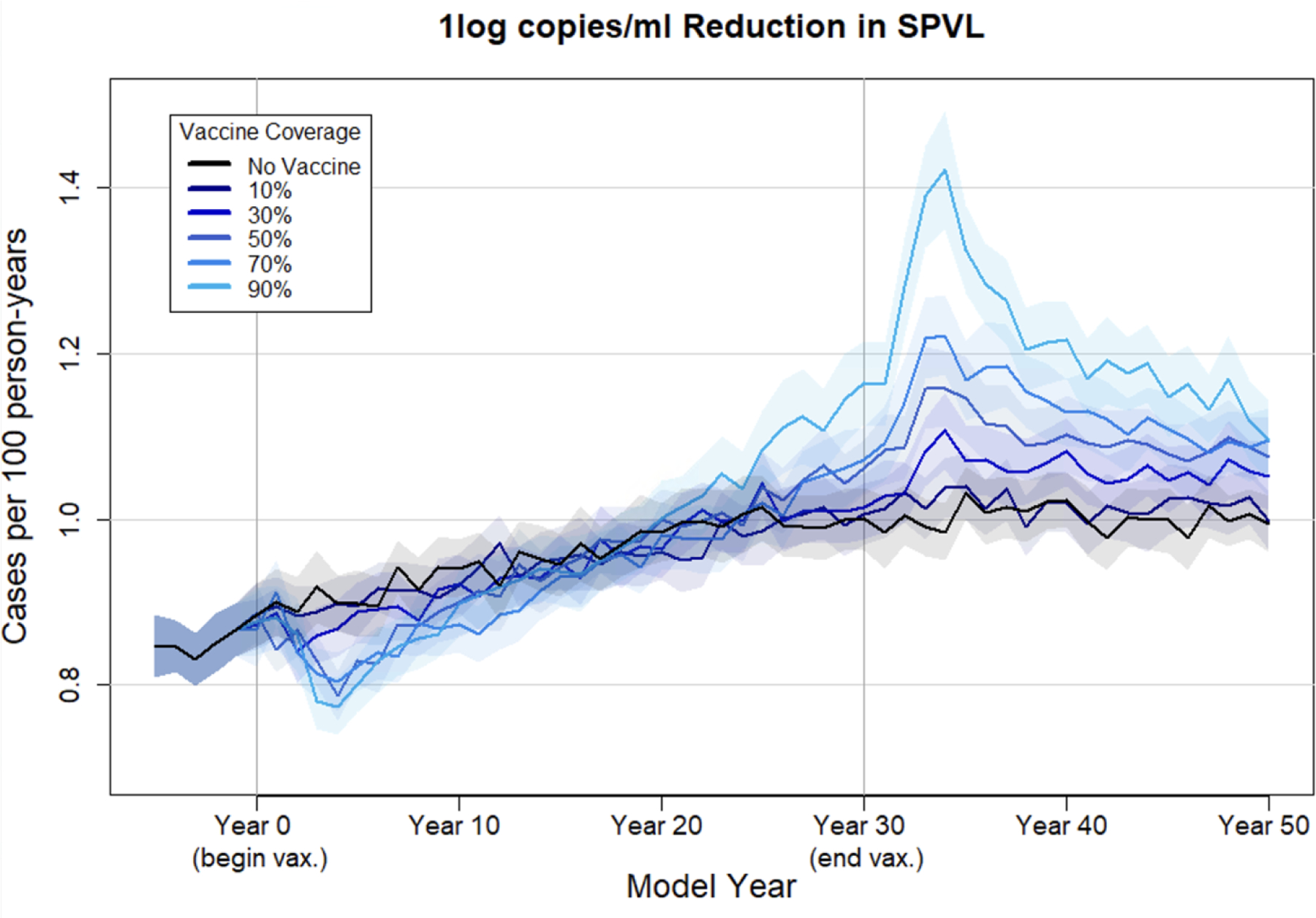
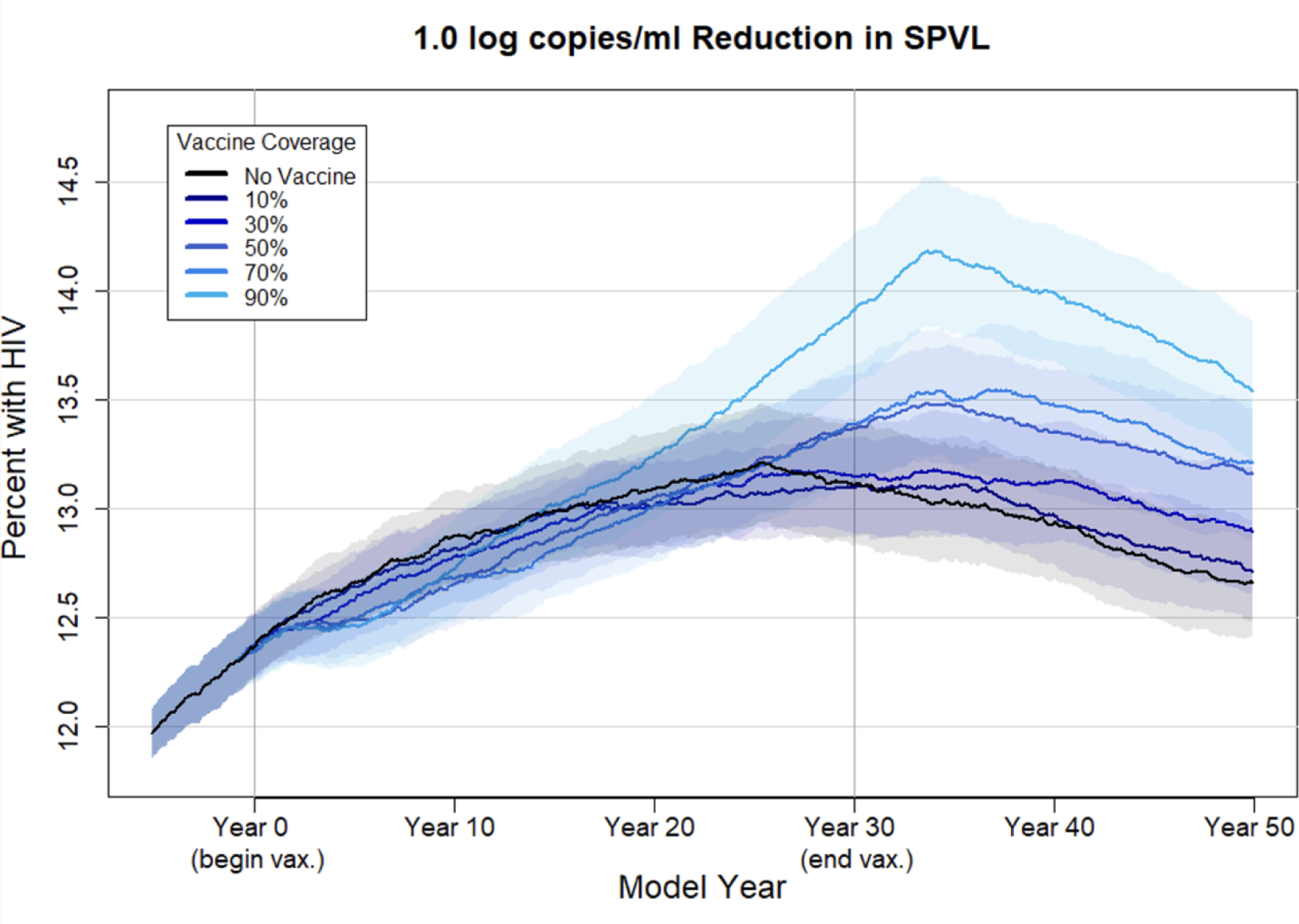
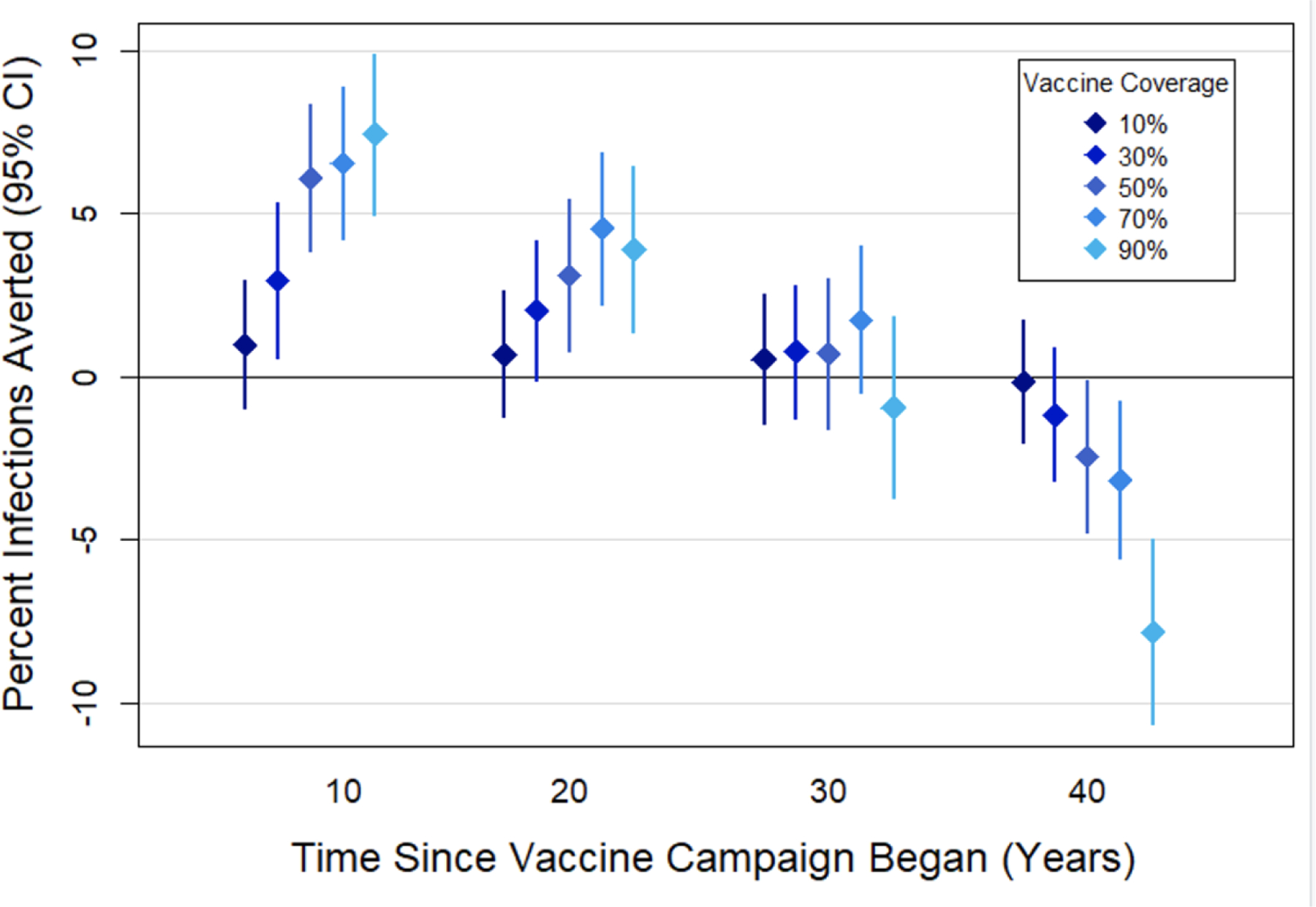
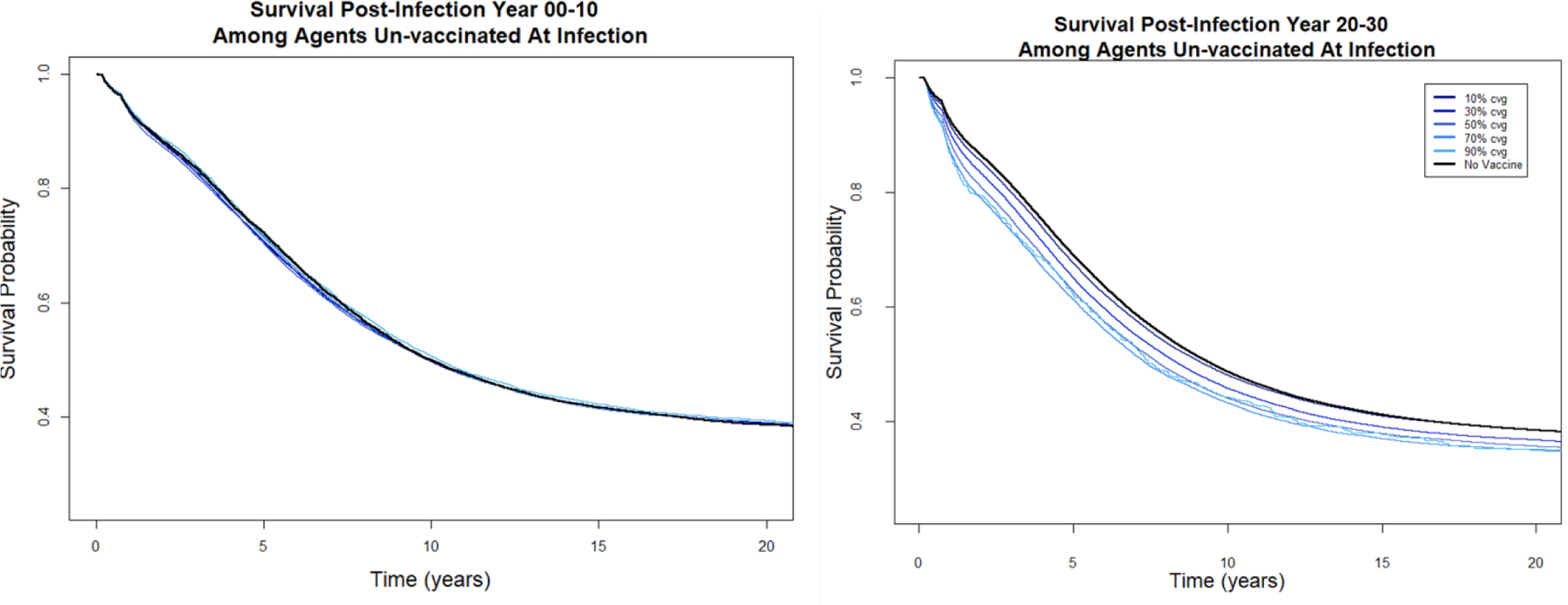
Pathogens face a tradeoff with respect to virulence; while more virulent strains often have higher per-contact transmission rates, they are also more likely to kill their hosts earlier. Because virulence is a heritable trait, there is concern that a disease-modifying vaccine, which reduces the disease severity of an infected vaccinee without changing the underlying pathogen genotype, may result in the evolution of higher pathogen virulence. We explored the potential for such virulence evolution with a disease-modifying HIV-1 vaccine in an agent-based stochastic epidemic model of HIV in United States men who have sex with men (MSM). In the model, vaccinated agents received no protection against infection, but experienced lower viral loads and slower disease progression. We compared the genotypic set point viral load (SPVL), a measure of HIV virulence, in populations given vaccines that varied in the degree of SPVL reduction they induce. Sensitivity analyses were conducted under varying vaccine coverage scenarios. With continual vaccination rollout under ideal circumstances of 90 % coverage over thirty years, the genotypic SPVL of vaccinated individuals evolved to become greater than the genotypic SPVL of unvaccinated individuals. This virulence evolution in turn diminished the public health benefit of the vaccine, and in some scenarios resulted in an accelerated epidemic. These findings demonstrate the complexity of viral evolution and have important implications for the design and development of HIV vaccines.
Keywords: HIV; Modeling; Vaccine; Viral evolution; Virulence.
Copyright © 2023 Elsevier Ltd. All rights reserved.
Conflict of interest statement
Declaration of Competing Interest The authors declare that they have no known competing financial interests or personal relationships that could have appeared to influence the work reported in this paper.
Figures
References
Publication types
MeSH terms
Substances
Grants and funding
LinkOut - more resources
Full Text Sources
Medical
