


The Influence of Tourist Attraction Type on Product Price Perception and Neural Mechanism in Tourism Consumption: An ERP Study
- PMID: 37720172
- PMCID: PMC10504089
- DOI: 10.2147/PRBM.S416821
The Influence of Tourist Attraction Type on Product Price Perception and Neural Mechanism in Tourism Consumption: An ERP Study
Abstract
Background: Tourism consumption is a topic with heated debates in tourism research, and pricing tourism products is a crucial task for tourism managers. Different types of tourist attractions offer different experiences to tourists, which affect their price perceptions and purchase decisions.
Methods: This study combined questionnaires and event-related potentials (ERPs) measures to explore the magnitude of psychological conflict and the degree of emotional arousal that consumers experience when faced with different prices of goods in different scenic types.
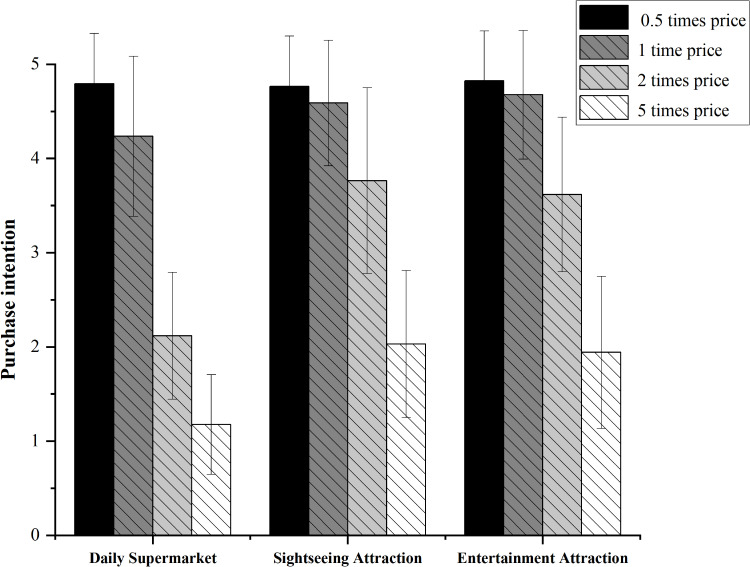
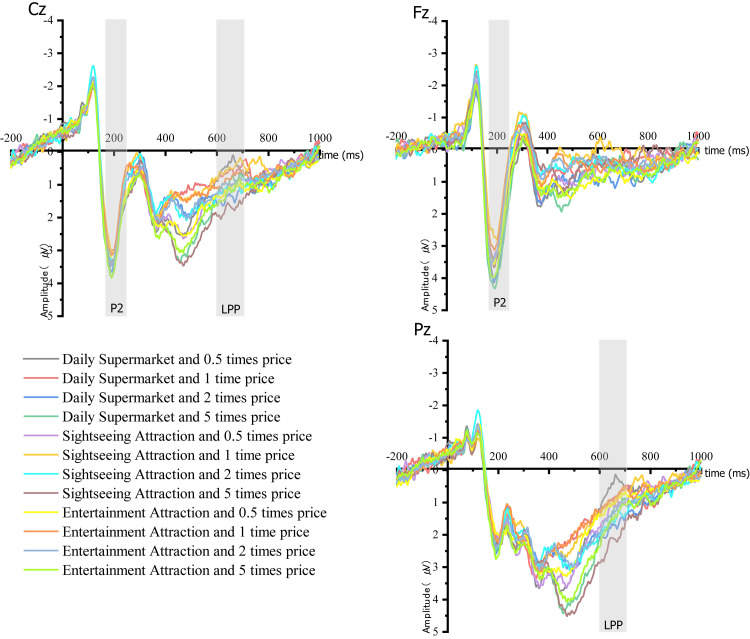
Results: The questionnaire results showed that attraction type influenced consumers' price perceptions and that consumers were willing to pay higher prices for products in attractions. The ERP results implied that in the early stage of cognition, attraction type did not affect consumers' perceptual processing, while price information attracted consumers' cognitive attention. In the late stage of cognition, attraction type, and price information jointly influenced consumers' decision-making, and consumers tended to accept high prices of products in entertainment attractions and cultural attractions, but consumers were more sensitive to the price of products in cultural attractions and less tolerant to price increases.
Conclusion: The study elucidated how price information influenced consumers' purchase decisions of tourism products at different stages of the dual-process theory, which can assist tourism managers in devising different pricing strategies and positioning strategies based on the attributes of attractions, to enhance product sales and revenues. This would further the vision of the World Tourism Organization (UNWTO) of "tourism fostering economic development".
Keywords: LPP; P2; event-related potentials; neuromarketing; price perception; tourist attractions.
© 2023 Wei et al.
Conflict of interest statement
The authors declare no conflicts of interest in this work.
Figures
References
-
- Cohen SA, Prayag G, Moital M. Consumer behaviour in tourism: concepts, influences and opportunities. Curr Issues Tour. 2014;17(10):872–909. doi: 10.1080/13683500.2013.850064 - DOI
-
- Beneke J, Carter S. The development of a consumer value proposition of private label brands and the application thereof in a South African retail context. J Retail Consum Serv. 2015;25:22–35. doi: 10.1016/j.jretconser.2015.03.002 - DOI
-
- Stangl B, Prayag G, Polster L. Segmenting visitors’ motivation, price perceptions, willingness to pay and price sensitivity in a collaborative destination marketing effort. Curr Issues Tour. 2020;23(21):2666–2682. doi: 10.1080/13683500.2019.1662380 - DOI
-
- Rajendran KN, Tellis GJ. Contextual and temporal components of reference price. J Mark. 1994;58(1):22–34. doi: 10.1177/002224299405800102 - DOI
LinkOut - more resources
Full Text Sources
