


Severe pneumonia and pathogenic damage in human airway epithelium caused by Coxsackievirus B4
- PMID: 37725516
- PMCID: PMC10538465
- DOI: 10.1080/22221751.2023.2261560
Severe pneumonia and pathogenic damage in human airway epithelium caused by Coxsackievirus B4
Abstract
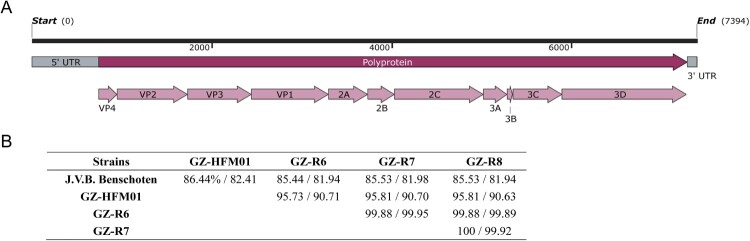
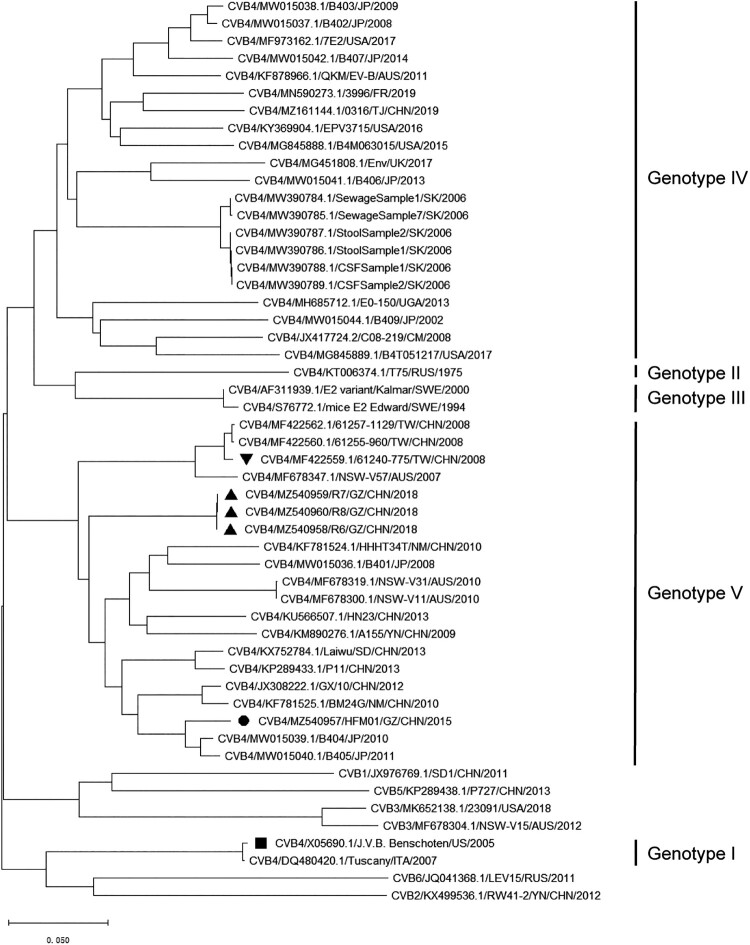
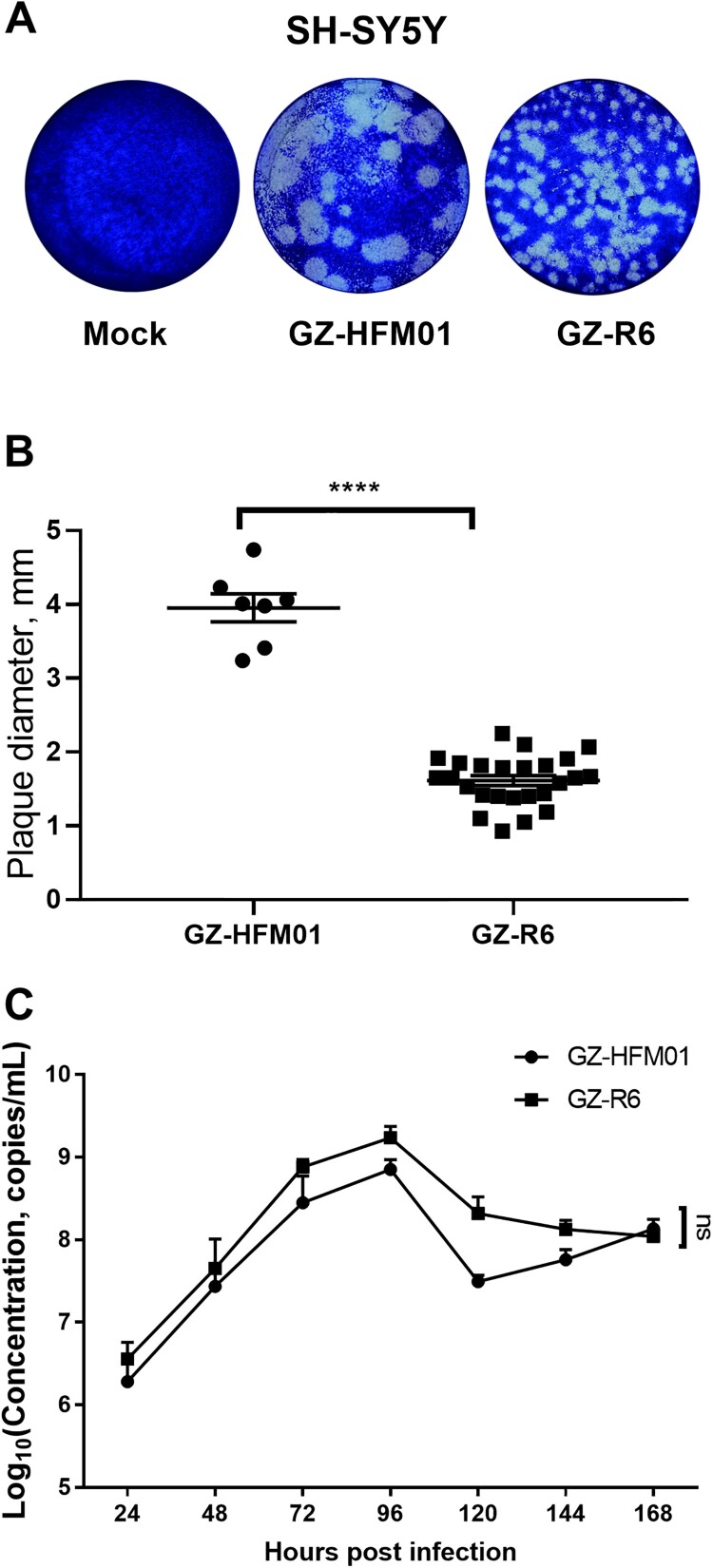
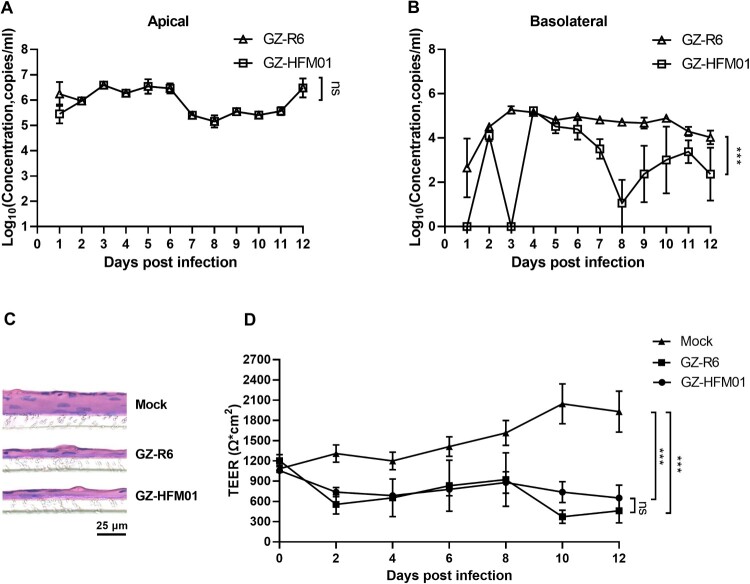
Coxsackievirus B4 (CVB4) has one of the highest proportions of fatal outcomes of other enterovirus serotypes. However, the pathogenesis of severe respiratory disease caused by CVB4 infection remains unclear. In this study, 3 of 42 (7.2%, GZ-R6, GZ-R7 and GZ-R8) patients with severe pneumonia tested positive for CVB4 infection in southern China. Three full-length genomes of pneumonia-derived CVB4 were sequenced and annotated for the first time, showing their high nucleotide similarity and clustering within genotype V. To analyze the pathogenic damage caused by CVB4 in the lungs, a well-differentiated human airway epithelium (HAE) was established and infected with the pneumonia-derived CVB4 isolate GZ-R6. The outcome was compared with that of a severe hand-foot-mouth disease (HFMD)-derived CVB4 strain GZ-HFM01. Compared with HFMD-derived CVB4, pneumonia-derived CVB4 caused more intense and rapid disruption of HAE polarity, leading to tight-junction barrier disruption, loss of cilia, and airway epithelial cell hypertrophy. More pneumonia-derived CVB4 were released from the basolateral side of the HAE than HFMD-derived CVB4. Of the 18 cytokines tested, only IL-6 and IL-1b secretion significantly increased on bilateral sides of HAE during the early stage of pneumonia-derived CVB4 infection, while multiple cytokine secretions significantly increased in HFMD-derived CVB4-infected HAE. HFMD-derived CVB4 exhibited stronger neurovirulence in the human neuroblastoma cells SH-SY5Y than pneumonia-derived CVB4, which is consistent with the clinical manifestations of patients infected with these two viruses. This study has increased the depth of our knowledge of severe pneumonia infection caused by CVB4 and will benefit its prevention and treatment.
Keywords: Coxsackievirus B4; full-length genome; hand-foot-mouth disease (HFMD); human airway epithelium; neurovirulence; pathogenic damage; severe pneumonia.
Conflict of interest statement
No potential conflict of interest was reported by the author(s).
Figures
References
-
- Crowell RL, Landau BJ.. A short history and introductory background on the coxsackieviruses of group B. Curr Top Microbiol Immunol. 1997;223:1–11. - PubMed
MeSH terms
Substances
LinkOut - more resources
Full Text Sources
Other Literature Sources
Medical
