Tumor-Infiltrating Normal B Cells Revealed by Immunoglobulin Repertoire Clonotype Analysis Are Highly Prognostic and Crucial for Antitumor Immune Responses in DLBCL
- PMID: 37728879
- PMCID: PMC10842978
- DOI: 10.1158/1078-0432.CCR-23-1554
Tumor-Infiltrating Normal B Cells Revealed by Immunoglobulin Repertoire Clonotype Analysis Are Highly Prognostic and Crucial for Antitumor Immune Responses in DLBCL
Abstract
Purpose: Tumor-infiltrating B lymphocytes (TIL-B) have demonstrated prognostic and predictive significance in solid cancers. In this study, we aimed to distinguish TIL-Bs from malignant B-cells in diffuse large B-cell lymphoma (DLBCL) and determine the clinical and biological significance.
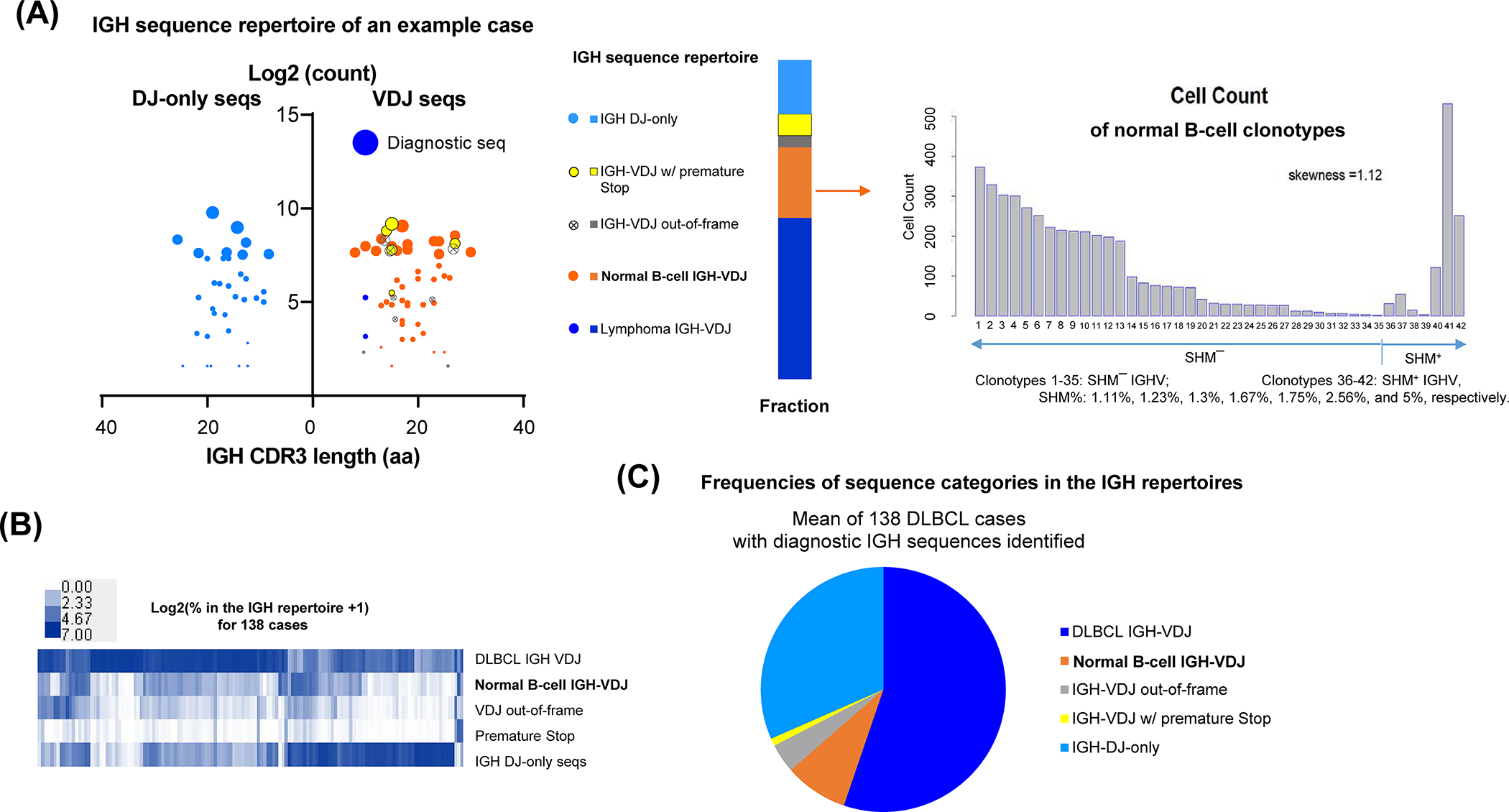
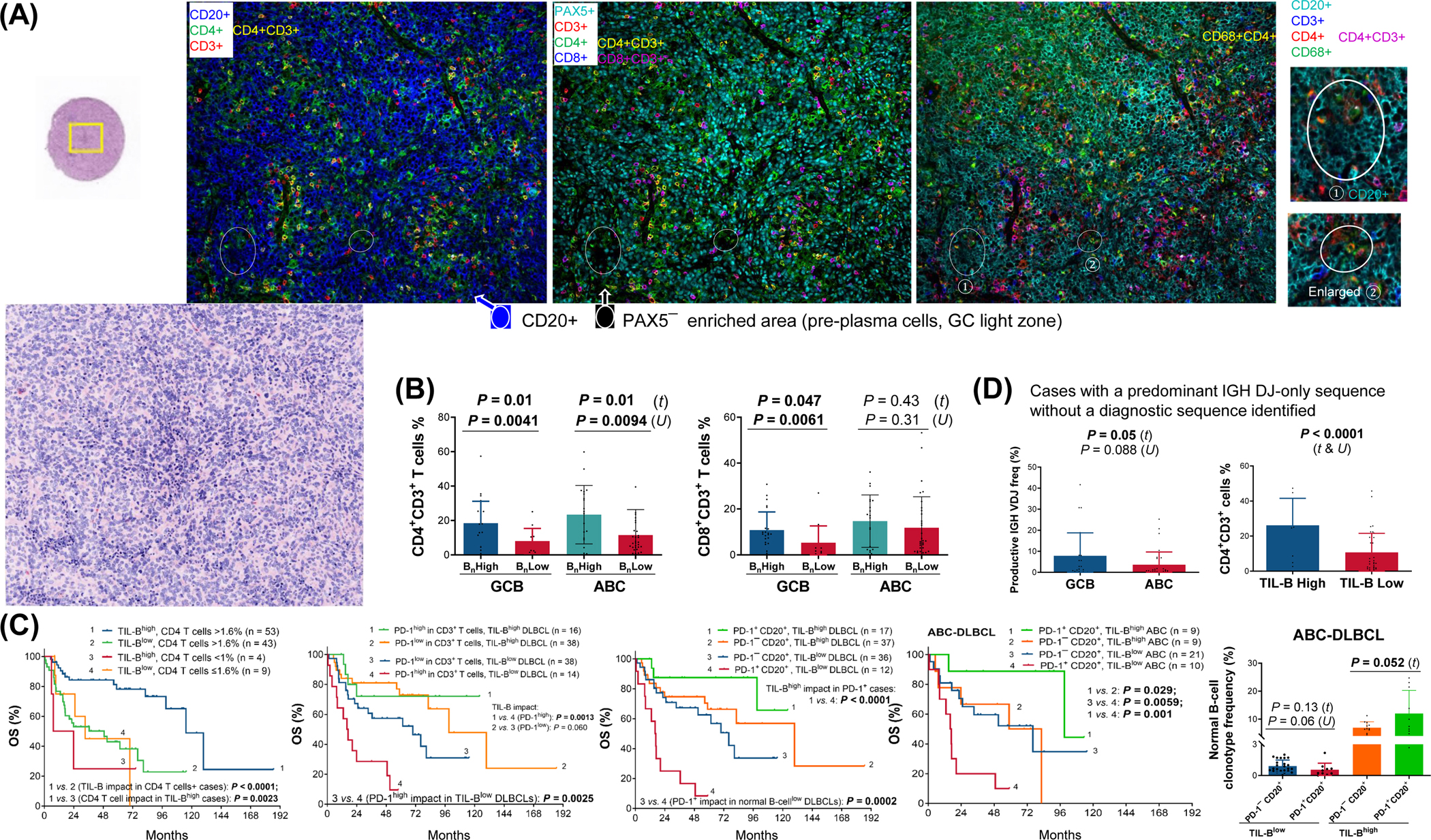
Experimental design: A total of 269 patients with de novo DLBCL from the International DLBCL R-CHOP Consortium Program were studied. Ultra-deep sequencing of the immunoglobulin genes was performed to determine B-cell clonotypes. The frequencies and numbers of TIL-B clonotypes in individual repertoires were correlated with patient survival, gene expression profiling (GEP) data, and frequencies of DLBCL-infiltrating immune cells quantified by fluorescent multiplex IHC at single-cell resolution.
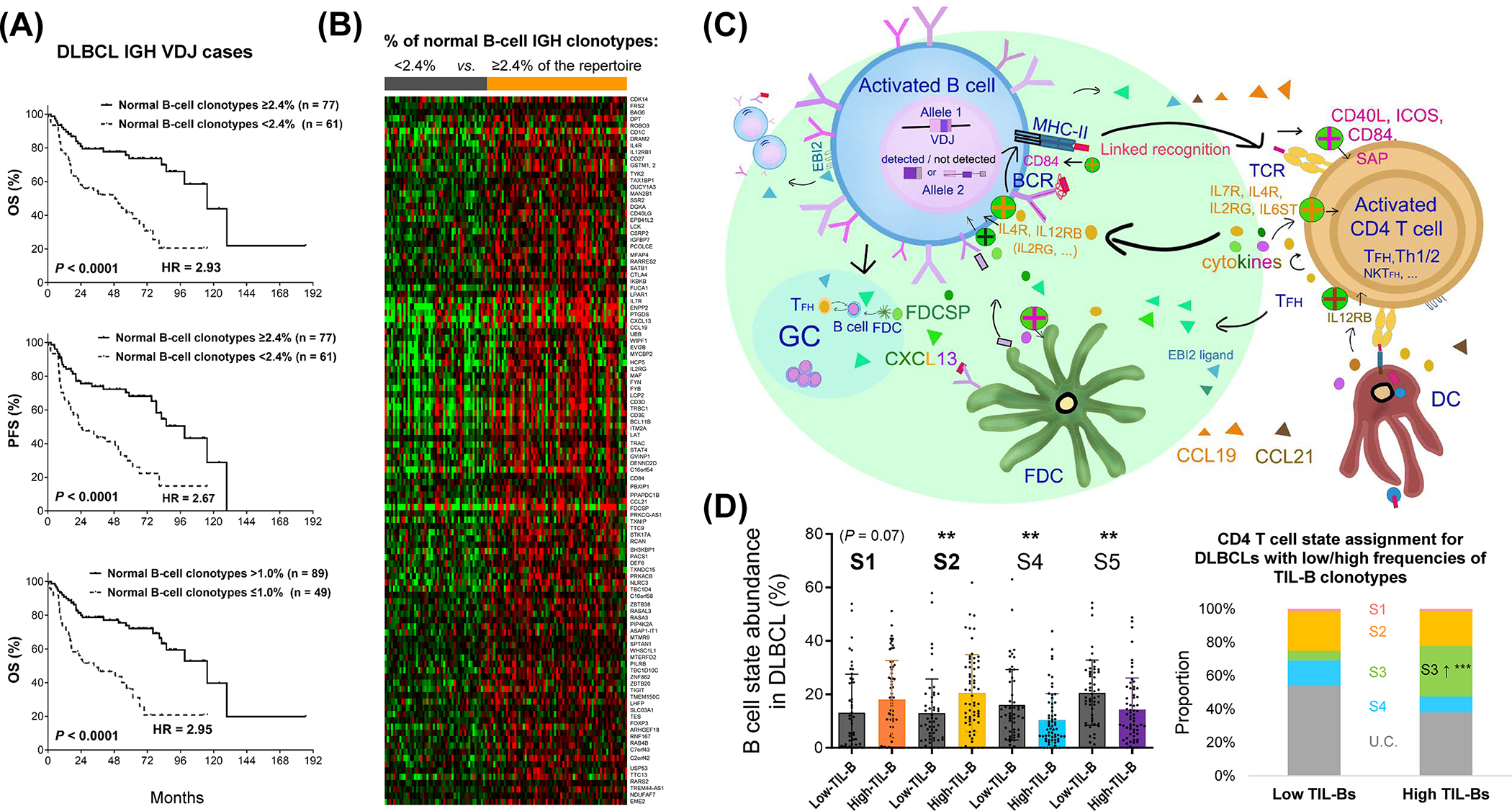
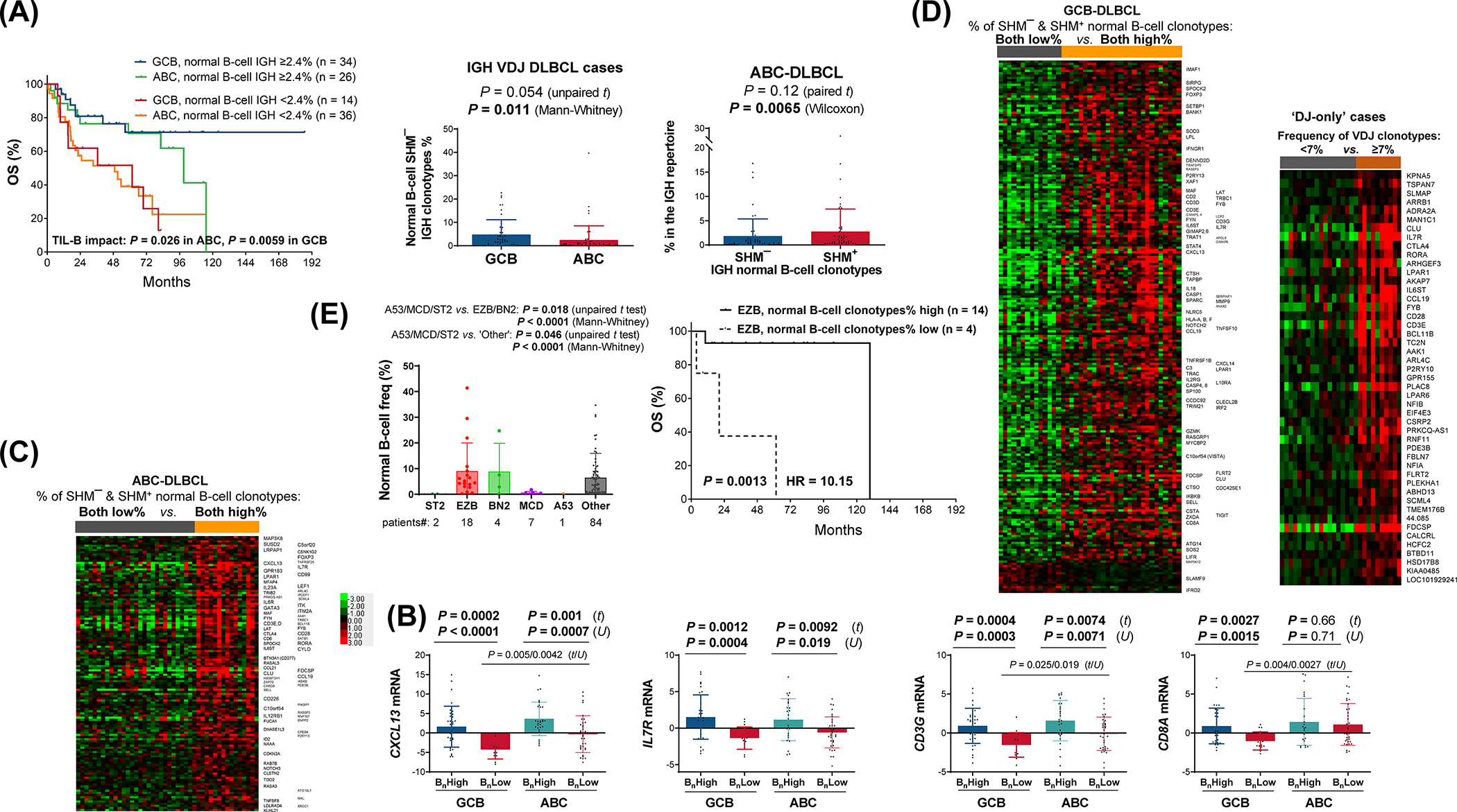
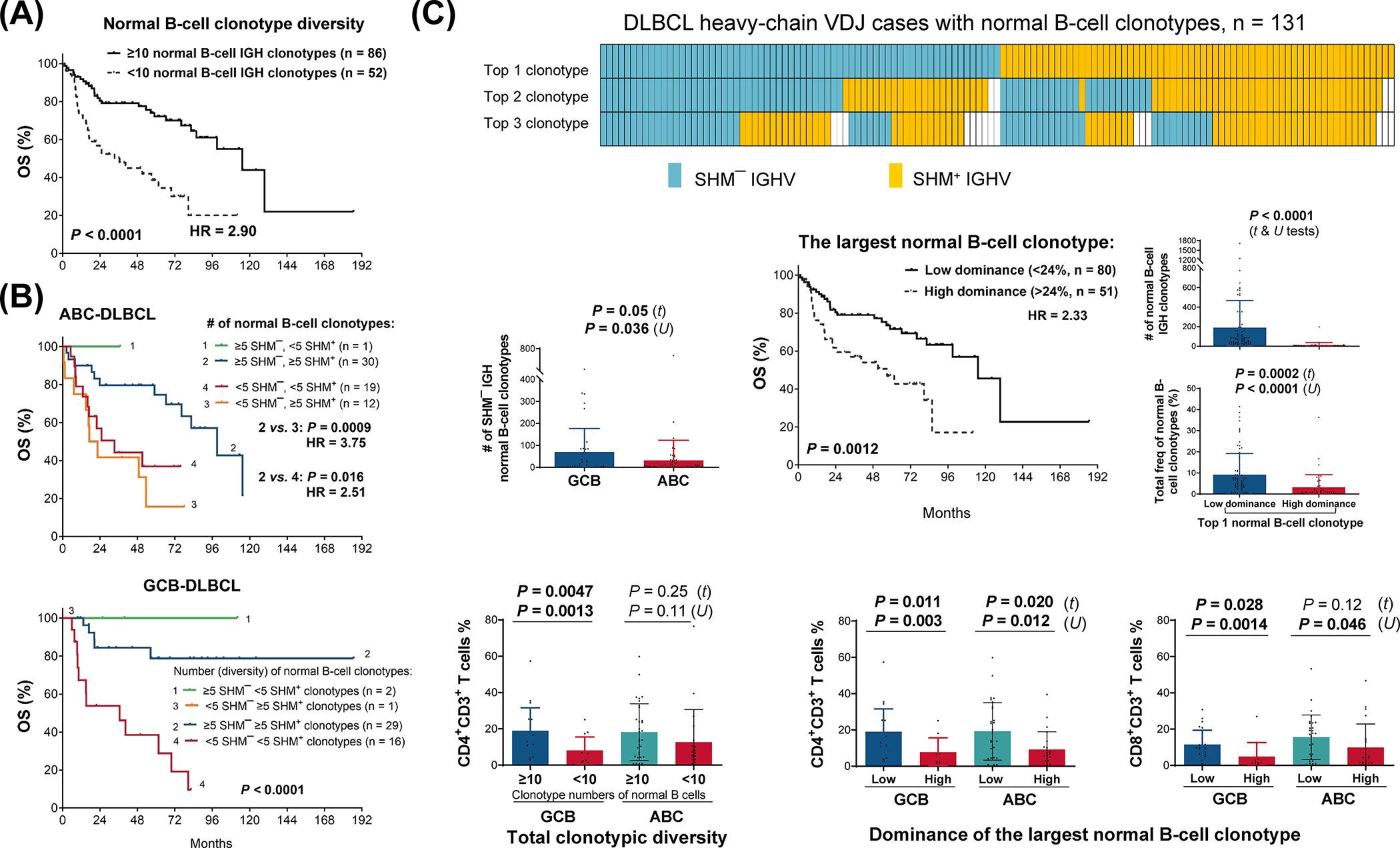
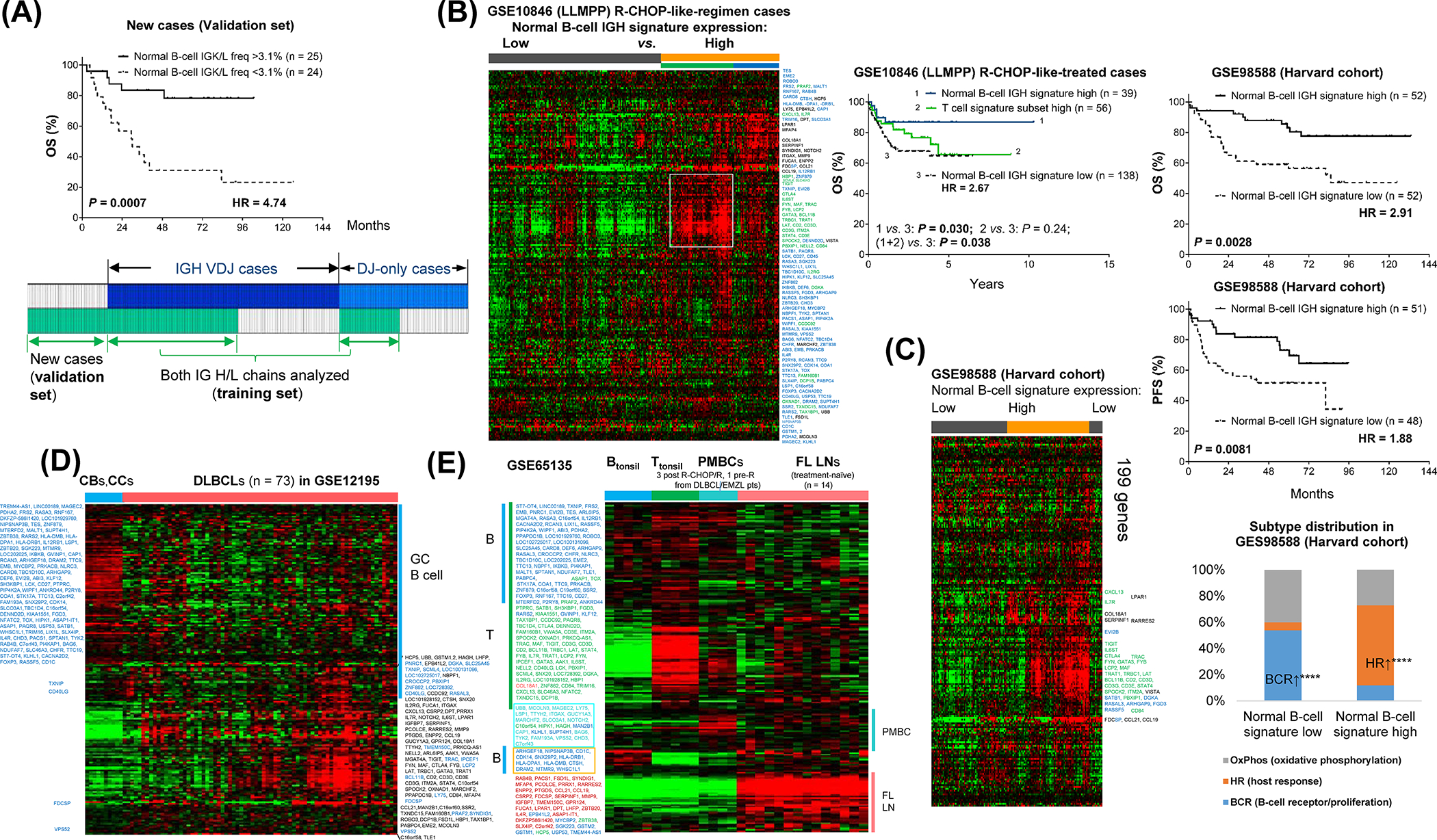
Results: TIL-B abundance, evaluated by frequencies of normal B-cell clonotypes in the immunoglobulin repertoires, remarkably showed positive associations with significantly better survival of patients in our sequenced cohorts. DLBCLs with high versus low TIL-B abundance displayed distinct GEP signatures, increased pre-memory B-cell state and naïve CD4 T-cell state fractions, and higher CD4+ T-cell infiltration. TIL-B frequency, as a new biomarker in DLBCL, outperformed the germinal center (GC) B-cell-like/activated B-cell-like classification and TIL-T frequency. The identified TIL-B-high GEP signature, including genes upregulated during T-dependent B-cell activation and those highly expressed in normal GC B cells and T cells, showed significant favorable prognostic effects in several external validation cohorts.
Conclusions: TIL-B frequency is a significant prognostic factor in DLBCL and plays a crucial role in antitumor immune responses. This study provides novel insights into the prognostic determinants in DLBCL and TIL-B functions with important therapeutic implications.
©2023 American Association for Cancer Research.
Conflict of interest statement
Authors’ Disclosure
T.S. and I.K. were employees of Adaptive Biotechnologies during their contributions to this research. QA is an employee of NeoGenomics Laboratories, Inc..
Other authors declare no potential conflicts of interest.
Figures
References
-
- Murphy K, Weaver C Janeway’s Immunobiology, Tenth Edition. New York, W. W. Norton & Company; 2022.
-
- Abbas AK, Lichtman AH, Pillai S. Cellular and Molecular Immunology, Tenth Edition. Philadelphia, PA: Elsevier; 2022.
-
- Fridman WH, Meylan M, Petitprez F, Sun CM, Italiano A, Sautès-Fridman C. B cells and tertiary lymphoid structures as determinants of tumour immune contexture and clinical outcome. Nat Rev Clin Oncol 2022;19:441–457. - PubMed
-
- Schumacher TN, Thommen DS. Tertiary lymphoid structures in cancer. Science 2022;375:eabf9419. - PubMed
Publication types
MeSH terms
Substances
Grants and funding
LinkOut - more resources
Full Text Sources
Research Materials
Miscellaneous