ATM Mutations Associate with Distinct Co-Mutational Patterns and Therapeutic Vulnerabilities in NSCLC
- PMID: 37733794
- PMCID: PMC10690143
- DOI: 10.1158/1078-0432.CCR-23-1122
ATM Mutations Associate with Distinct Co-Mutational Patterns and Therapeutic Vulnerabilities in NSCLC
Abstract
Purpose: Ataxia-telangiectasia mutated (ATM) is the most frequently mutated DNA damage repair gene in non-small cell lung cancer (NSCLC). However, the molecular correlates of ATM mutations and their clinical implications have not been fully elucidated.
Experimental design: Clinicopathologic and genomic data from 26,587 patients with NSCLC from MD Anderson, public databases, and a de-identified nationwide (US-based) NSCLC clinicogenomic database (CGDB) were used to assess the co-mutation landscape, protein expression, and mutational processes in ATM-mutant tumors. We used the CGDB to evaluate ATM-associated outcomes in patients treated with immune checkpoint inhibitors (ICI) with or without chemotherapy, and assessed the effect of ATM loss on STING signaling and chemotherapy sensitivity in preclinical models.
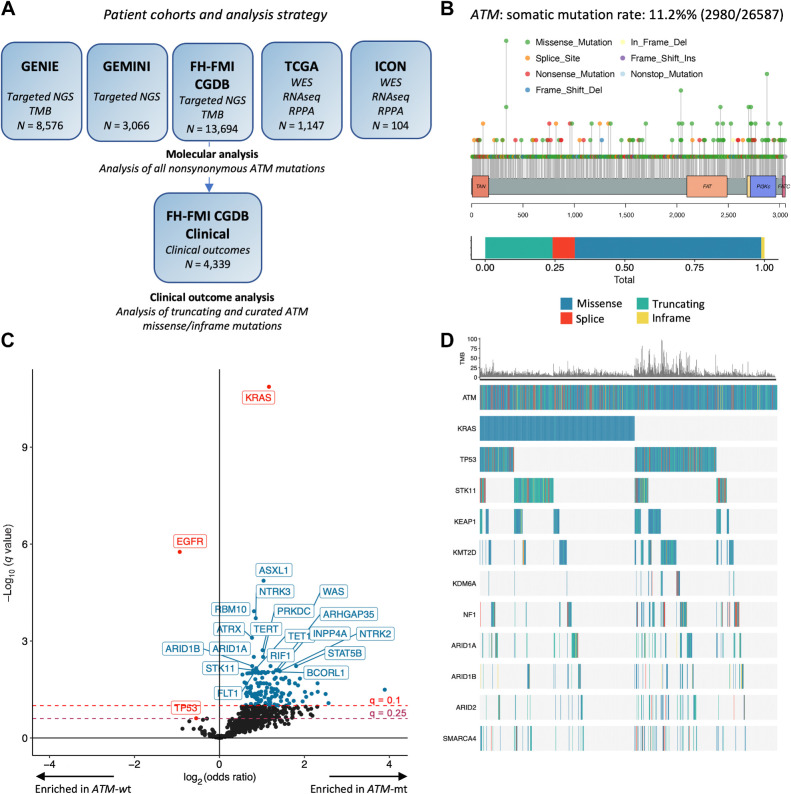
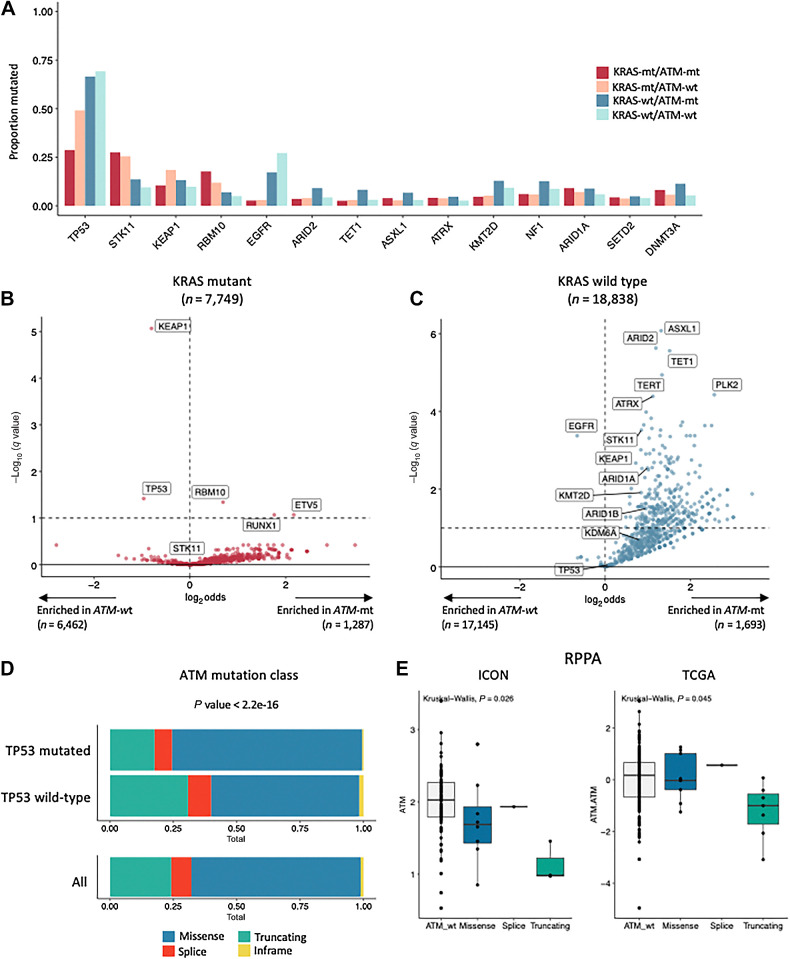
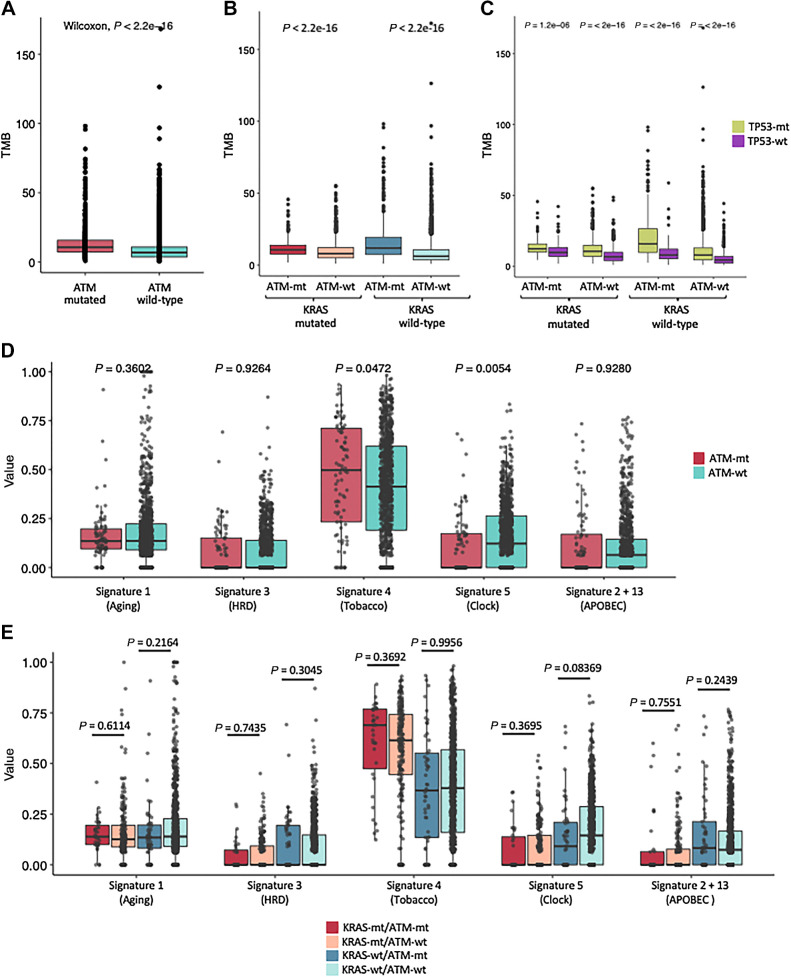
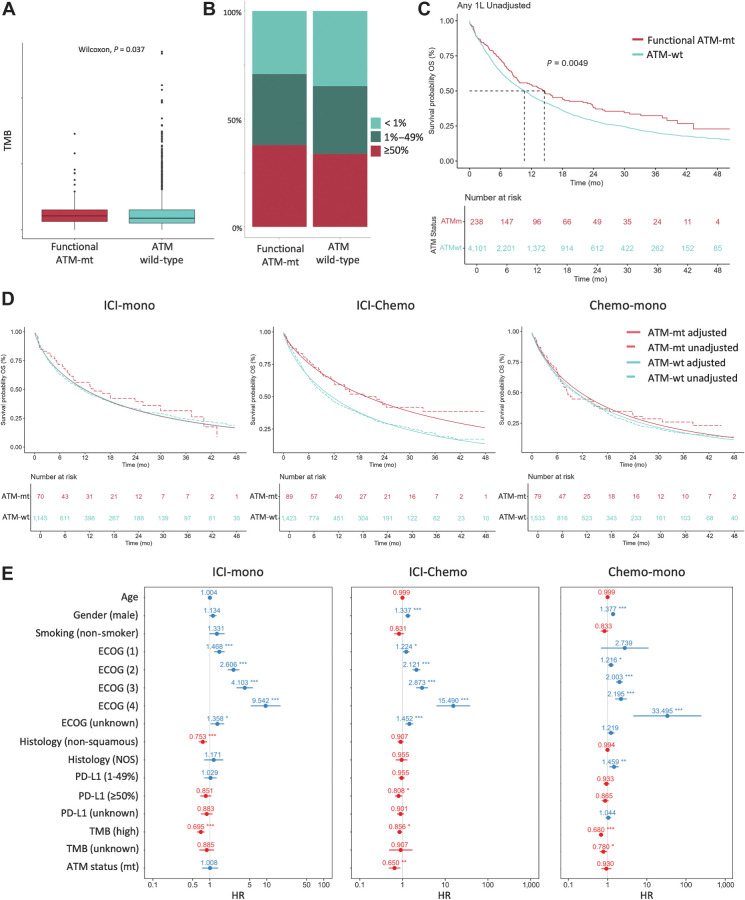
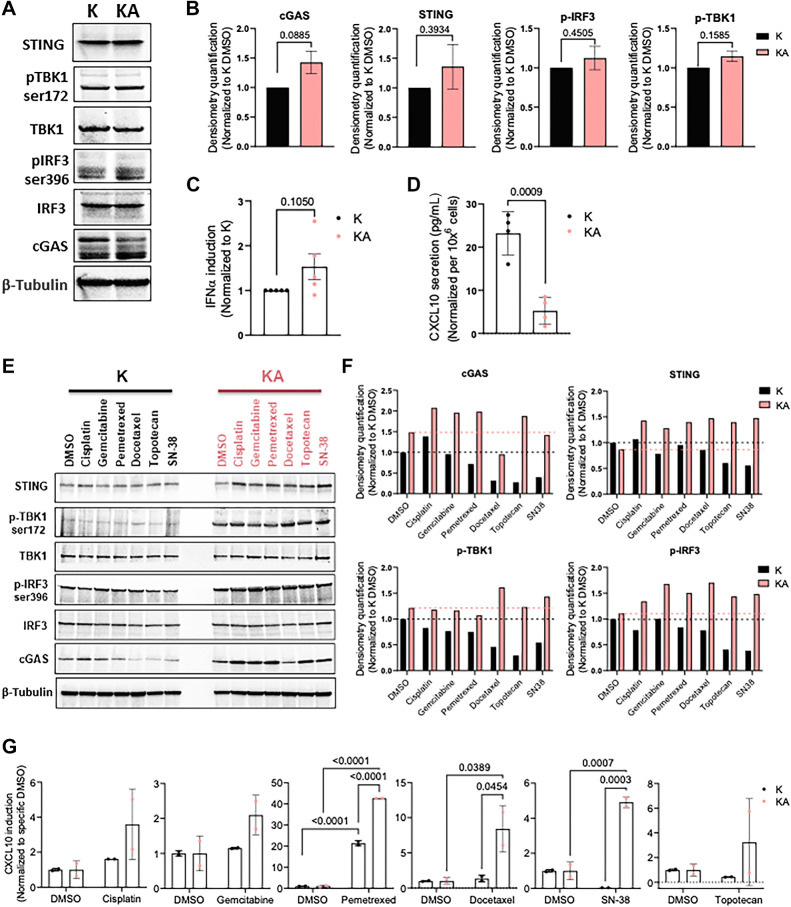
Results: Nonsynonymous mutations in ATM were observed in 11.2% of samples (2,980/26,587) and were significantly associated with mutations in KRAS, but mutually exclusive with EGFR (q < 0.1). KRAS mutational status constrained the ATM co-mutation landscape, with strong mutual exclusivity with TP53 and KEAP1 within KRAS-mutated samples. Those ATM mutations that co-occurred with TP53 were more likely to be missense mutations and associate with high mutational burden, suggestive of non-functional passenger mutations. In the CGDB cohort, dysfunctional ATM mutations associated with improved OS only in patients treated with ICI-chemotherapy, and not ICI alone. In vitro analyses demonstrated enhanced upregulation of STING signaling in ATM knockout cells with the addition of chemotherapy.
Conclusions: ATM mutations define a distinct subset of NSCLC associated with KRAS mutations, increased TMB, decreased TP53 and EGFR co-occurrence, and potential increased sensitivity to ICIs in the context of DNA-damaging chemotherapy.
©2023 The Authors; Published by the American Association for Cancer Research.
Figures
References
-
- Lavin MF. Ataxia-telangiectasia: from a rare disorder to a paradigm for cell signalling and cancer. Nat Rev Mol Cell Biol 2008;9:759–69. - PubMed
-
- Taylor AMR, Harnden DG, Arlett CF, Harcourt SA, Lehmann AR, Stevens S, et al. Ataxia telangiectasia: a human mutation with abnormal radiation sensitivity. Nature 1975;258:427–9. - PubMed
-
- Lavin MF, Shiloh Y. The genetic defect in ataxia-telangiectasia. Annu Rev Immunol 1997;15:177–202. - PubMed
Publication types
MeSH terms
Substances
Grants and funding
LinkOut - more resources
Full Text Sources
Medical
Research Materials
Miscellaneous