


Effects of permissive hypercapnia on intraoperative cerebral oxygenation and early postoperative cognitive function in older patients with non-acute fragile brain function undergoing laparoscopic colorectal surgery: protocol study
- PMID: 37735369
- PMCID: PMC10512528
- DOI: 10.1186/s12877-023-04125-4
Effects of permissive hypercapnia on intraoperative cerebral oxygenation and early postoperative cognitive function in older patients with non-acute fragile brain function undergoing laparoscopic colorectal surgery: protocol study
Abstract
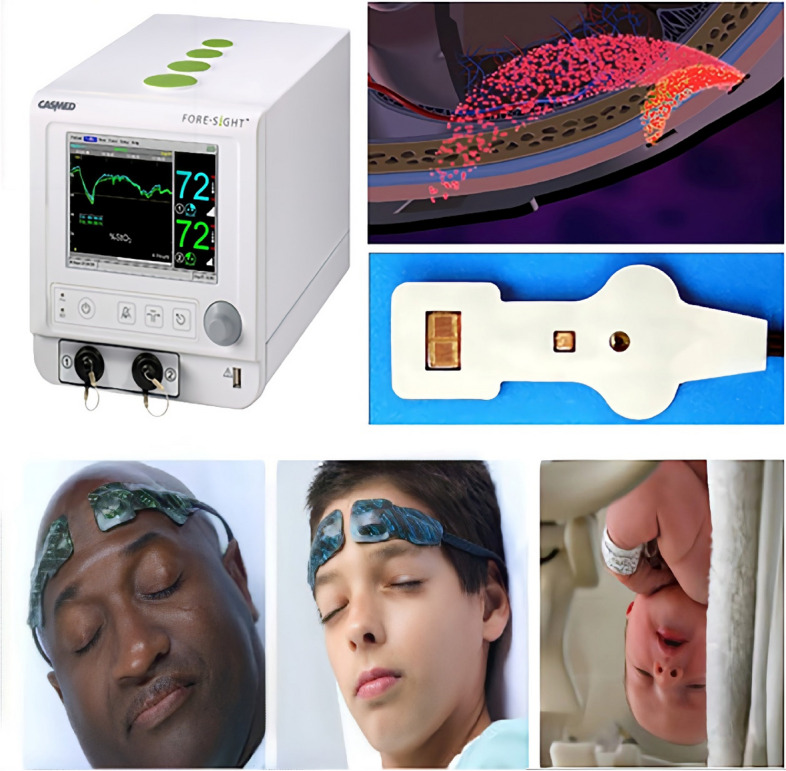
Background: Perioperative brain protection in older patients has been the focus of research recently; meanwhile, exploring the relationship between regional cerebral oxygen saturation (rSO2) and brain function in the perioperative period has been an emerging and challenging area-the difficulties related to the real-time monitoring of rSO2 and the choice of feasible interventions. As an advanced instrument for intraoperative rSO2 monitoring, the clinical application of near-infrared spectrum (NIRS) cerebral oxygen monitoring has gradually increased in popularity and is being recognized for its beneficial clinical outcomes in patients undergoing cardiac and noncardiac surgery. In addition, although sufficient evidence to support this hypothesis is still lacking, the effect of permissive hypercapnia (PHC) on rSO2 has expanded from basic research to clinical exploration. Therefore, monitoring intraoperative rSO2 in older patients with NIRS technology and exploring possible interventions that may change rSO2 and even improve postoperative cognitive performance is significant and clinically valuable.
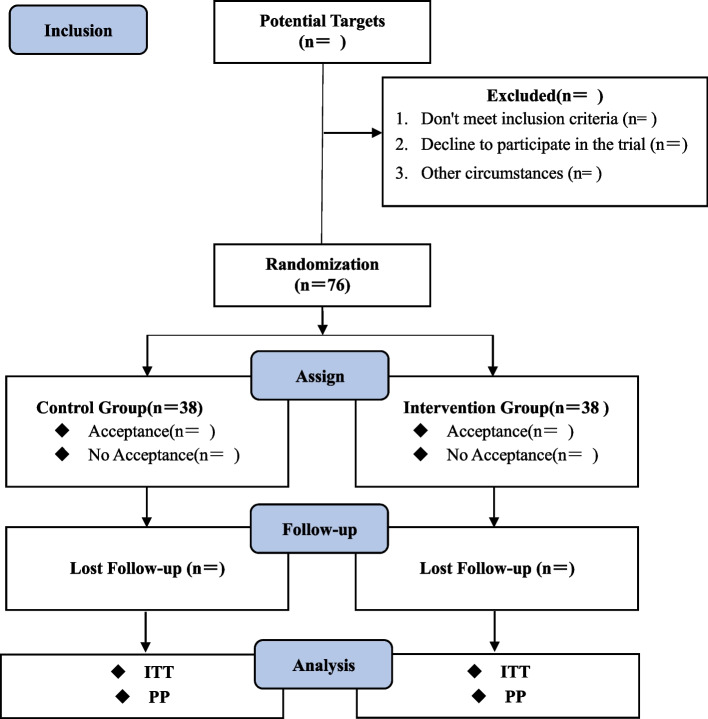
Methods: This study is a single-center randomized controlled trial (RCT). 76 older patients are enrolled as subjects. Patients who meet the screening criteria will be randomly assigned 1:1 to the control and intervention groups. PHC-based mechanical ventilation will be regarded as an intervention. The primary outcome is the absolute change in the percent change in rSO2 from baseline to the completion of surgery in the intervention and control groups. Secondary outcomes mainly include observations of intraoperative cerebral oxygenation and metabolism, markers of brain injury, and assessments of patients' cognitive function using scale through postoperative follow-up.
Discussion: The findings of this RCT will reveal the effect of PHC on intraoperative rSO2 in older patients with nonacute fragile brain function (NFBF) and the approximate trends over time, and differences in postoperative cognitive function outcomes. We anticipate that the trial results will inform clinical policy decision-makers in clinical practice, enhance the management of intraoperative cerebral oxygen monitoring in older patients with comorbid NFBF, and provide guidance for clinical brain protection and improved postoperative cognitive function outcomes.
Trial registration: ChiCTR, ChiCTR2200062093, Registered 9/15/2022.
Keywords: Near-infrared spectrum; Nonacute fragile brain function; Older patients; Perioperative neurocognitive disorders; Permissive hypercapnia; Randomized controlled trial; Regional cerebral oxygen saturation.
© 2023. BioMed Central Ltd., part of Springer Nature.
Conflict of interest statement
The authors declare that they have no competing interests.
Figures
References
-
- Bigatello LM, Patroniti N, Sangalli F. Permissive hypercapnia. Curr Opin Crit Care. 2001;7(1):34–40. - PubMed
-
- Beaudin AE, et al. Cerebral and myocardial blood flow responses to hypercapnia and hypoxia in humans. Am J Physiol Heart Circul Physiol. 2011;301(4):H1678–H1686. - PubMed
-
- Li A-M, et al. Effects of therapeutic hypercapnia on inflammation and apoptosis after hepatic ischemia-reperfusion injury in rats. Chin Med J. 2010;123(16):2254–2258. - PubMed
-
- Laffey JG, et al. Effects of therapeutic hypercapnia on mesenteric ischemia-reperfusion injury. Am J Respir Crit Care Med. 2003;168(11):1383–1390. - PubMed
-
- Laffey JG, et al. Hypercapnic acidosis attenuates endotoxin-induced acute lung injury. Am J Respir Crit Care Med. 2004;169(1):46–56. - PubMed
Publication types
MeSH terms
Substances
LinkOut - more resources
Full Text Sources
Research Materials
