


Identification of memory B-cell-associated miRNA signature to establish a prognostic model in gastric adenocarcinoma
- PMID: 37735667
- PMCID: PMC10515266
- DOI: 10.1186/s12967-023-04366-2
Identification of memory B-cell-associated miRNA signature to establish a prognostic model in gastric adenocarcinoma
Abstract
Background: Memory B cells and microRNAs (miRNAs) play important roles in the progression of gastric adenocarcinoma (GAC), also known as stomach adenocarcinoma (STAD). However, few studies have investigated the use of memory B-cell-associated miRNAs in predicting the prognosis of STAD.
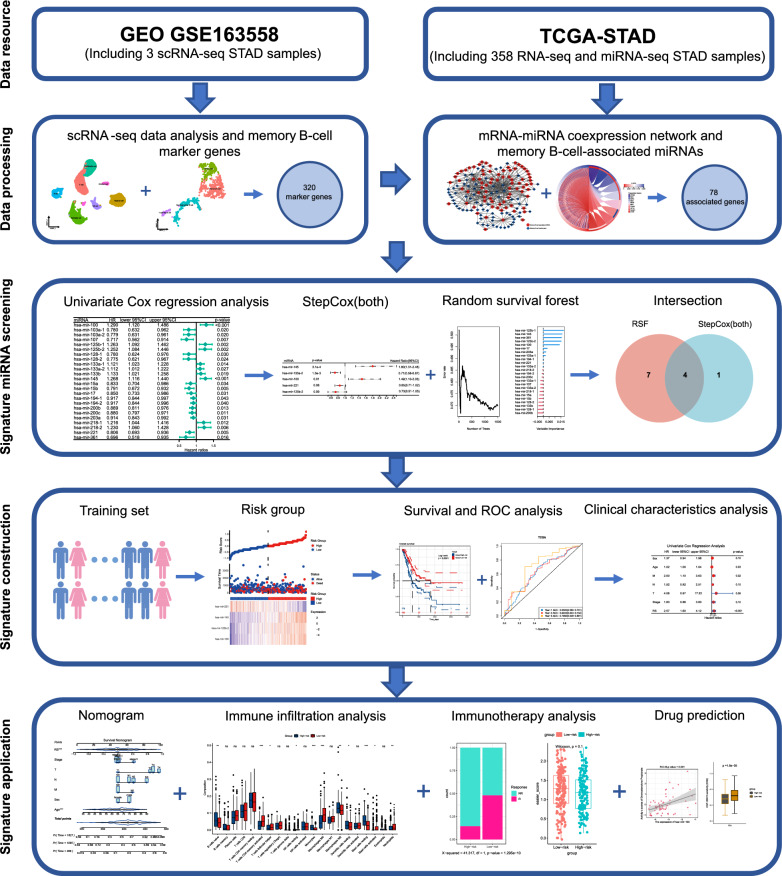
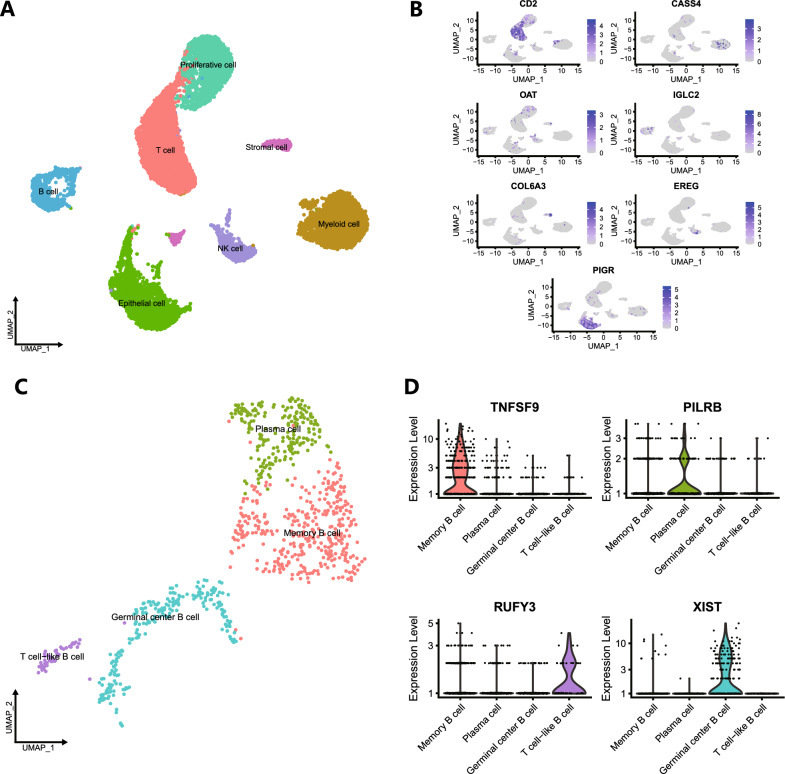
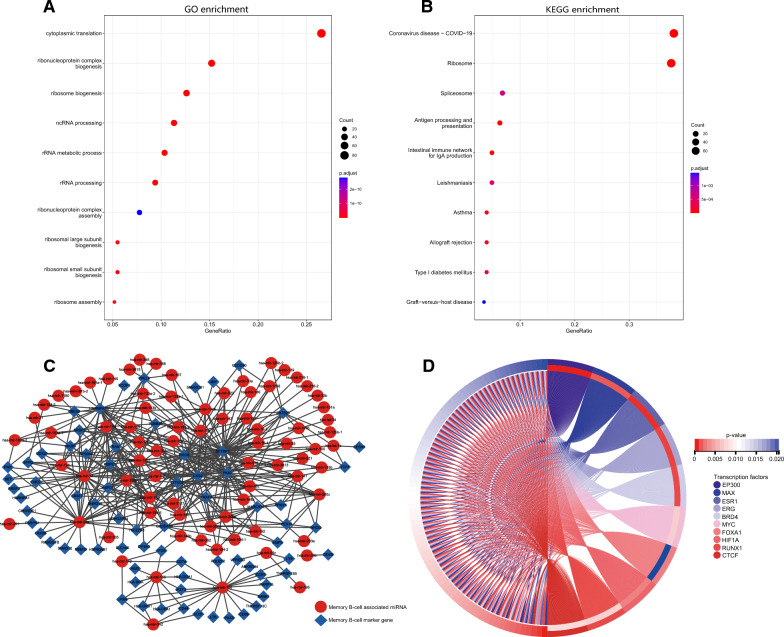
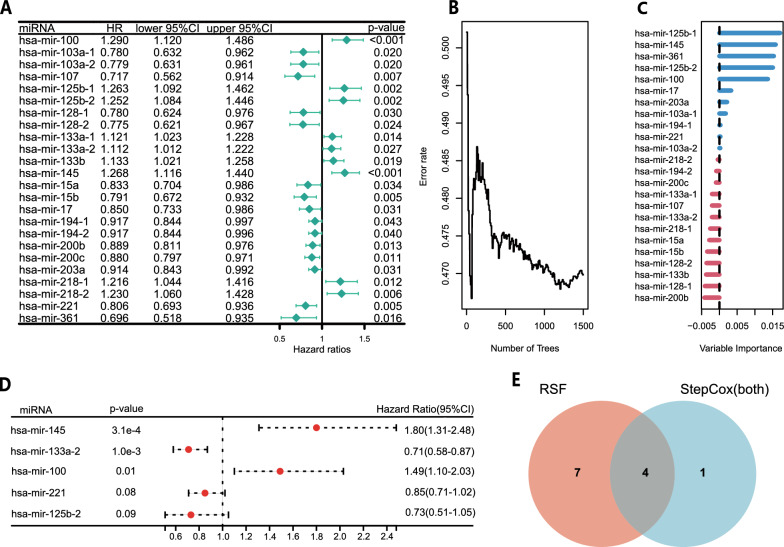
Methods: We identified the marker genes of memory B cells by single-cell RNA sequencing (scRNA-seq) and identified the miRNAs associated with memory B cells by constructing an mRNA‒miRNA coexpression network. Then, univariate Cox, random survival forest (RSF), and stepwise multiple Cox regression (StepCox) algorithms were used to identify memory B-cell-associated miRNAs that were significantly related to overall survival (OS). A prognostic risk model was constructed and validated using these miRNAs, and patients were divided into a low-risk group and a high-risk group. In addition, the differences in clinicopathological features, tumour microenvironment, immune blocking therapy, and sensitivity to anticancer drugs in the two groups were analysed.
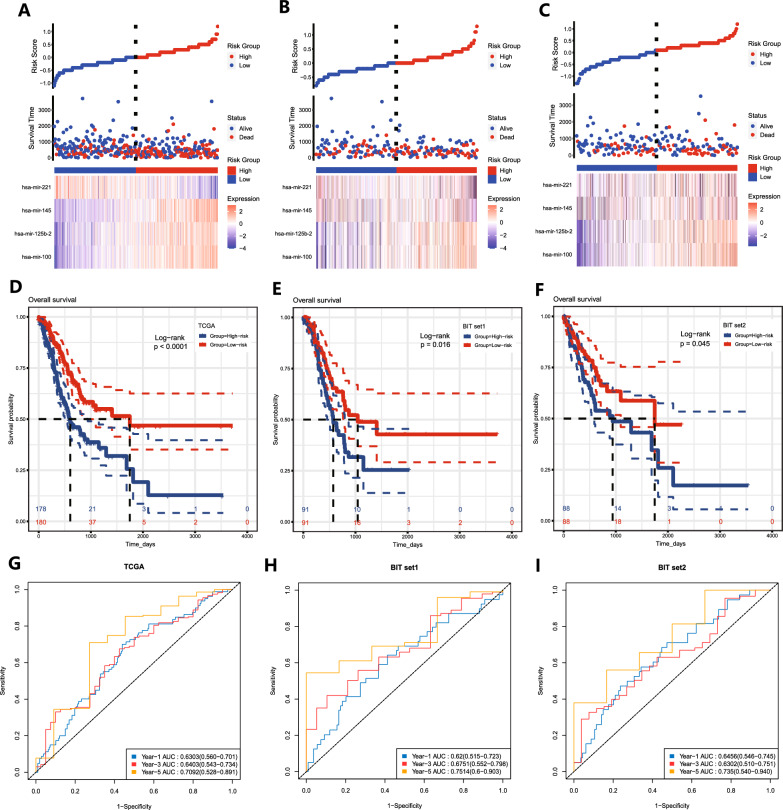
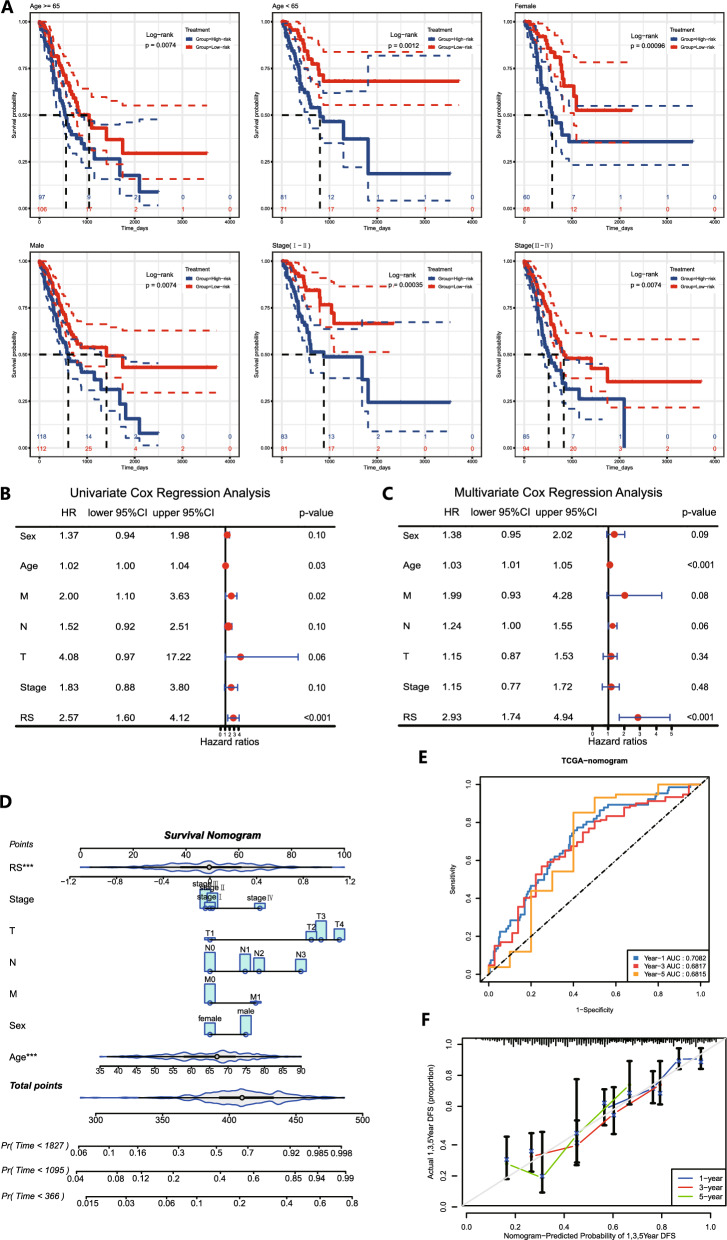
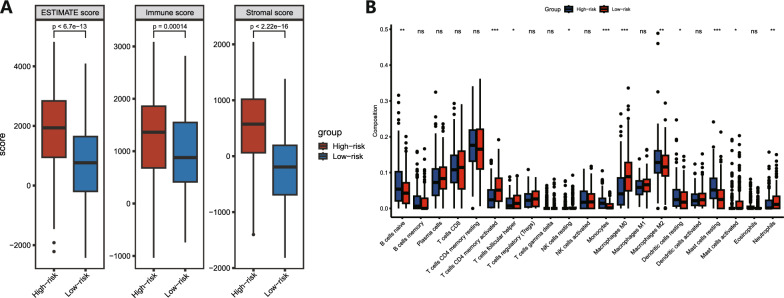
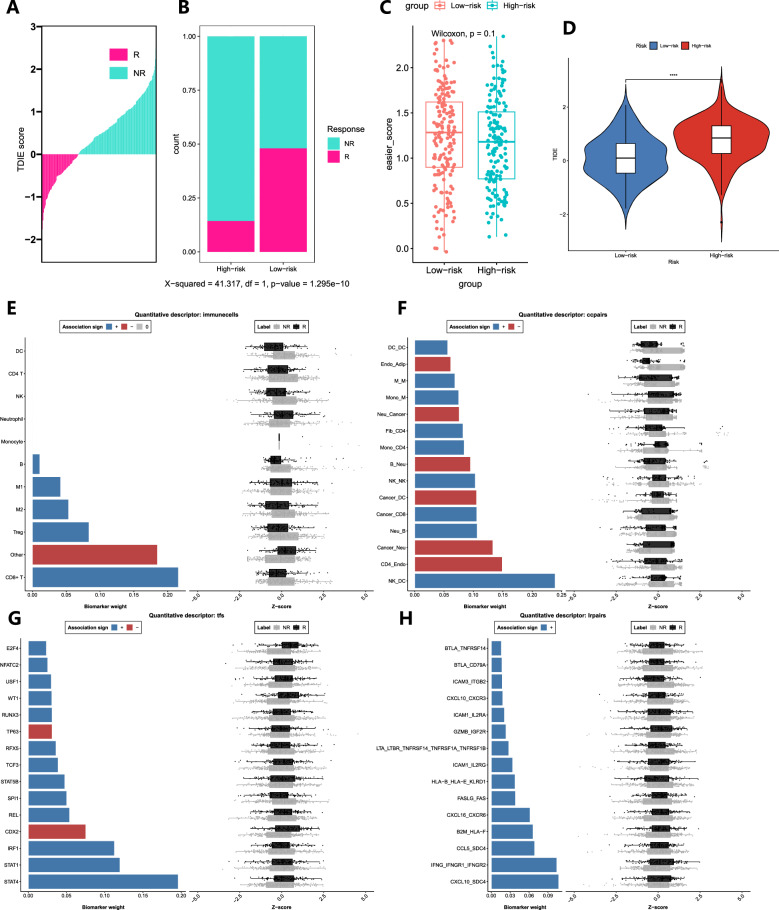
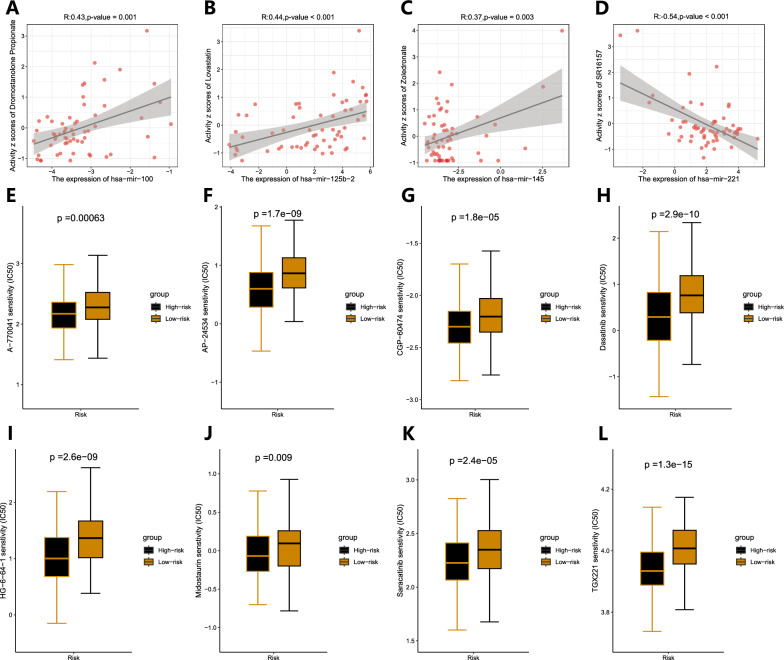
Results: Four memory B-cell-associated miRNAs (hsa-mir-145, hsa-mir-125b-2, hsa-mir-100, hsa-mir-221) with significant correlations to OS were identified and used to construct a prognostic model. Time-dependent receiver operating characteristic (ROC) curve analysis confirmed the feasibility of the model. Kaplan‒Meier (K‒M) survival curve analysis showed that the prognosis was poor in the high-risk group. Comprehensive analysis showed that patients in the high-risk group had higher immune scores, matrix scores, and immune cell infiltration and a poor immune response. In terms of drug screening, we predicted eight drugs with higher sensitivity in the high-risk group, of which CGP-60474 was associated with the greatest sensitivity.
Conclusions: In summary, we identified memory B-cell-associated miRNA prognostic features and constructed a novel risk model for STAD based on scRNA-seq data and bulk RNA-seq data. Among patients in the high-risk group, STAD showed the highest sensitivity to CGP-60474. This study provides prognostic insights into individualized and precise treatment for STAD patients.
© 2023. BioMed Central Ltd., part of Springer Nature.
Conflict of interest statement
The authors declare that they have no competing interests.
Figures
References
-
- Sung H, Ferlay J, Siegel RL, Laversanne M, Soerjomataram I, Jemal A, et al. Global cancer statistics 2020: GLOBOCAN estimates of Incidence and mortality Worldwide for 36 cancers in 185 countries. CA Cancer J Clin. 2021;71(3):209–249. - PubMed
-
- Ajani JA, Lee J, Sano T, Janjigian YY, Fan D, Song S. Gastric adenocarcinoma. Nat Rev Dis Primers. 2017;3:17036. - PubMed
-
- Chia NY, Tan P. Molecular classification of gastric cancer. Ann Oncol. 2016;27(5):763–769. - PubMed
-
- Gastric Cancer Association CA-CA Chinese expert consensus on perioperative treatment of locally advanced gastric cancer (2021 version) Zhonghua Wei Chang Wai Ke Za Zhi. 2021;24(9):741–748. - PubMed
Publication types
MeSH terms
Substances
LinkOut - more resources
Full Text Sources
