


LncRNA MSTRG.22719.16 mediates the reduction of enoxaparin sodium high-viscosity bone cement-induced thrombosis by targeting the ocu-miR-326-5p/CD40 axis
- PMID: 37736740
- PMCID: PMC10514947
- DOI: 10.1186/s13018-023-04109-5
LncRNA MSTRG.22719.16 mediates the reduction of enoxaparin sodium high-viscosity bone cement-induced thrombosis by targeting the ocu-miR-326-5p/CD40 axis
Abstract
Objective: Polymethylmethacrylate (PMMA) bone cement promotes the development of local thrombi. Our study found that a novel material, ES-PMMA bone cement, can reduce local thrombosis. We used a simple and reproducible animal model to confirm the reduction in local thrombosis and explored the associated molecular mechanism.
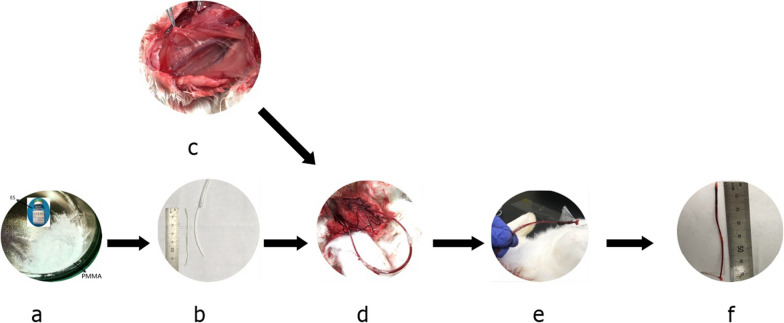
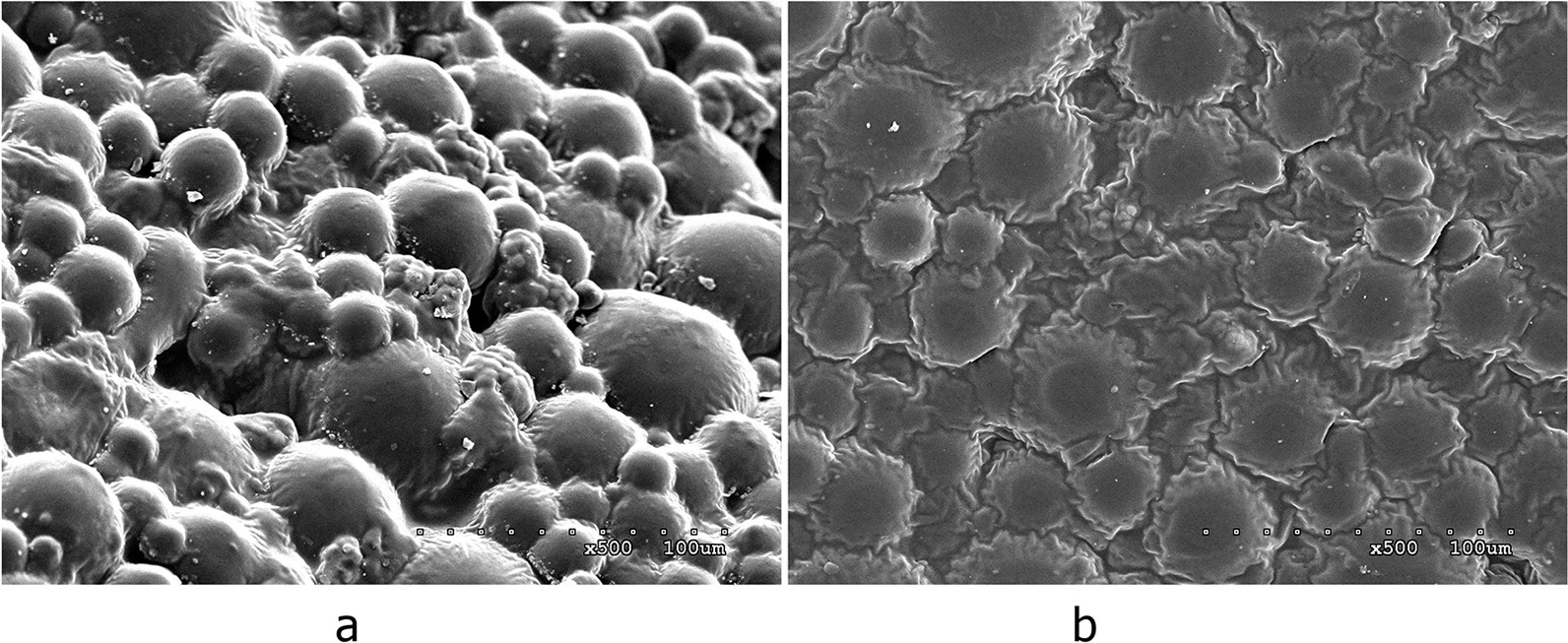
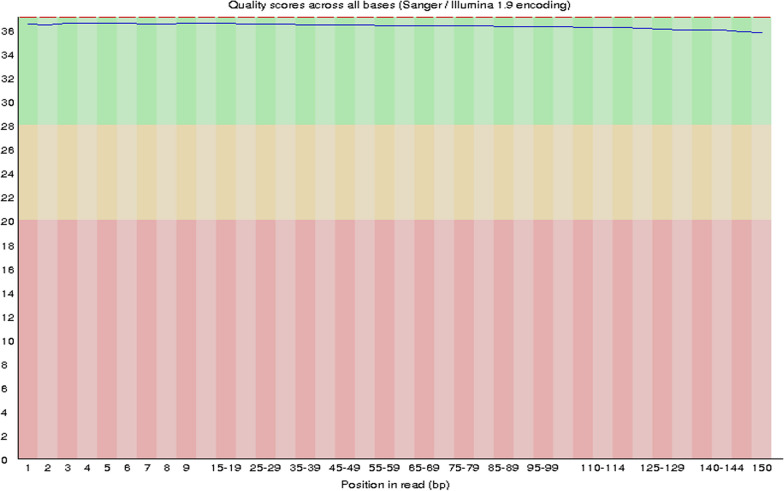
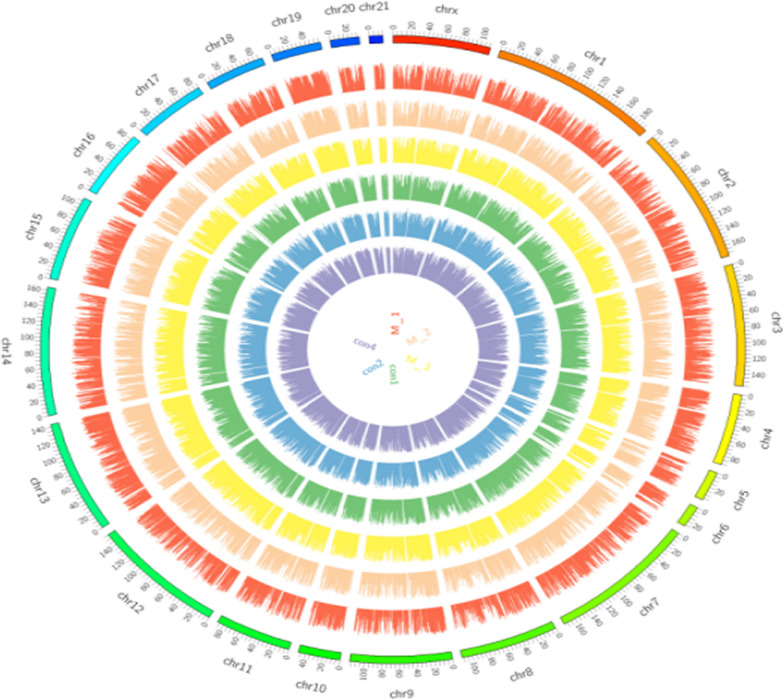
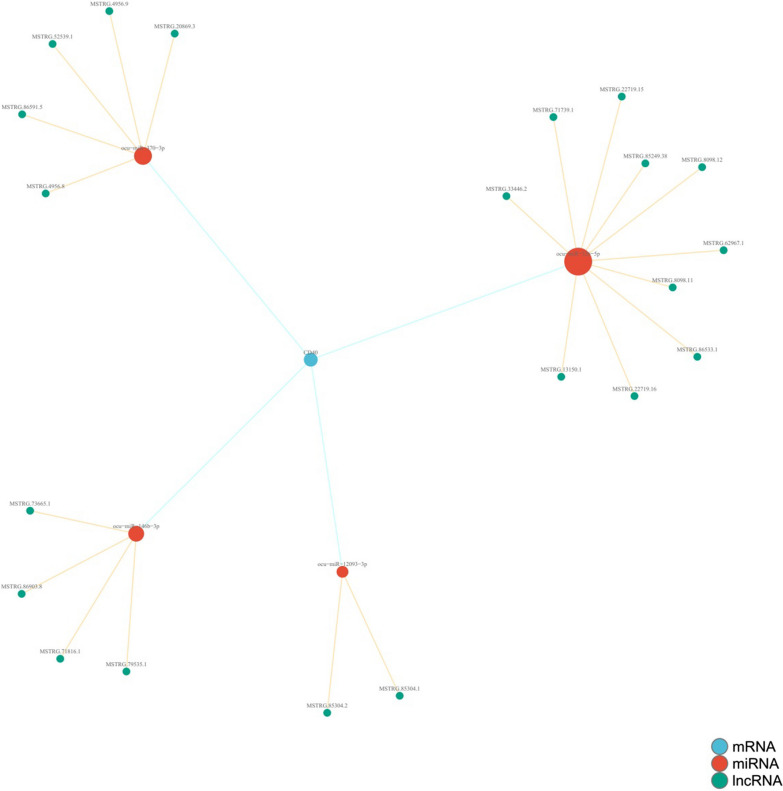
Methods: New Zealand rabbits, which were used to model thrombosis using extracorporeal carotid artery shunts, were divided into the following two groups, with 3 rabbits in each group: the PMMA bone cement group and the ES-PMMA bone cement group. Four hours after modelling, experimental samples, including thrombotic and vascular tissues, were collected. Thrombotic samples from the PMMA group and ES-PMMA group were subjected to lncRNA sequencing, and a lncRNA microarray was used to screen the differentially expressed lncRNAs. The expression of thrombomodulin in endothelial cells was quantified in vascular tissue samples. Differences in the lncRNA expression profiles between the thrombotic samples of the PMMA group and ES-PMMA group were assessed by base-to-base alignment in the intergenic regions of genomes. The lncRNA-miRNA-mRNA competitive endogenous RNA (ceRNA) network was established in light of ceRNA theory. Thrombosis was observed in the PMMA group and ES-PMMA group.
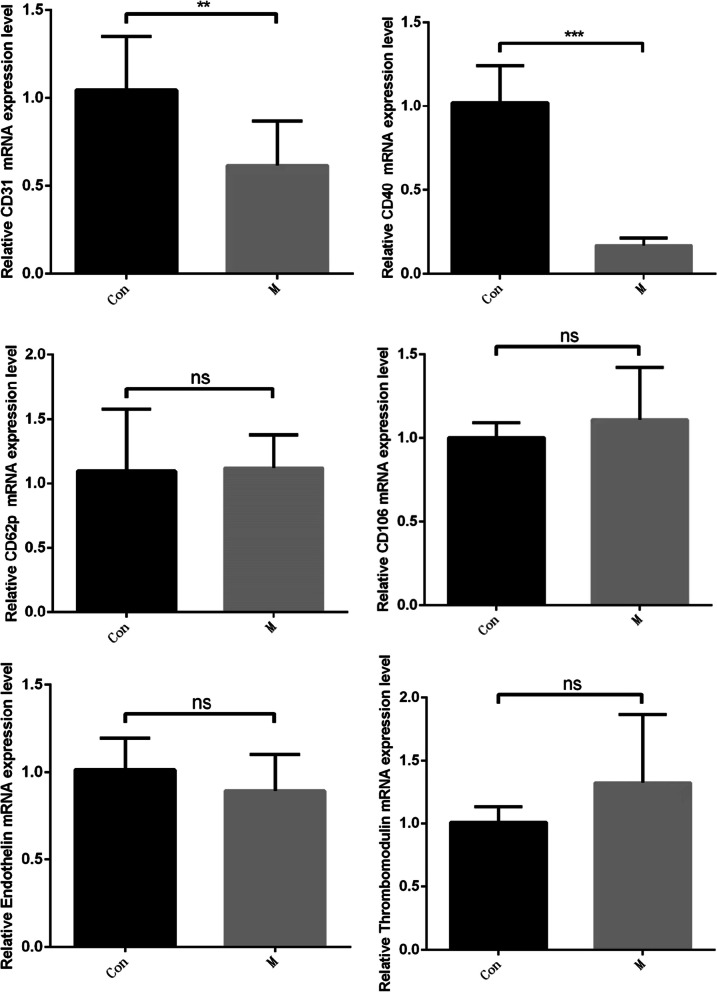
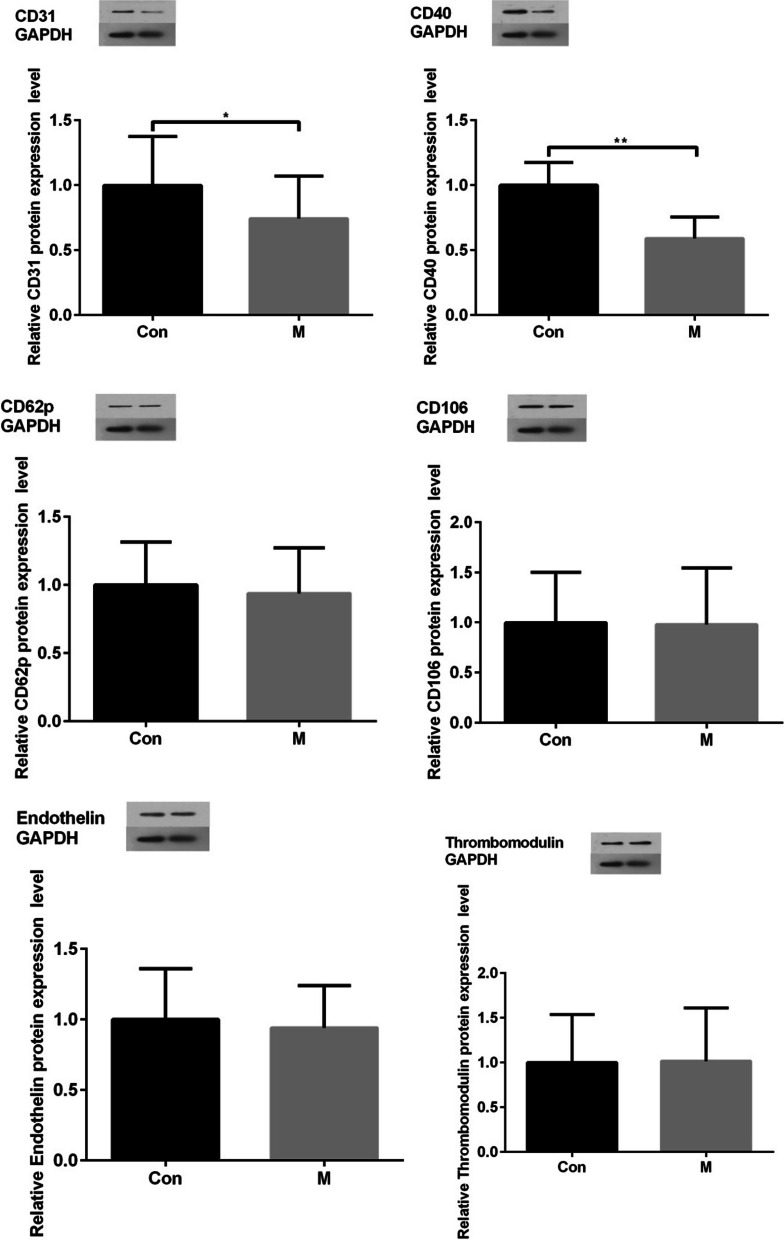
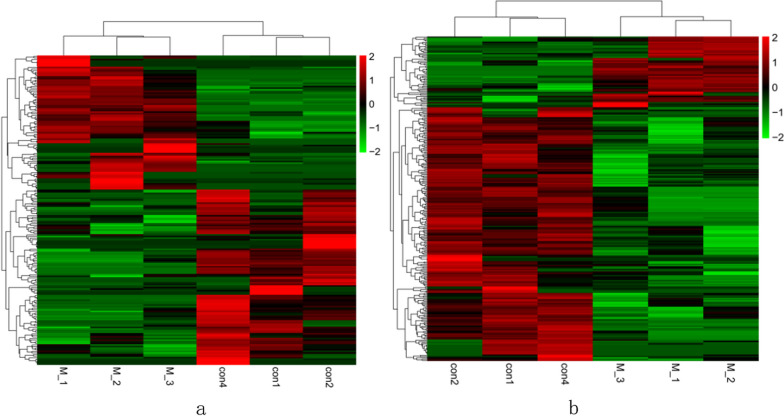
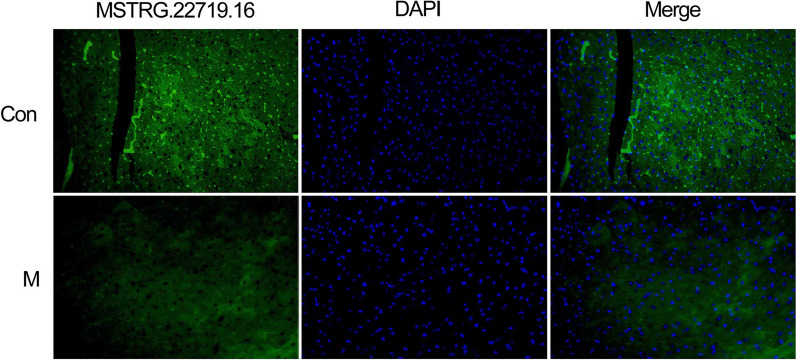
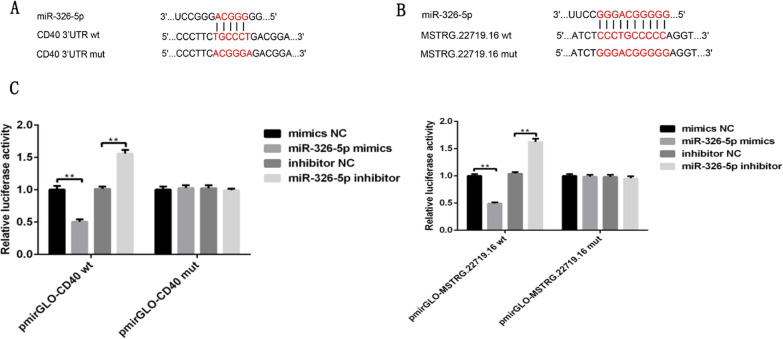
Results: The thrombotic weight was 0.00706 ± 0.00136 g/cm in the PMMA group and 0.00551 ± 0.00115 g/cm in the ES-PMMA group. Quantitative real-time polymerase chain reaction (RT-q-CR) and Western blotting revealed that the expression of CD40, which can regulate thrombosis in vascular endothelial cells, was significantly lower in the ES-PMMA group than in the PMMA group. High-throughput sequencing was used to identify 111 lncRNAs with lower expression in the ES-PMMA group than in the PMMA group. Through bioinformatics investigation, lncRNA MSTRG22719.16/ocu-miR-326-5p/CD40 binding sites were selected. Fluorescent in situ RNA hybridization (FISH) was performed to verify the lower expression of lncRNA MSTRG.22719.16 in vascular tissues from the ES-PMMA group. A dual-luciferase reporter gene assay was applied to verify that ocu-miR-326-5p binds the CD40 3'-UTR and targets lncRNA MSTRG.22719.16.
Conclusion: Compared with PMMA bone cement, ES-PMMA bone cement can reduce thrombosis through the lncRNA MSTRG.22719.16/ocu-miR-326-5p/CD40 axis.
Keywords: CeRNA; Endothelial cells; Enoxaparin sodium; High-throughput RNA sequencing; Thrombosis.
© 2023. BioMed Central Ltd., part of Springer Nature.
Conflict of interest statement
This material has not been published and is not under consideration elsewhere. The authors declare that they have no competing interests. All authors have read and contributed to the submitted manuscript, and there is no competing interests among the authors.
Figures
References
-
- Kaufmann KB, Baar W, Rexer J, et al. Evaluation of hemodynamic goal-directed therapy to reduce the incidence of bone cement implantation syndrome in patients undergoing cemented hip arthroplasty - a randomized parallel-arm trial. BMC Anesthesiol. 2018;18(1):63. doi: 10.1186/s12871-018-0526-4. - DOI - PMC - PubMed
Publication types
MeSH terms
Substances
Grants and funding
LinkOut - more resources
Full Text Sources
Research Materials
