


Circulating metabolic signatures of rapid and slow progression to type 1 diabetes in islet autoantibody-positive children
- PMID: 37745723
- PMCID: PMC10516565
- DOI: 10.3389/fendo.2023.1211015
Circulating metabolic signatures of rapid and slow progression to type 1 diabetes in islet autoantibody-positive children
Abstract
Aims/hypothesis: Appearance of multiple islet cell autoantibodies in early life is indicative of future progression to overt type 1 diabetes, however, at varying rates. Here, we aimed to study whether distinct metabolic patterns could be identified in rapid progressors (RP, disease manifestation within 18 months after the initial seroconversion to autoantibody positivity) vs. slow progressors (SP, disease manifestation at 60 months or later from the appearance of the first autoantibody).
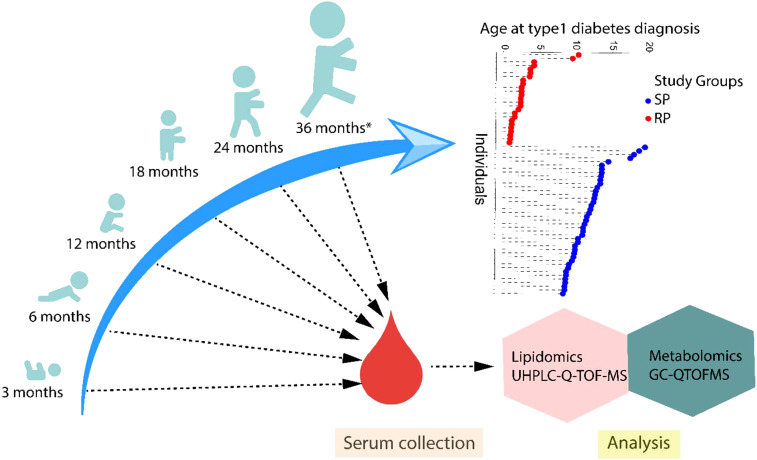
Methods: Longitudinal samples were collected from RP (n=25) and SP (n=41) groups at the ages of 3, 6, 12, 18, 24, or ≥ 36 months. We performed a comprehensive metabolomics study, analyzing both polar metabolites and lipids. The sample series included a total of 239 samples for lipidomics and 213 for polar metabolites.
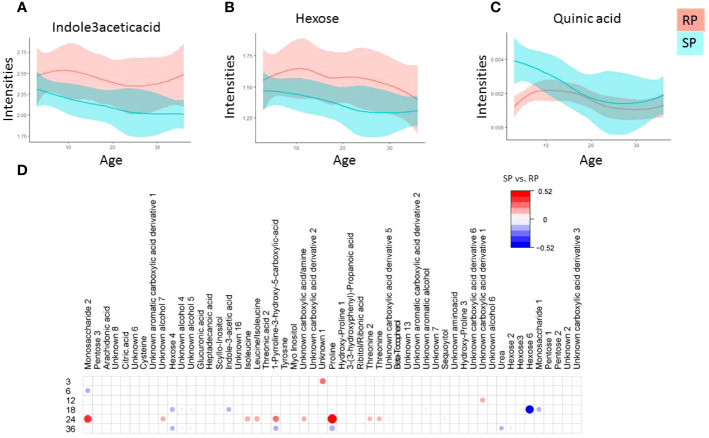
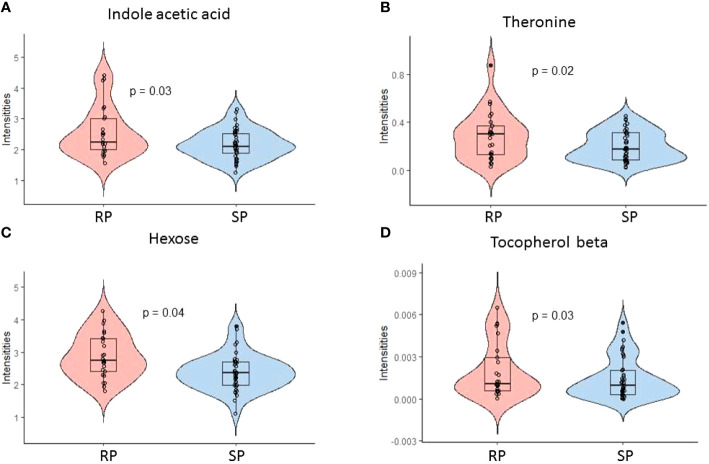
Results: We observed that metabolites mediated by gut microbiome, such as those involved in tryptophan metabolism, were the main discriminators between RP and SP. The study identified specific circulating molecules and pathways, including amino acid (threonine), sugar derivatives (hexose), and quinic acid that may define rapid vs. slow progression to type 1 diabetes. However, the circulating lipidome did not appear to play a major role in differentiating between RP and SP.
Conclusion/interpretation: Our study suggests that a distinct metabolic profile is linked with the type 1 diabetes progression. The identification of specific metabolites and pathways that differentiate RP from SP may have implications for early intervention strategies to delay the development of type 1 diabetes.
Keywords: birth cohort; gut microbial metabolites; lipidomics; metabolomics; type 1 diabetes mellitus.
Copyright © 2023 Lamichhane, Sen, Dickens, Kråkström, Ilonen, Lempainen, Hyöty, Lahesmaa, Veijola, Toppari, Hyötyläinen, Knip and Orešič.
Conflict of interest statement
The authors declare that the research was conducted in the absence of any commercial or financial relationships that could be construed as a potential conflict of interest.
Figures
References
Publication types
MeSH terms
Substances
LinkOut - more resources
Full Text Sources
Medical
