


Virtual embodiment for improving range of motion in patients with movement-related shoulder pain: an experimental study
- PMID: 37752613
- PMCID: PMC10523655
- DOI: 10.1186/s13018-023-04158-w
Virtual embodiment for improving range of motion in patients with movement-related shoulder pain: an experimental study
Abstract
Background: Recent evidence supports the use of immersive virtual reality (VR) as a means of delivering bodily illusions that may have therapeutic potential for the treatment of musculoskeletal conditions. We wanted to investigate whether a single session of an embodiment-based immersive VR training program influences pain-free range of motion in patients with shoulder pain.
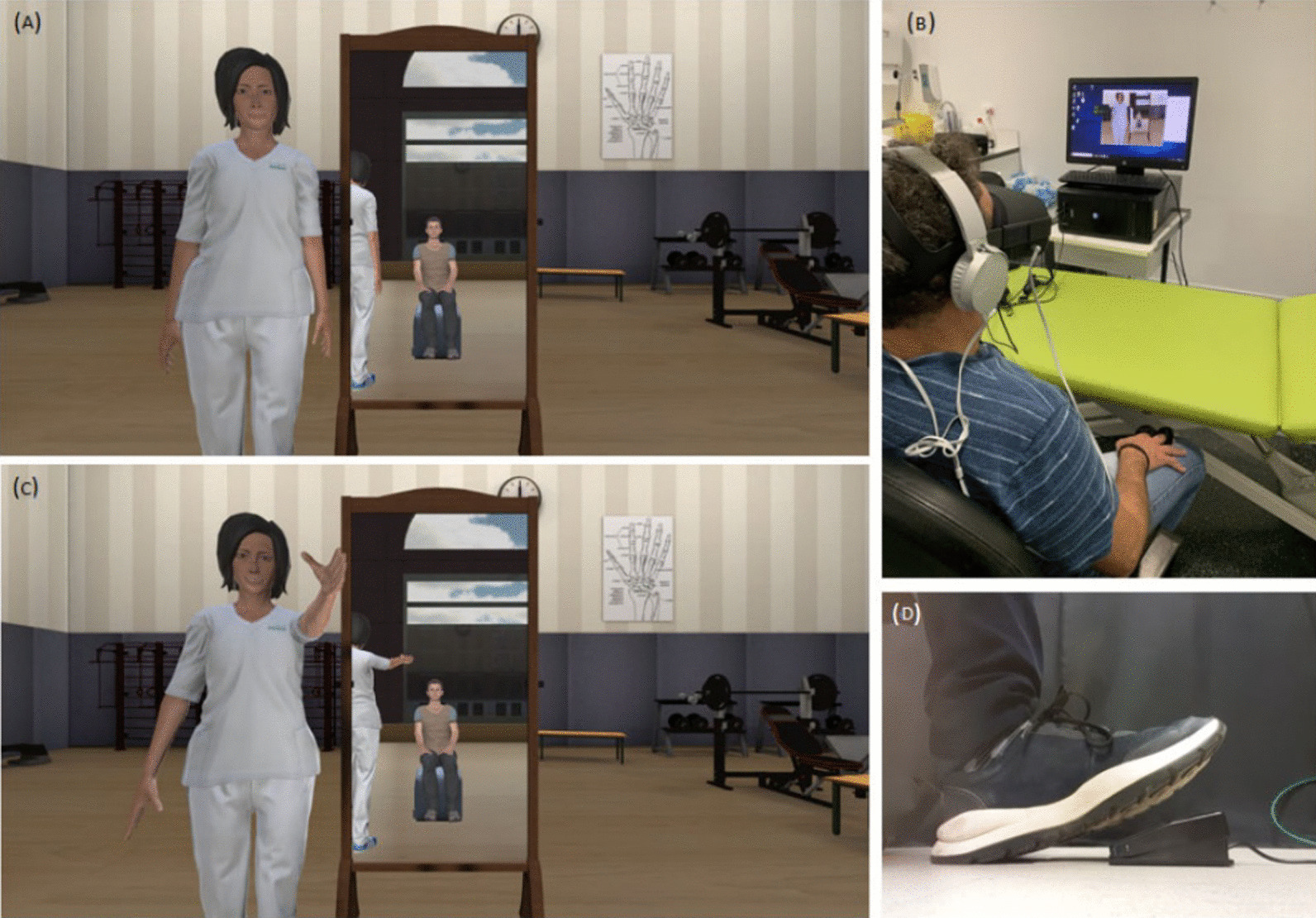
Methods: We designed a rehabilitation program based on developing ownership over a virtual body and then "exercising" the upper limb in immersive VR, while the real arm remains static. We then carried out a single-arm pre-post experiment in which 21 patients with movement-related musculoskeletal shoulder pain were exposed to the 15-min VR program and measured their active pain-free range of motion immediately before and afterwards.
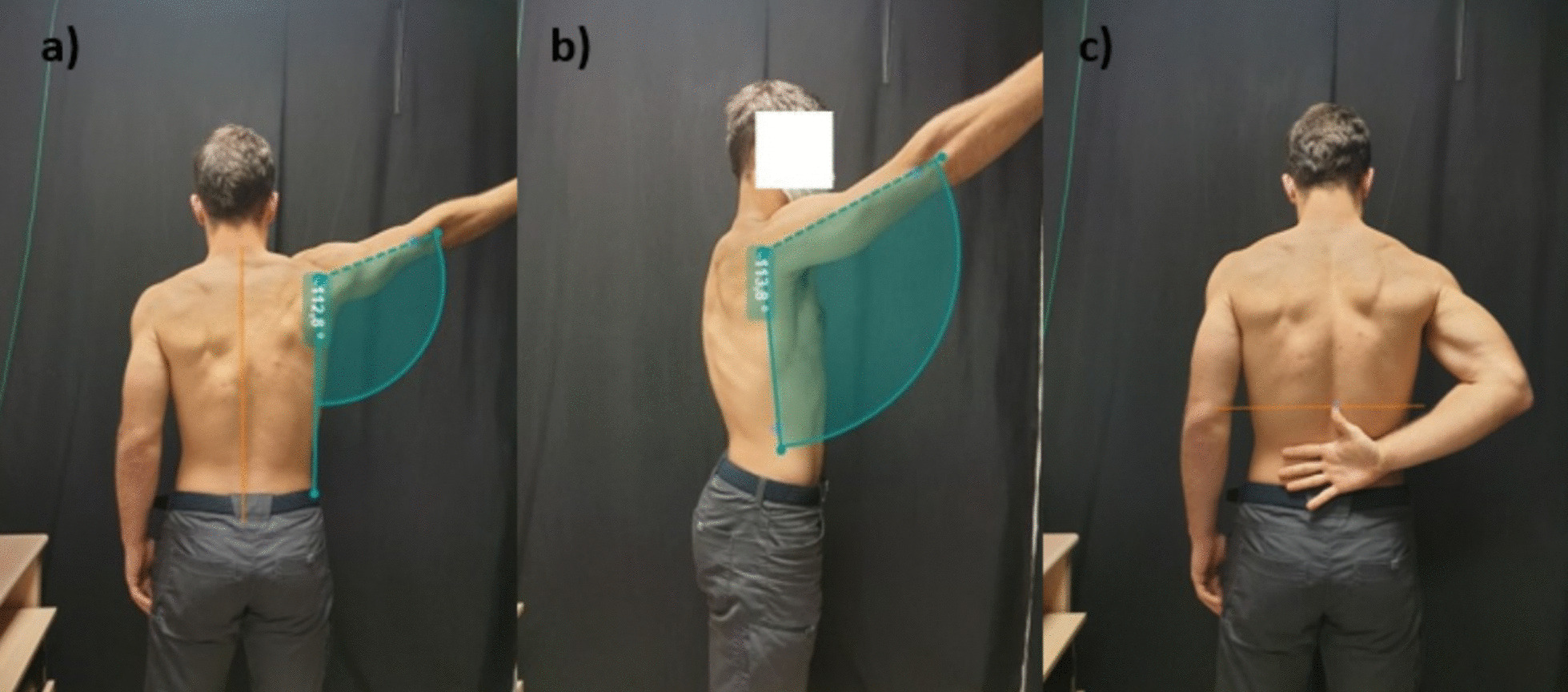
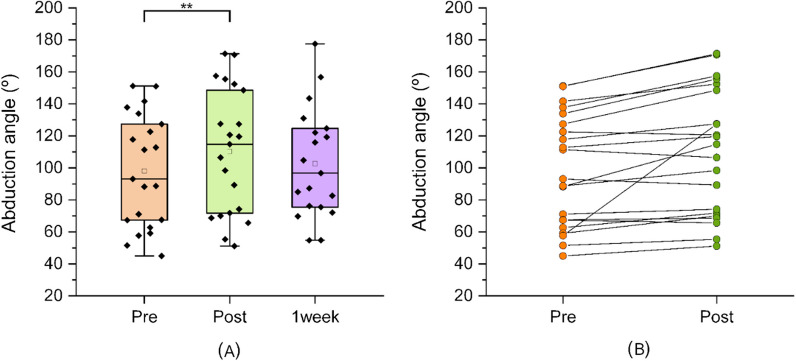
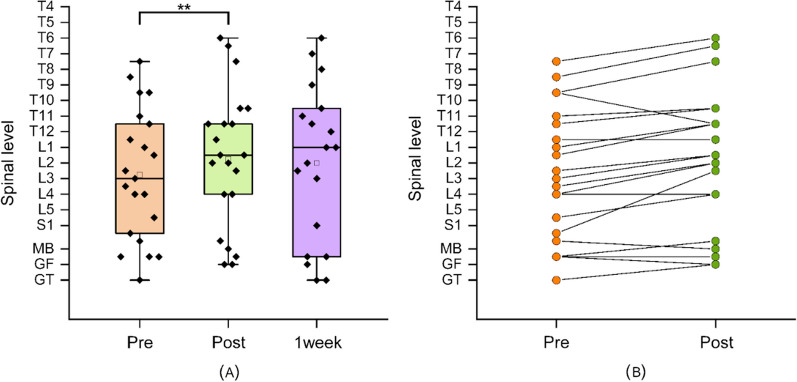
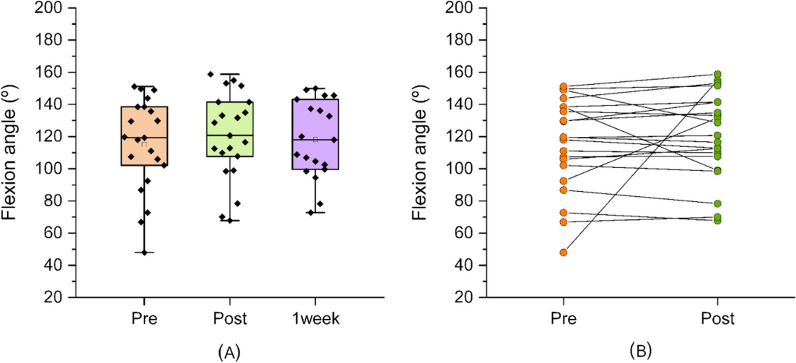
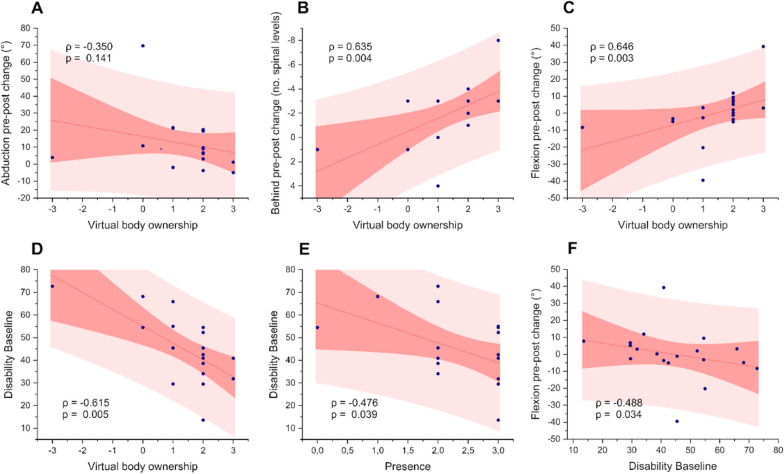
Results: We found that shoulder abduction and hand-behind-back movements, but not shoulder flexion, were significantly and clinically improved post-intervention and that the level of improvement correlated with the level of embodiment. Following this one session, at 1-week follow-up the improvements were not maintained.
Conclusions: Virtual embodiment may be a useful therapeutic tool to help improve range of motion in patients with movement-related shoulder pain in the short term, which in turn could expedite rehabilitation and recovery in these conditions.
Keywords: Body functionality; Embodiment; Musculoskeletal; Pain; Rehabilitation; Virtual reality.
© 2023. BioMed Central Ltd., part of Springer Nature.
Conflict of interest statement
The authors declare they have no competing interests.
Figures
References
-
- Luime JJ, Koes BW, Hendriksen IJM, Burdorf A, Verhagen AP, Miedema HS, et al. Prevalence and incidence of shoulder pain in the general population; a systematic review. Scand J Rheumatol. 2004;33:73–81. - PubMed
-
- Lewis J. Rotator cuff related shoulder pain: assessment, management and uncertainties. Man Ther. 2015;23:57–68. - PubMed
-
- Kelley MJ, Shaffer MA, Kuhn JE, Michener LA, Seitz AL, Uhl TL, et al. Shoulder pain and mobility deficits: adhesive capsulitis. J Orthop Sports Phys Ther. 2013;43:A1–31. - PubMed
MeSH terms
Grants and funding
LinkOut - more resources
Full Text Sources
