


Cognitive Archeology and the Attentional System: An Evolutionary Mismatch for the Genus Homo
- PMID: 37754912
- PMCID: PMC10532831
- DOI: 10.3390/jintelligence11090183
Cognitive Archeology and the Attentional System: An Evolutionary Mismatch for the Genus Homo
Abstract
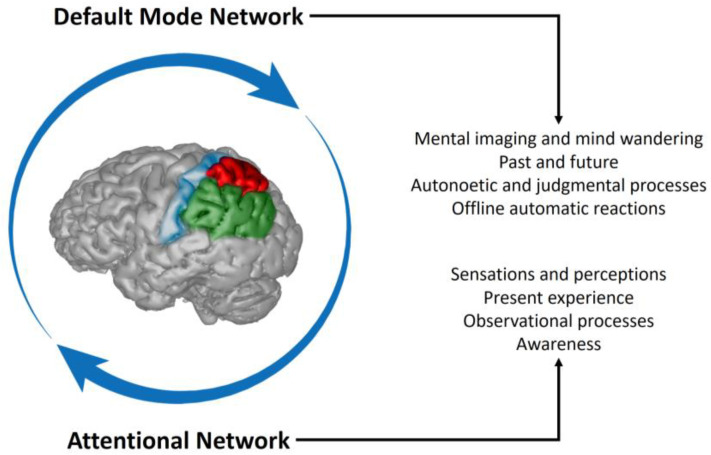
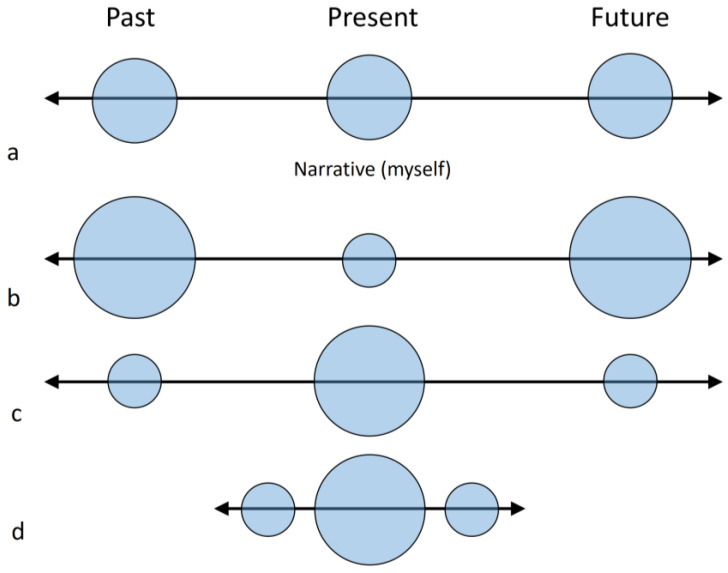
Brain evolution is a key topic in evolutionary anthropology. Unfortunately, in this sense the fossil record can usually support limited anatomical and behavioral inferences. Nonetheless, information from fossil species is, in any case, particularly valuable, because it represents the only direct proof of cerebral and behavioral changes throughout the human phylogeny. Recently, archeology and psychology have been integrated in the field of cognitive archeology, which aims to interpret current cognitive models according to the evidence we have on extinct human species. In this article, such evidence is reviewed in order to consider whether and to what extent the archeological record can supply information regarding changes of the attentional system in different taxa of the human genus. In particular, behavioral correlates associated with the fronto-parietal system and working memory are employed to consider recent changes in our species, Homo sapiens, and a mismatch between attentional and visuospatial ability is hypothesized. These two functional systems support present-moment awareness and mind-wandering, respectively, and their evolutionary unbalance can explain a structural sensitivity to psychological distress in our species.
Keywords: anxiety; attention; cognitive evolution; human evolution; human genus; parietal cortex; stress.
Conflict of interest statement
The author declares no conflict of interest.
Figures
References
-
- Antón Susan C., Snodgrass J. Josh. Origins and evolution of genus Homo: New perspectives. Current Anthropology. 2012;53:S479–S496. doi: 10.1086/667692. - DOI
-
- Ardesch Dirk Jan, Scholtens Lianne H., Li Longchuan, Preuss Todd M., Rilling James K., Heuvel Martijn P. van den. Evolutionary expansion of connectivity between multimodal association areas in the human brain compared with chimpanzees. Proceedings of the National Academy of Sciences USA. 2019;116:7101–6. doi: 10.1073/pnas.1818512116. - DOI - PMC - PubMed
Grants and funding
LinkOut - more resources
Full Text Sources
