


APPA Increases Lifespan and Stress Resistance via Lipid Metabolism and Insulin/IGF-1 Signal Pathway in Caenorhabditis elegans
- PMID: 37761985
- PMCID: PMC10531162
- DOI: 10.3390/ijms241813682
APPA Increases Lifespan and Stress Resistance via Lipid Metabolism and Insulin/IGF-1 Signal Pathway in Caenorhabditis elegans
Abstract
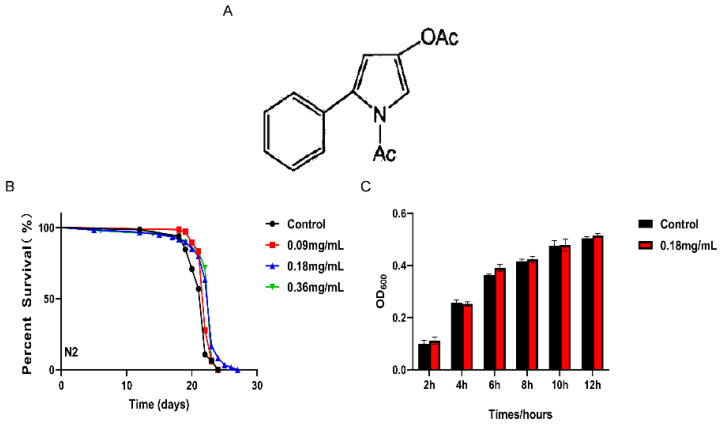
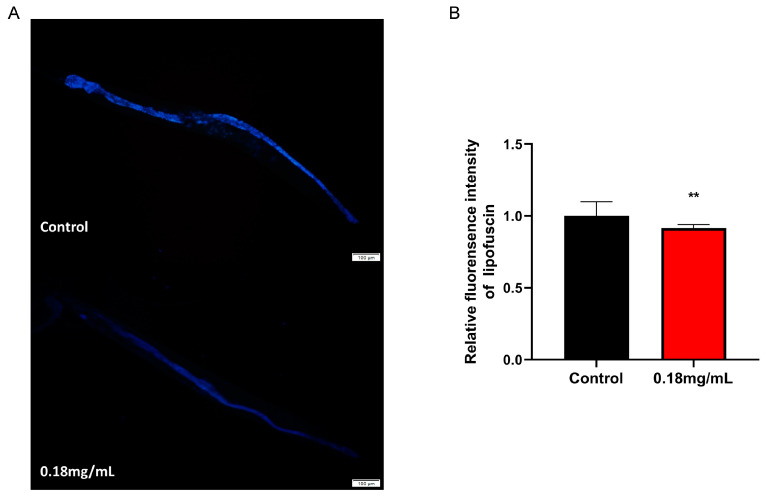
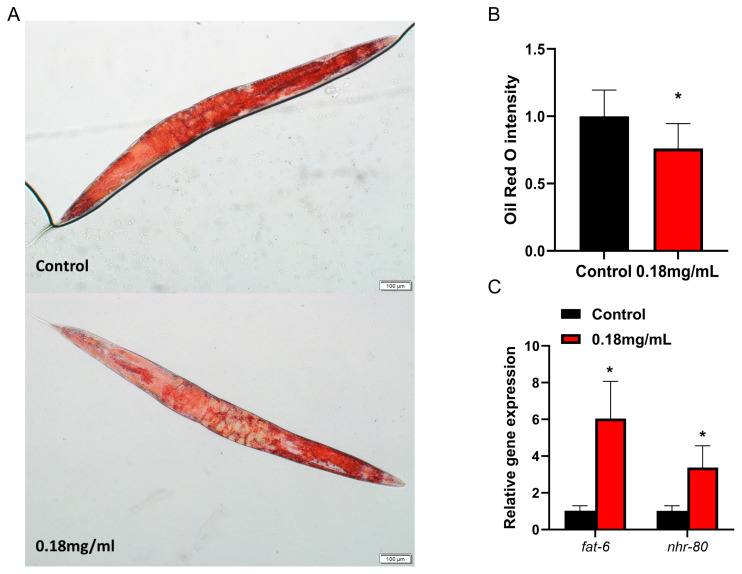
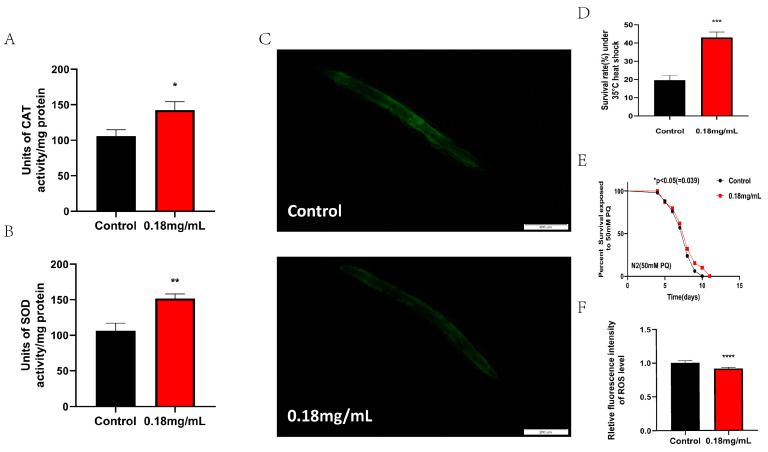
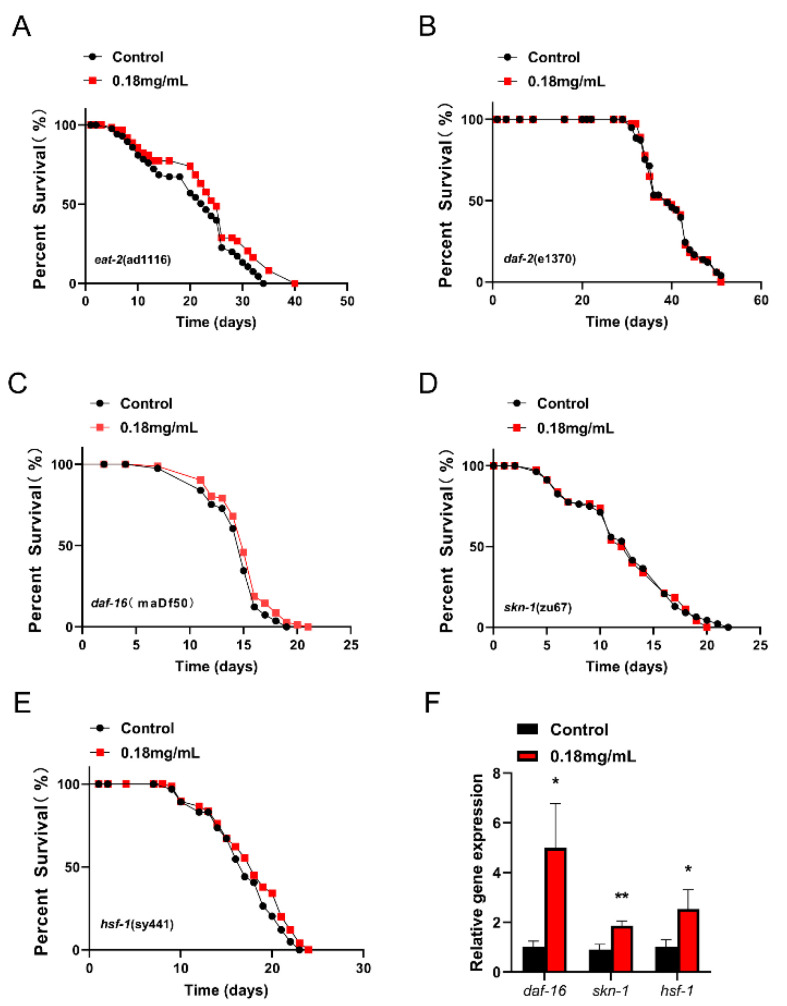
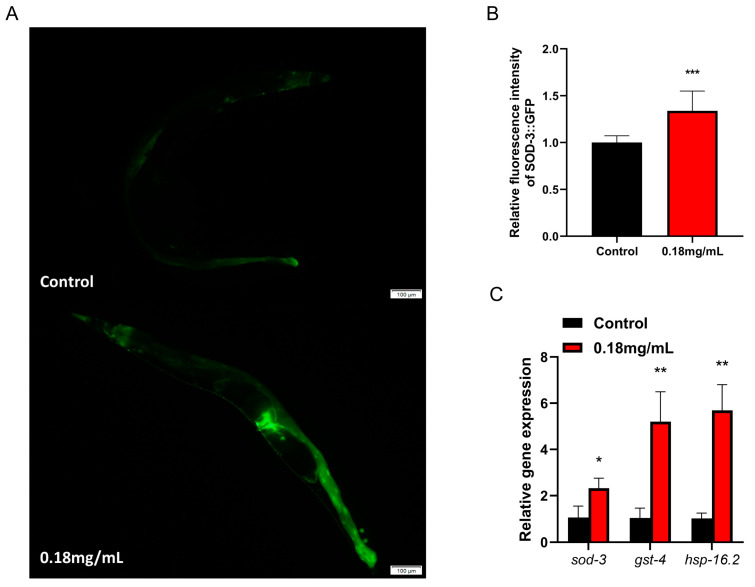
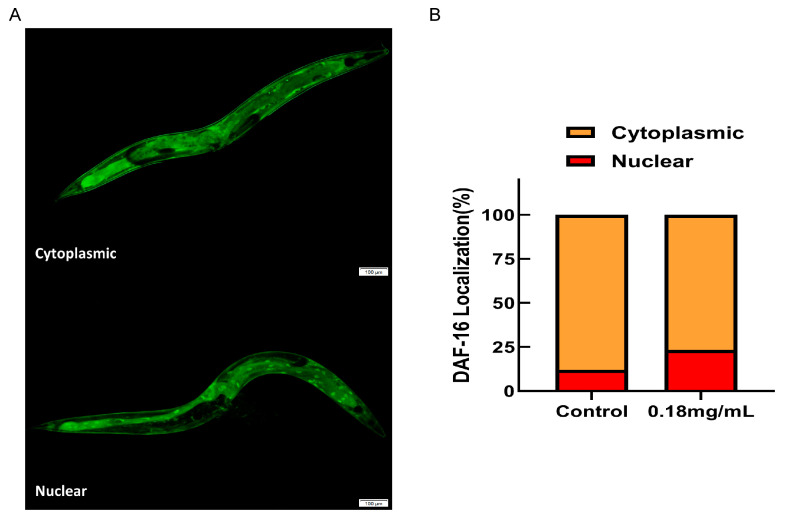
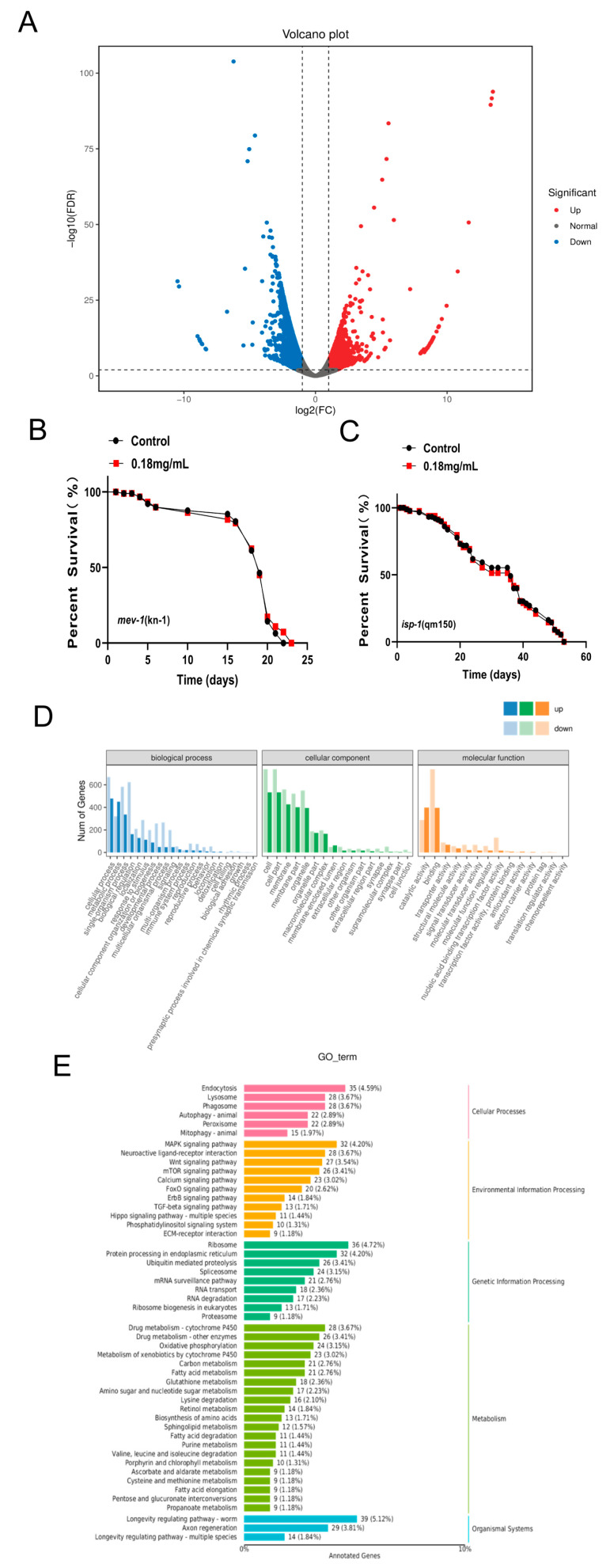
Animal studies have proven that 1-acetyl-5-phenyl-1H-pyrrol-3-yl acetate (APPA) is a powerful antioxidant as a novel aldose reductase inhibitor independently synthesized by our laboratory; however, there is no current information on APPA's anti-aging mechanism. Therefore, this study examined the impact and mechanism of APPA's anti-aging and anti-oxidation capacity using the Caenorhabditis elegans model. The results demonstrated that APPA increases C. elegans' longevity without affecting the typical metabolism of Escherichia coli OP50 (OP50). APPA also had a non-toxic effect on C. elegans, increased locomotor ability, decreased the levels of reactive oxygen species, lipofuscin, and fat, and increased anti-stress capacity. QRT-PCR analysis further revealed that APPA upregulated the expression of antioxidant genes, including sod-3, gst-4, and hsp-16.2, and the critical downstream transcription factors, daf-16, skn-1, and hsf-1 of the insulin/insulin-like growth factor (IGF) receptor, daf-2. In addition, fat-6 and nhr-80 were upregulated. However, the APPA's life-prolonging effects were absent on the daf-2, daf-16, skn-1, and hsf-1 mutants implying that the APPA's life-prolonging mechanism depends on the insulin/IGF-1 signaling system. The transcriptome sequencing also revealed that the mitochondrial route was also strongly associated with the APPA life extension, consistent with mev-1 and isp-1 mutant life assays. These findings aid in the investigation of APPA's longevity extension mechanism.
Keywords: APPA; Caenorhabditis elegans; insulin/IGF-1; lifespan; stress resistant.
Conflict of interest statement
The authors declare no conflict of interest.
Figures
References
-
- Govindhan T., Amirthalingam M., Duraisamy K., Muthusamy V., Periyakali S.B., Paramasivam P., Shinkichi T., Palanisamy S. Geroprotective Effect of Levilactobacillus brevis and Weizmannia coagulans in Caenorhabditis elegans. Probiotics Antimicrob. Proteins. 2023 doi: 10.1007/s12602-023-10060-y. - DOI - PubMed
-
- Wang Y., Shi J., Liu K., Wang Y., Xu Y., Liu Y. Metabolomics and gene expression levels reveal the positive effects of teaseed oil on lifespan and aging process in Caenorhabditis elegans. Food Sci. Hum. Wellness. 2023;12:1391–1401. doi: 10.1016/j.fshw.2022.10.032. - DOI
-
- Duangjan C., Rangsinth P., Gu X., Zhang S., Wink M., Tencomnao T. Glochidion zeylanicum leaf extracts exhibit lifespan extending and oxidative stress resistance properties in Caenorhabditis elegans via DAF-16/FoxO and SKN-1/Nrf-2 signaling pathways. Phytomedicine. 2019;64:153061. doi: 10.1016/j.phymed.2019.153061. - DOI - PubMed
MeSH terms
Substances
Grants and funding
LinkOut - more resources
Full Text Sources
Medical
Research Materials
Miscellaneous
