


The Possible Role of Probiotic Supplementation in Inflammation: A Narrative Review
- PMID: 37764004
- PMCID: PMC10535592
- DOI: 10.3390/microorganisms11092160
The Possible Role of Probiotic Supplementation in Inflammation: A Narrative Review
Abstract
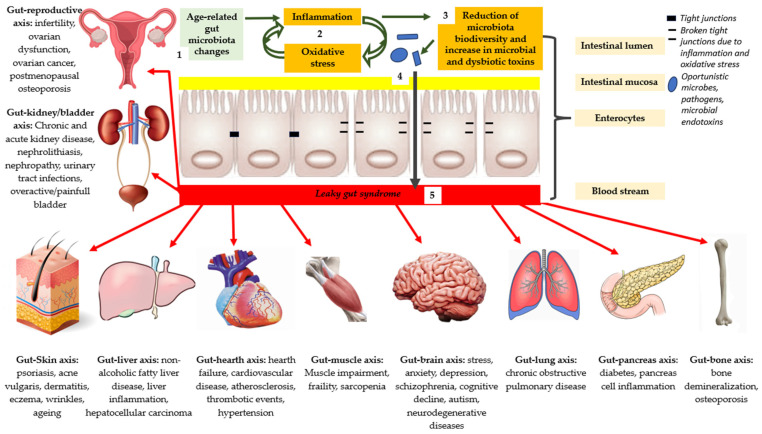
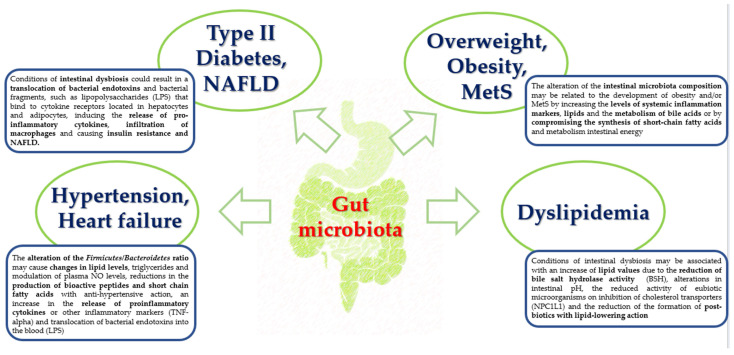
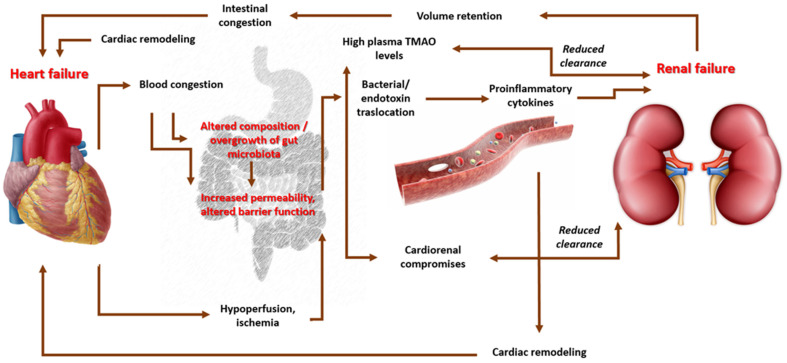
The fine balance between symbiotic and potentially opportunistic and/or pathogenic microorganisms can undergo quantitative alterations, which, when associated with low intestinal biodiversity, could be responsible for the development of gut inflammation and the so-called "intestinal dysbiosis". This condition is characterized by the disbalance of a fine synergistic mechanism involving the mucosal barrier, the intestinal neuroendocrine system, and the immune system that results in an acute inflammatory response induced by different causes, including viral or bacterial infections of the digestive tract. More frequently, however, dysbiosis is induced slowly and subtly by subliminal causal factors, resulting in a chronic condition related to different diseases affecting the digestive tract and other organs and apparatuses. Studies on animal models, together with studies on humans, highlight the significant role of the gut microbiota and microbiome in the occurrence of inflammatory conditions such as metabolic syndrome and cardiovascular diseases (CVDs); neurodegenerative, urologic, skin, liver, and kidney pathologies; and premature aging. The blood translocation of bacterial fragments has been found to be one of the processes linked to gut dysbiosis and responsible for the possible occurrence of "metabolic endotoxemia" and systemic inflammation, associated with an increased risk of oxidative stress and related diseases. In this context, supplementation with different probiotic strains has been shown to restore gut eubiosis, especially if administered in long-term treatments. The aim of this review is to describe the anti-inflammatory effects of specific probiotic strains observed in clinical trials and the respective indications, highlighting the differences in efficacy depending on strain, formulation, time and duration of treatment, and dosage used.
Keywords: aging; cardiovascular disease; gut microbiota; inflammation; oxidative stress; probiotics; urinary tract infections.
Conflict of interest statement
The authors declare no conflict of interest.
Figures
References
-
- Konturek P.C., Brzozowski T., Konturek S.J. Stress and the gut: Pathophysiology, clinical consequences, diagnostic approach and treatment options. J. Physiol. Pharmacol. 2011;62:591–599. - PubMed
Publication types
LinkOut - more resources
Full Text Sources
