


The PTP1B Inhibitor Trodusquemine (MSI-1436) Improves Glucose Uptake in Equine Metabolic Syndrome Affected Liver through Anti-Inflammatory and Antifibrotic Activity
- PMID: 37808009
- PMCID: PMC10560121
- DOI: 10.1155/2023/3803056
The PTP1B Inhibitor Trodusquemine (MSI-1436) Improves Glucose Uptake in Equine Metabolic Syndrome Affected Liver through Anti-Inflammatory and Antifibrotic Activity
Abstract
Background: Hyperactivation of protein tyrosine phosphatase (PTP1B) has been associated with several metabolic malfunctions ranging from insulin resistance, metaflammation, lipotoxicity, and hyperglycaemia. Liver metabolism failure has been proposed as a core element in underlying endocrine disorders through persistent inflammation and highly fibrotic phenotype.
Methods: In this study, the outcomes of PTP1B inhibition using trodusquemine (MSI-1436) on key equine metabolic syndrome (EMS)-related alterations including inflammation, fibrosis, and glucose uptake have been analyzed in liver explants collected from EMS-affected horses using various analytical techniques, namely, flow cytometry, RT-qPCR, and Western blot.
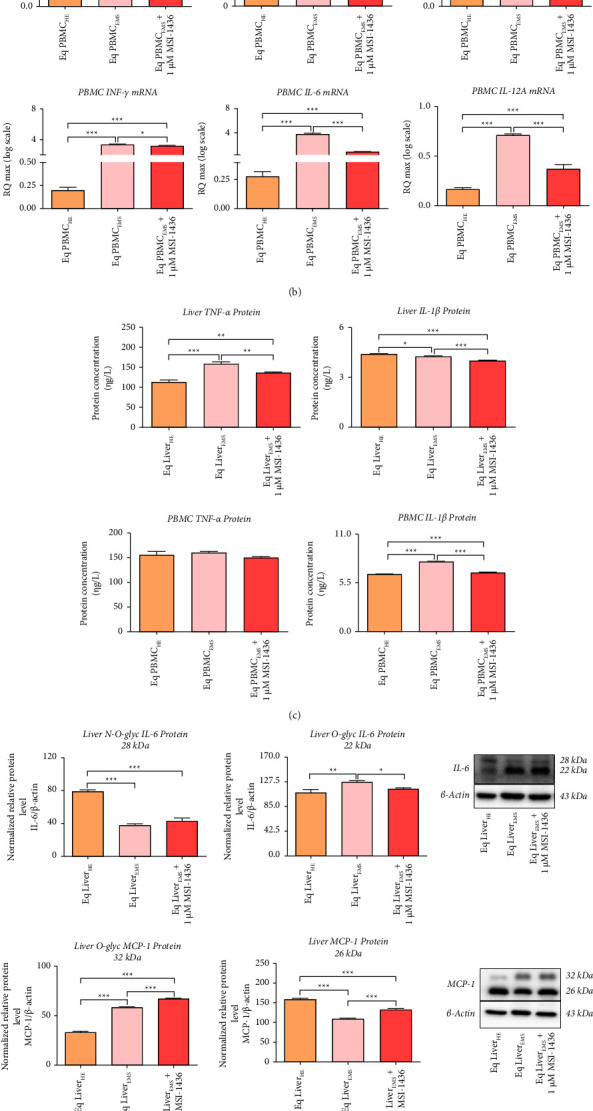
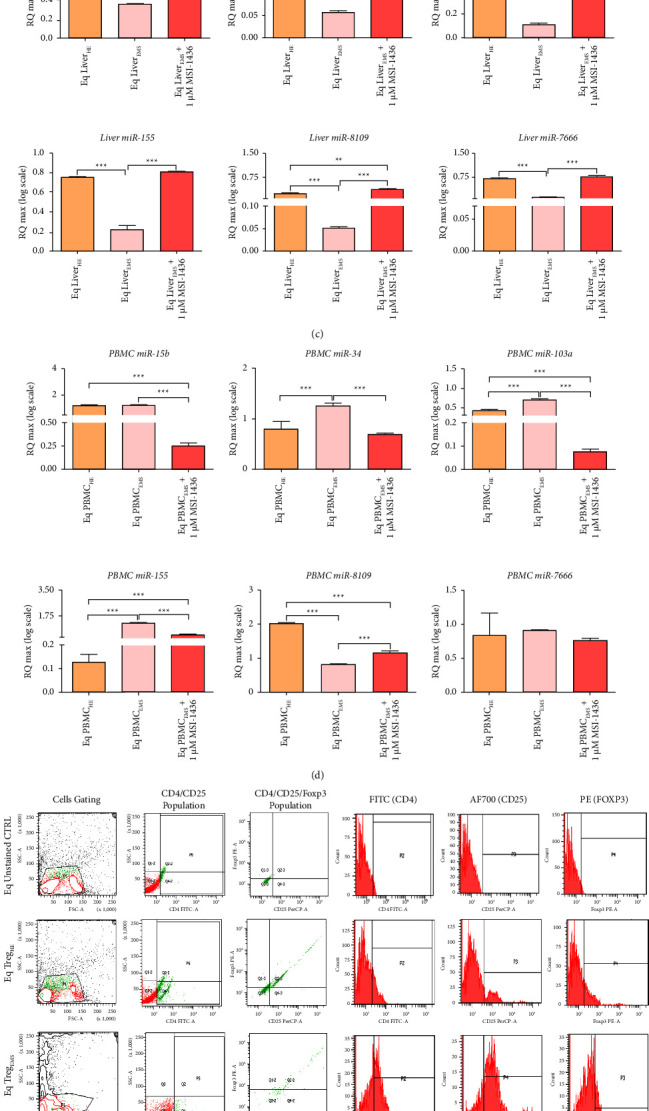
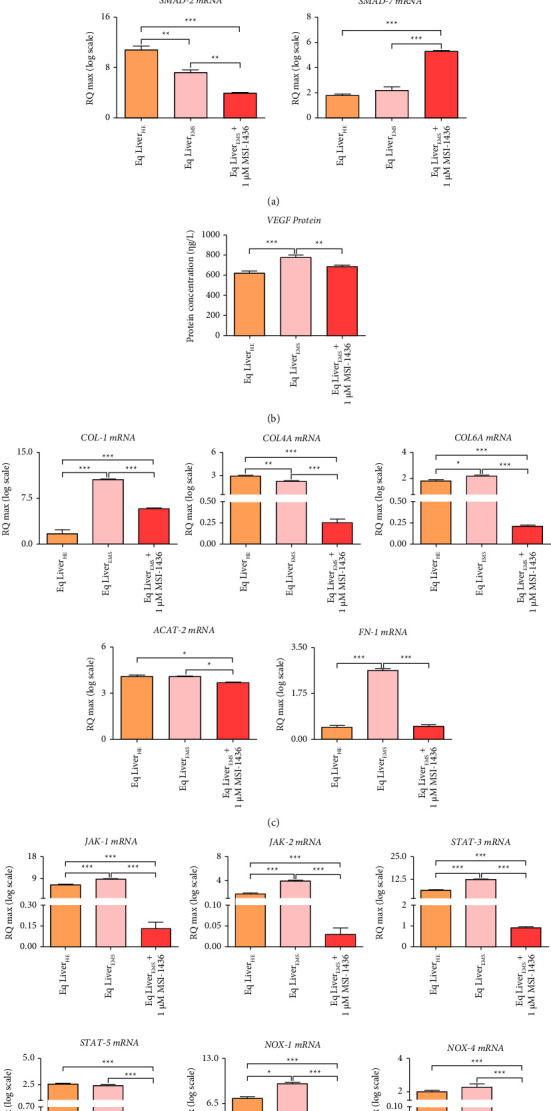
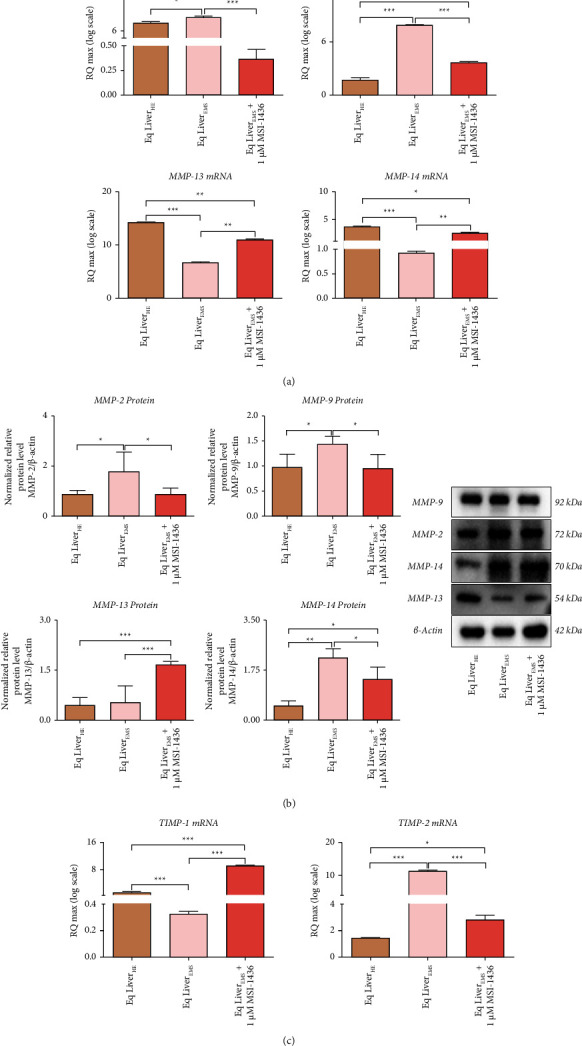
Results: PTP1B inhibition using trodusquemine resulted in decreased proinflammatory cytokines (IL-1β, TNF-α, and IL-6) release from liver and PBMC affected by EMS and regulated expression of major proinflammatory microRNAs such as miR-802 and miR-211. Moreover, MSI-1436 enhanced the anti-inflammatory profile of livers by elevating the expression of IL-10 and IL-4 and activating CD4+CD25+Foxp3+ regulatory T cells in treated PBMC. Similarly, the inhibitor attenuated fibrogenic pathways in the liver by downregulating TGF-β/NOX1/4 axis and associated MMP-2/9 overactivation. Interestingly, PTP1B inhibition ameliorated the expression of TIMP-1 and Smad7, both important antifibrotic mediators. Furthermore, application of MSI-1436 was found to augment the abundance of glycosylated Glut-2, which subsequently expanded the glucose absorption in the EMS liver, probably due to an enhanced Glut-2 stability and half-life onto the plasma cell membranes.
Conclusion: Taken together, the presented data suggest that the PTP1B inhibition strategy and the use of its specific inhibitor MSI-1436 represents a promising option for the improvement of liver tissue integrity and homeostasis in the course of EMS and adds more insights for ongoing clinical trials for human MetS management.
Copyright © 2023 Lynda Bourebaba et al.
Conflict of interest statement
The authors declare that they have no conflicts of interest.
Figures

References
LinkOut - more resources
Full Text Sources
Research Materials
Miscellaneous
