


Effects of speech therapy for transgender women: A systematic review
- PMID: 37808532
- PMCID: PMC10553375
- DOI: 10.1080/26895269.2021.1915224
Effects of speech therapy for transgender women: A systematic review
Abstract
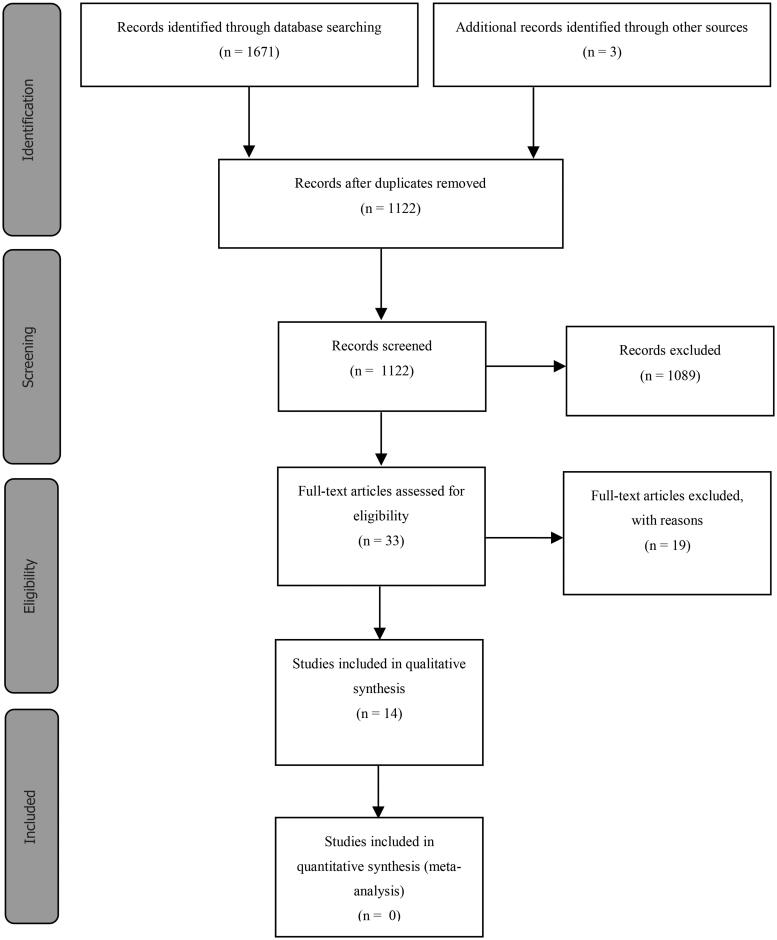
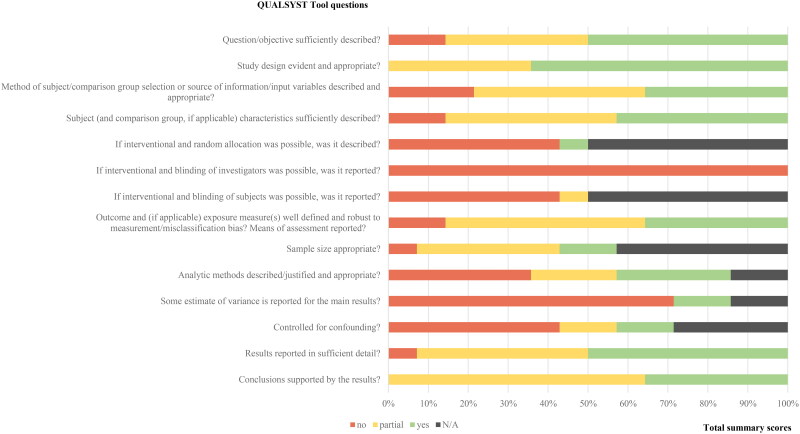
Background: For transgender women, communication and speech characteristics might not be congruent with their gender expressions. This can have a major influence on their psychosocial functioning. Higher quality of life scores were observed the more their voice was perceived as feminine. Speech language pathologists may play an important role in this, as the gender affirming hormone treatment for transgender women does not affect the voice. Aim: This systematic review aimed to provide speech and language pathologists with the current literature concerning the effects of speech therapy in transgender women in terms of acoustic and perceptual outcomes. Methods: Preferred Reporting Items for Systematic Reviews and Meta-Analyses (PRISMA) was used for reporting this systematic review. The Cochrane Central Register of Controlled Trials (CENTRAL), MEDLINE (using the PubMed interface) and Embase (using the embase.com interface) were used as electronic databases. All individual studies which measured the effects of speech therapy in transgender women were evaluated with a risk of bias assessment tool and levels of evidence. Relevant data were extracted from these studies and a narrative synthesis was performed. Results: 14 studies were identified through the databases and other sources. These studies show positive outcome results concerning pitch elevation, oral resonance, self-perception and listener perception. However, methodological issues contribute to problems with generalization and reproducibility of the studies. Conclusion: There is an urgent need for effectiveness studies using RCT designs, larger sample sizes, multidimensional voice assessments, well-described therapy programs, investigators blinded to study process, and longer-term follow-up data. Speech and language pathologists who work with transgender women may find these results essential for defining therapy goals.
Keywords: Effectiveness; PRISMA; speech therapy; systematic review; transgender voice; transgender women.
© 2021 Taylor & Francis Group, LLC.
Conflict of interest statement
Conflict of Interest: the authors declare that they have no conflict of interest.
Figures
References
-
- Atal, B. S., & Hanauer, S. L. (1971). Speech analysis and synthesis by linear prediction of the speech wave. The Journal of the Acoustical Society of America, 50(2B), 637–655. - PubMed
-
- Baken, R. J., & Orlikoff, R. F. (2000). Clinical measurement of speech and voice. Cengage Learning.
Publication types
LinkOut - more resources
Full Text Sources
