


Physical exercise and persistent organic pollutants
- PMID: 37809764
- PMCID: PMC10558913
- DOI: 10.1016/j.heliyon.2023.e19661
Physical exercise and persistent organic pollutants
Abstract
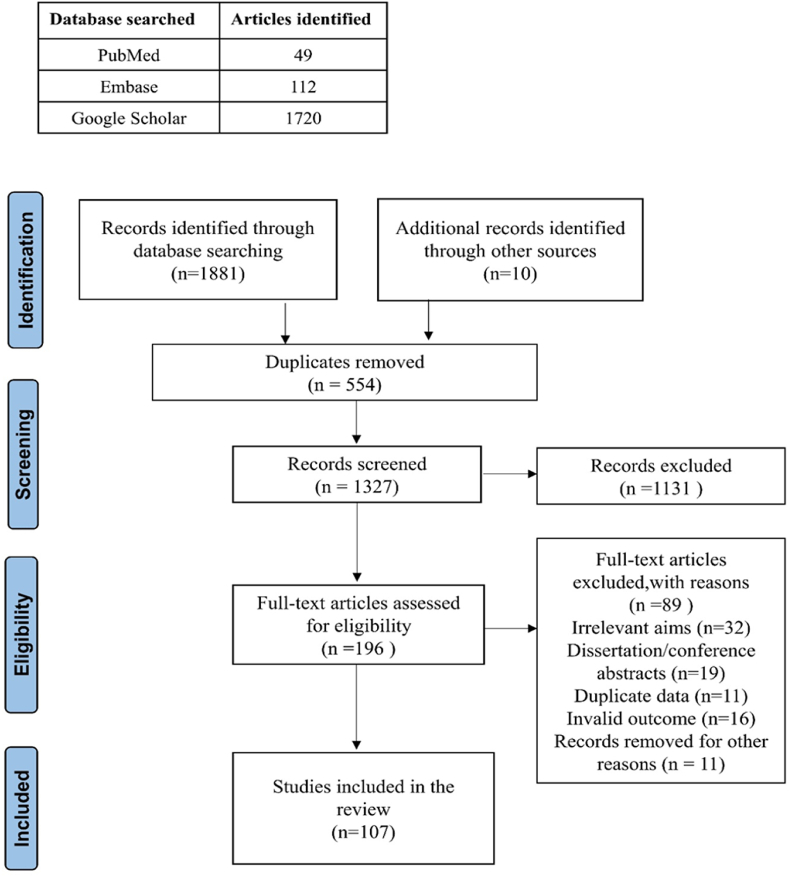
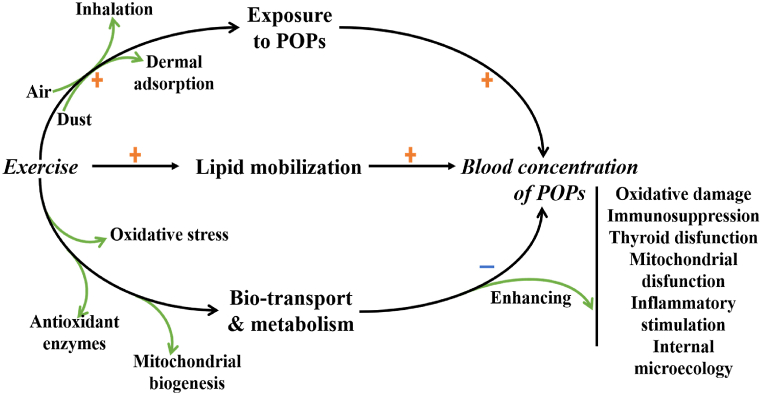
Exposure to the legacy and emerging persistent organic pollutants (POPs) incessantly has become an important threat to individual health, which is closely related to neurodevelopment, endocrine and cardiovascular homeostasis. Exercise, on the other hand, has been consistently shown to improve physical fitness. Whereas associations between traditional air pollutants, exercise and lung function have been thoroughly reviewed, reviews on associations between persistent organic pollutants and exercise are scarce. Hence, a literature review focused on exercise, exposure to POPs, and health risk assessment was performed for studies published from 2004 to 2022. The purpose of this review is to provide an overview of exposure pathways and levels of POPs during exercise, as well as the impact of exercise on health concerns attributable to the redistribution, metabolism, and excretion of POPs in vivo. Therein lies a broader array of exercise benefits, including insulin sensitizing, mitochondrial DNA repair, lipid metabolism and intestinal microecological balance. Physical exercise is conducive to reduce POPs body burden and resistant to health hazards of POPs generally. Besides, individual lipid metabolism condition is a critical factor in evaluating potential link in exercise, POPs and health effects.
Keywords: Exercise; Exposure; Health risk assessments; Persistent organic pollutants.
© 2023 The Authors.
Conflict of interest statement
The authors declare that they have no known competing financial interests or personal relationships that could have appeared to influence the work reported in this paper.
Figures
References
-
- Sung H., et al. Global cancer statistics 2020: GLOBOCAN estimates of incidence and mortality worldwide for 36 cancers in 185 countries. CA A Cancer J. Clin. 2021;71:209–249. - PubMed
Publication types
LinkOut - more resources
Full Text Sources
