Review
. 2023 Oct 9;22(1):169.
doi: 10.1186/s12943-023-01865-0.

Progressing nanotechnology to improve targeted cancer treatment: overcoming hurdles in its clinical implementation

Affiliations
Review

Progressing nanotechnology to improve targeted cancer treatment: overcoming hurdles in its clinical implementation

Mohammad Chehelgerdi et al. Mol Cancer. .

Abstract

The use of nanotechnology has the potential to revolutionize the detection and treatment of cancer. Developments in protein engineering and materials science have led to the emergence of new nanoscale targeting techniques, which offer renewed hope for cancer patients. While several nanocarriers for medicinal purposes have been approved for human trials, only a few have been authorized for clinical use in targeting cancer cells. In this review, we analyze some of the authorized formulations and discuss the challenges of translating findings from the lab to the clinic. This study highlights the various nanocarriers and compounds that can be used for selective tumor targeting and the inherent difficulties in cancer therapy. Nanotechnology provides a promising platform for improving cancer detection and treatment in the future, but further research is needed to overcome the current limitations in clinical translation.

Keywords: Cancer detection; Cancer treatment; Human trials; Materials science; Medicinal purposes; Nanocarriers; Nanoscale targeting techniques; Nanotechnology; Protein engineering.


Conflict of interest statement

The authors declare no competing interests.

Figures
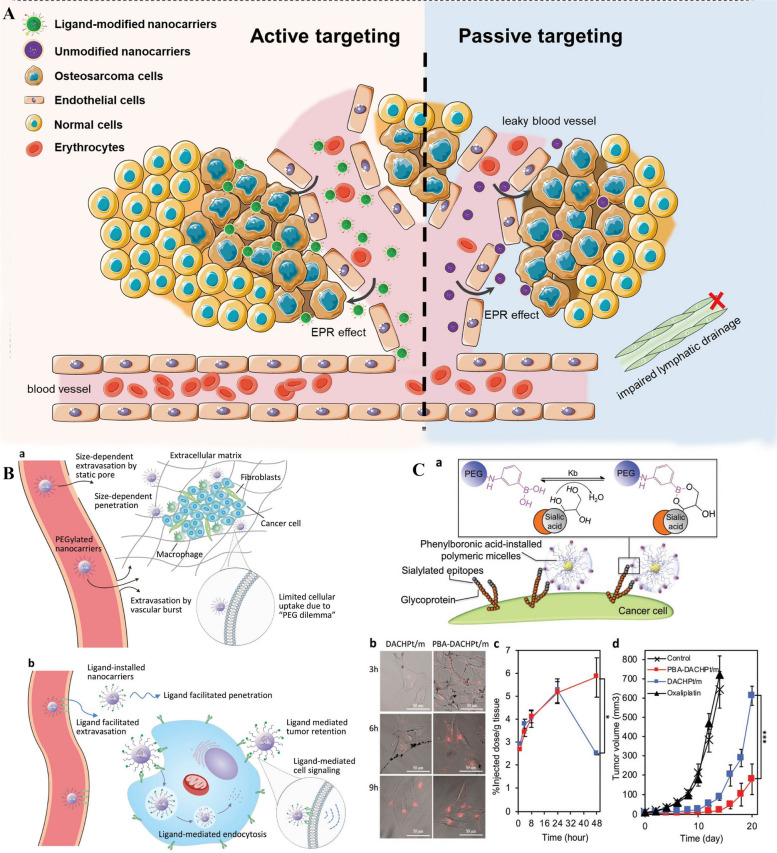
Fig. 1
Fig. 1
A An illustrative diagram depicting the concepts of active and passive targeting in nano-delivery systems for anti-tumor treatment. Passive targeting relies on the enhanced permeability and retention (EPR) effects, where nanocarriers circulate in the bloodstream, exit into the tumor tissue through the leaky tumor blood vessels, and accumulate there. On the other hand, nanocarriers modified with targeting ligands can specifically attach to receptors that are overexpressed on tumor cells, enabling localized drug delivery or internalization via receptor-mediated endocytosis. Reprint from [33] with a permission from Springer Nature. B A diagrammatic representation of a targeting ligand-conjugated nanocarrier. Tumor targeting by nanocarriers (A) and ligand-installed nanocarriers B). Reprint from [34] with a permission from Wiley. C The ability of ligand-installed nanocarriers to target cancer cells. A illustrates the use of phenylboronic-acid-installed DACHPt-loaded polymeric micelles (PBA-DACHPt/m) for targeting cancer cells that overexpress sialylated epitopes receptors; B shows the cellular uptake of micelles with and without PBA ligands by B16F10 cancer cells; C displays the tumor accumulation of PBA-DACHPt/m and DACHPt/m; and (D) exhibits the tumor suppression effect of PBA-DACHPt/m micelles against subcutaneous B16F10 tumor models. Reprint from [34] with a permission from Wiley
Fig. 2
Fig. 2
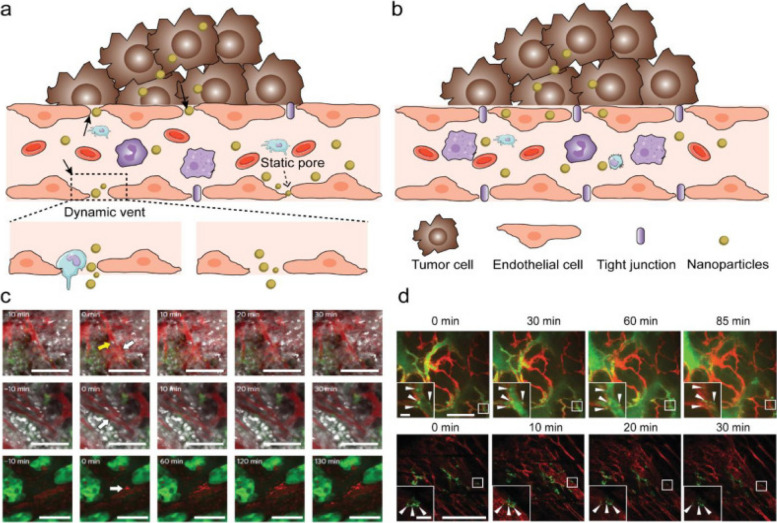
New insights on the transport of nanoparticles (NPs) through endothelial cells using intravital microscopy (IVM). Panel (A) shows NP transport through gaps between adjacent endothelial cells in dynamic vascular bursts, while panel (B) shows NP transport across the endothelial cell layer via transcytosis. Panel (C) presents representative images of eruptions occurring near and without leukocyte cells, respectively, using 70 nm Doxil particles and a BxPC3-GFP dorsal skinfold model. Panel (D) demonstrates colocalization of NPs with endothelial cells to form hotspots along the vessel lining in MMTVPyMT and 4T1 tumor models using 50 nm AuNPs conjugated with Alexa Fluor 647. The scale bars for all panels are provided, and insets are included where appropriate. Reprint from [47] with a permission from Elsevier
Fig. 3
Fig. 3
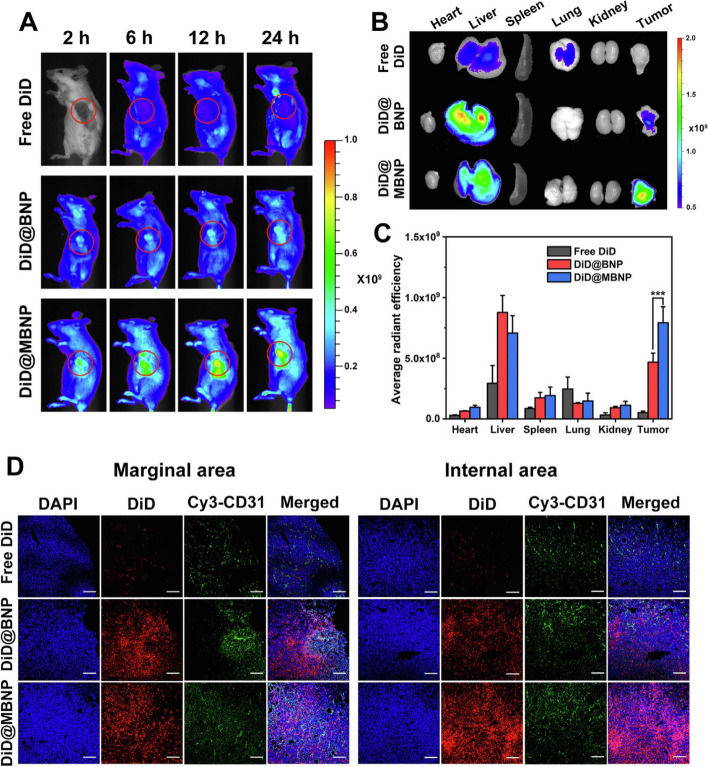
The results of the in vivo biodistribution of nanocarriers. The study involved the use of DiD-loaded formulations, and the images obtained from 4T1 tumor-bearing mice were taken at different times post-administration. The red circles in the images indicate the tumor sites. Additionally, ex vivo imaging of isolated tumors and organs from the mice was performed 24 h after administration. The semiquantification of fluorescence intensity was also done, and the results showed statistically significant differences (P < 0.05, P < 0.01, P < 0.001) among the three formulations. Finally, the fluorescent distribution of Free DiD, DiD@BNP, and DiD@MBNP in the frozen sections of tumors was analyzed, with blue indicating the cell nucleus, red indicating DiD, and green indicating CD31. The scale bars used in the images are 100 mm. Reprint from [111] with a permission from Elsevier
Fig. 4
Fig. 4
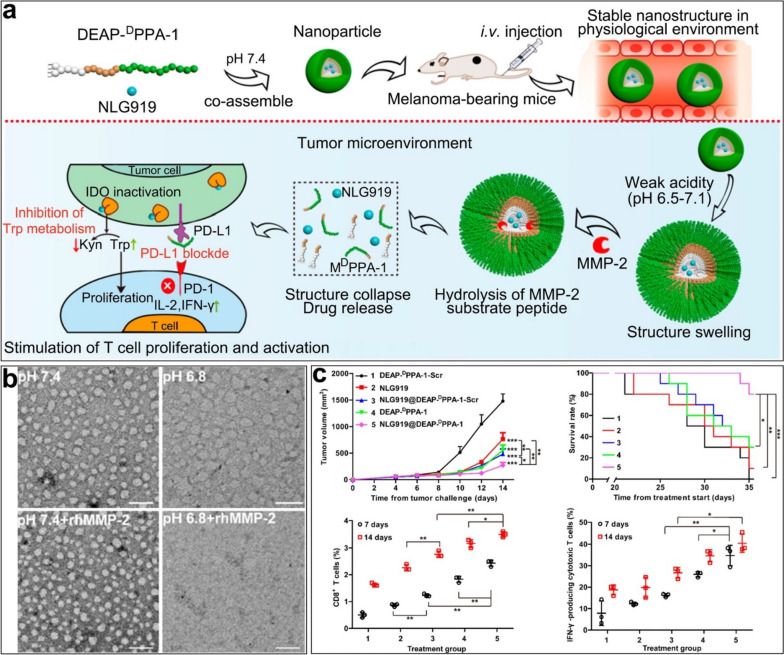
The schematic of cancer immunotherapy using NLG919@DEAP-DPPA-1 nanoparticles. The multifunctional peptide demonstrates its antitumor mechanism in the tumor microenvironment. Transmission electron microscopy images of nanoparticles under various pH conditions, with or without recombinant human MMP-2 (rhMMP-2), are shown. The treatment efficacy of peptide nanoparticles and the measurement of CD8 + T cells in melanoma-bearing mice are also presented. The scale bars for the TEM images are 100 nm. Reprint from [129] with a permission from Springer Nature
Fig. 5
Fig. 5
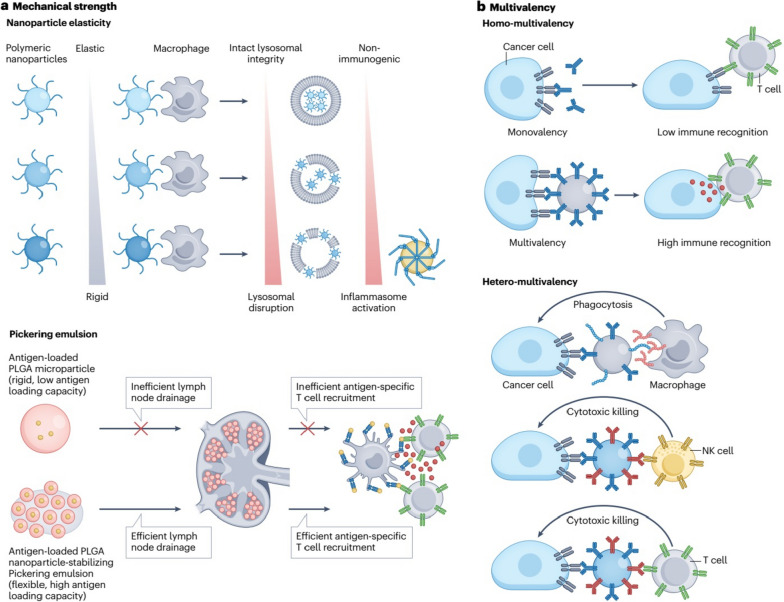
The impact of mechanical strength and multivalency of nanomaterials on cancer immunotherapy outcomes. a, the stiffness of polymeric nanoparticles influences the stability of lysosomes, which is related to inflammasome activation in cancer immunotherapy. The flexibility of these nanomaterials governs their adaptability and lateral movement, which in turn affects their ability to load antigens and target lymph nodes. b, Nanoparticles with multiple binding sites can trigger immune signaling or promote the attraction of immune cells within the tumor environment. Nanoparticles with uniform multiple binding sites improve T cell immune recognition by inhibiting immune checkpoints. In contrast, nanoparticles with varied multiple binding sites facilitate interactions between cancer cells and immune cells, resulting in tumor-specific immune responses. Reprint from [130] with a permission from Springer Nature
Fig. 6
Fig. 6
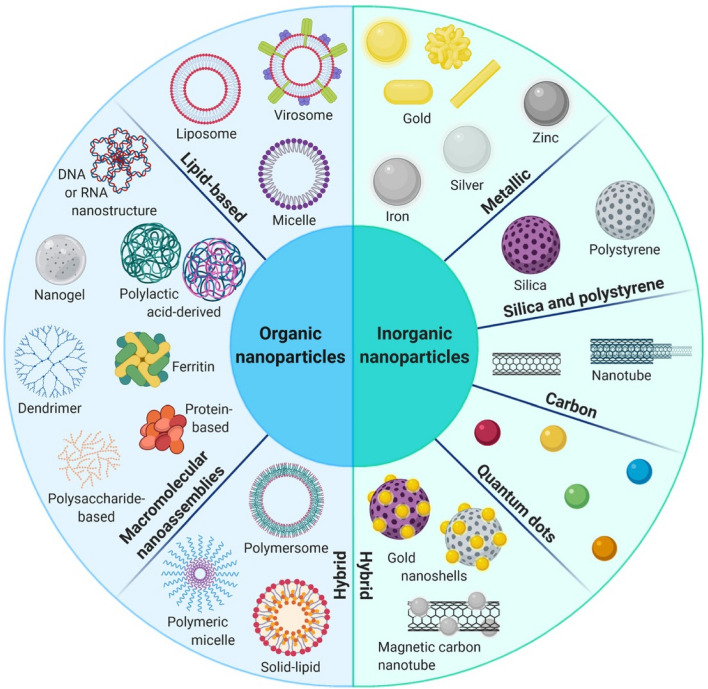
Chemically modified nanoparticles intended for use in cancer therapy. These nanoparticles can be classified as either inorganic or organic. Inorganic nanoparticles, such as metallic, silica, carbon, and quantum dots, are highly stable and possess electronical and optical properties that make them useful for cancer imaging and theragnostic. However, their solid cores may lead to the rapid degradation of conjugated therapeutic molecules in vivo. Organic nanoparticles, on the other hand, such as lipid-based and macromolecular assemblies, are less stable but have good biocompatibility and provide multiple opportunities for drug functionalization either on their surface or within their interior. Hybrid nanoparticles are a combination of both inorganic and organic nanoparticles and offer improved biocompatibility and stability. Reprint from [131] with a permission from Springer Nature
Fig. 7
Fig. 7
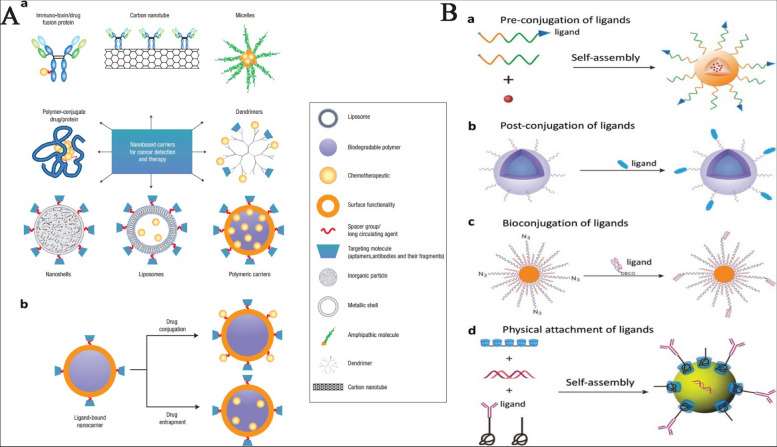
A Different types of nanocarriers that can be used for targeting cancer. The main components of these delivery agents usually consist of a nanocarrier, a targeting moiety that is connected to the nanocarrier, and a cargo, which can be the desired chemotherapeutic drugs. The diagram shows a range of possible delivery agents, and a schematic representation of the drug conjugation and entrapment processes. In some cases, the chemotherapeutic drugs can be bound to the nanocarrier, such as in polymer-drug conjugates, dendrimers, and some particulate carriers, while in other cases they can be trapped inside the nanocarrier. Reprint from [132] with a permission from Springer Nature. B The various approaches for installing targeting ligands onto nanocarriers. The strategies are divided into four categories: preconjugation (A), postconjugation (B), bioconjugation (C), and physical attachment (D). Reprint from [34] with a permission from Wiley
Fig. 8
Fig. 8
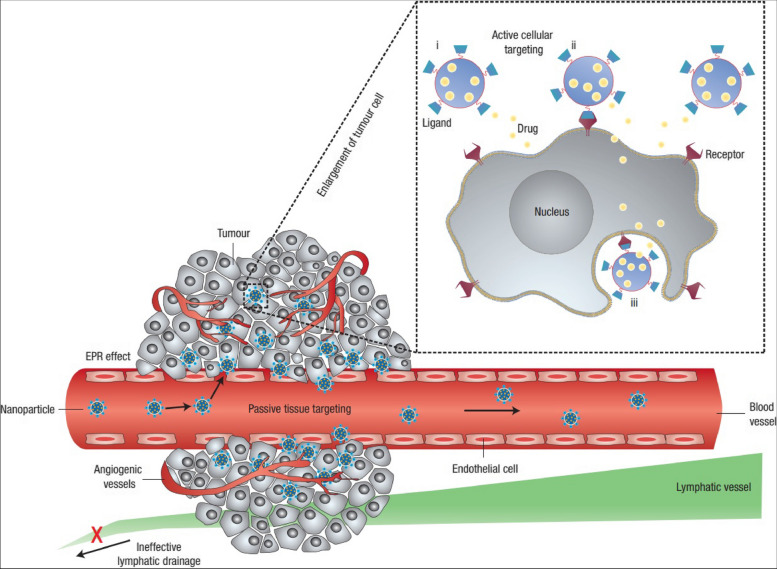
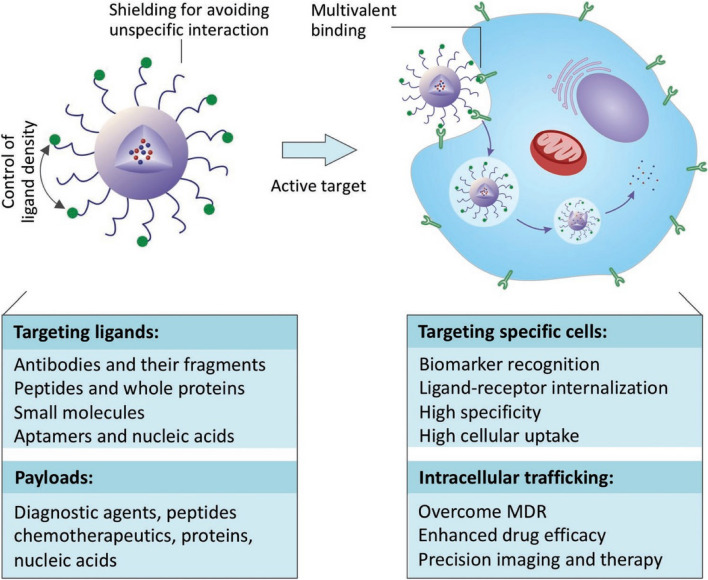
Various ways in which nanocarriers can transport drugs to tumors, using polymeric nanoparticles as a representative example. To achieve passive tissue targeting, the nanoparticles extravasate through the tumor vasculature due to increased permeability and inefficient lymphatic drainage (ePr effect). Active cellular targeting can be accomplished by modifying the surface of the nanoparticles with ligands that promote recognition and binding to specific cells. Nanoparticles can then either (i) release their contents in close proximity to the target cells; (ii) adhere to the cell membrane and serve as an extracellular sustained-release drug reservoir; or (iii) become internalized by the cell. Reprint from [132] with a permission from Springer Nature
Fig. 9
Fig. 9
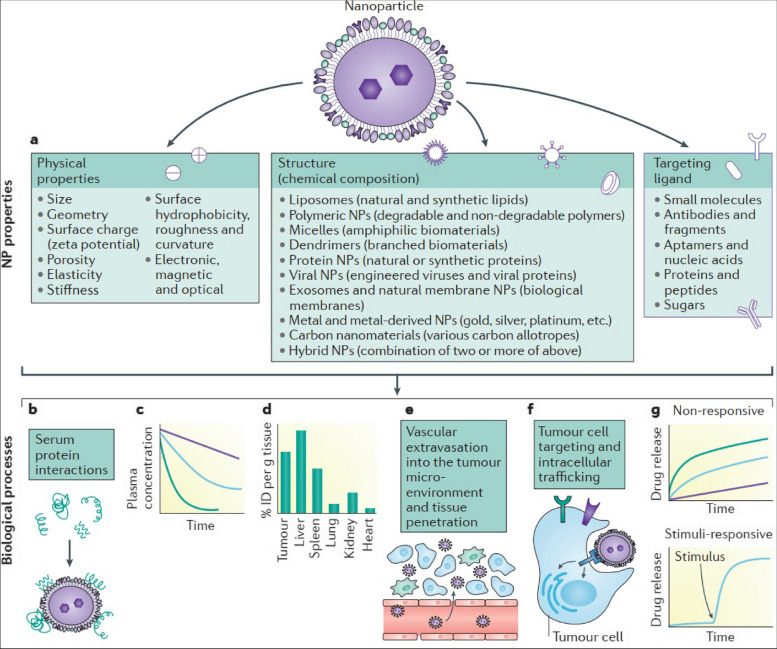
The characteristics of nanoparticles impact their ability to be delivered systemically to tumors. Nanoparticles are composed of various materials and possess different physical and chemical attributes, such as size, shape, surface properties, and flexibility, and can be modified with diverse ligands to target tumors. These properties influence the biological mechanisms involved in delivering nanoparticles to tumors, including interactions with serum proteins, circulation in the bloodstream, distribution throughout the body, penetration through the tumor's blood vessels and tissues, targeting of tumor cells, and intracellular movement. Additionally, nanoparticles can be engineered to control the release of their contents. Reprint from [177] with a permission from Springer Nature
Fig. 10
Fig. 10
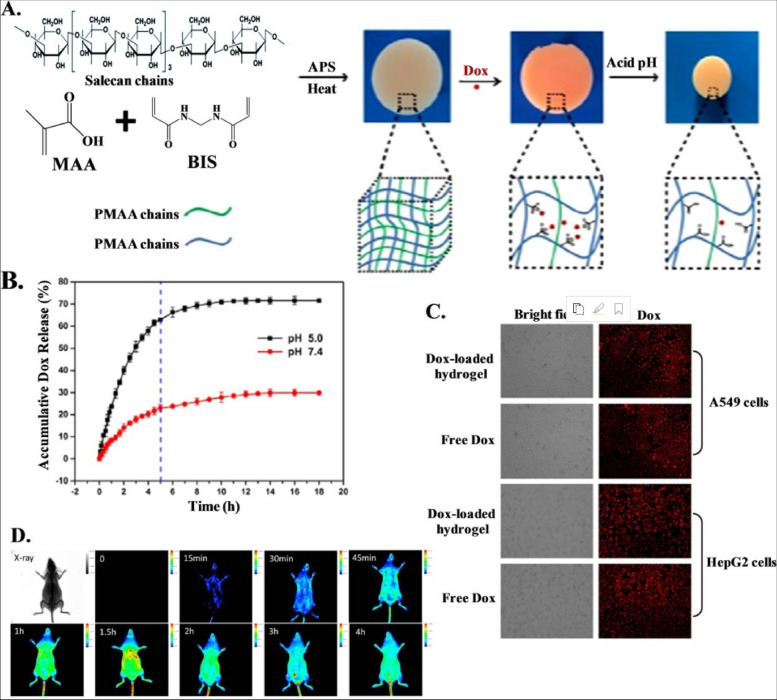
The use of hydrogel as a vehicle for controlling drug delivery. A the process of preparing and releasing drugs from Salecan/PMAA semi-IPN hydrogels; B the in vitro behavior of Dox release from the semi-IPN sample under two different pH values; C images obtained using fluorescent microscopy of A549 and HepG2 cells after 4 h of incubation with 6 μg/mL free Dox solutions and the extract liquid of Dox-loaded hydrogel; and (D) real-time fluorescence images of FITC-labeled PMAA nanohydrogels in ICR mice. Reprint from [180] with a permission from Springer Nature
Fig. 11
Fig. 11
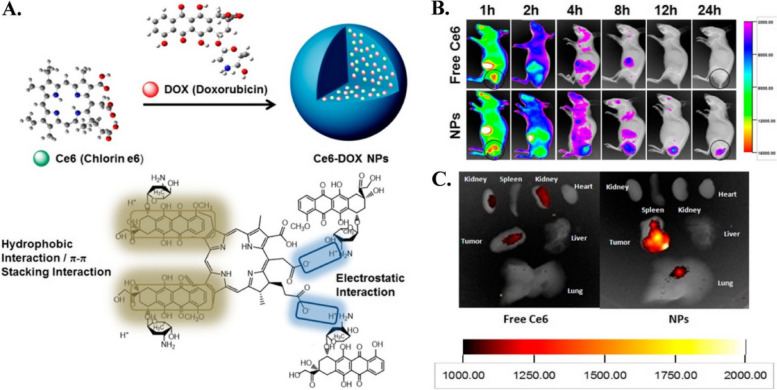
The co-assembly of a drug and a photosensitizer to improve tumor size imaging during treatment. A A diagram illustrating the creation of carrier-free nanoparticles (NPs) through the co-assembly of DOX and Ce6. B In vivo fluorescence images of free Ce6 solution and Dox/Ce6 nanoparticles (NPs) are presented. The black circles indicate the tumor tissue. C Representative ex vivo fluorescence images of the tumor and organs from Balb/c nude mice xenografted with MCF-7 tumor, 24 h after injection, are displayed. Reprint from [180] with a permission from Springer Nature
Fig. 12
Fig. 12
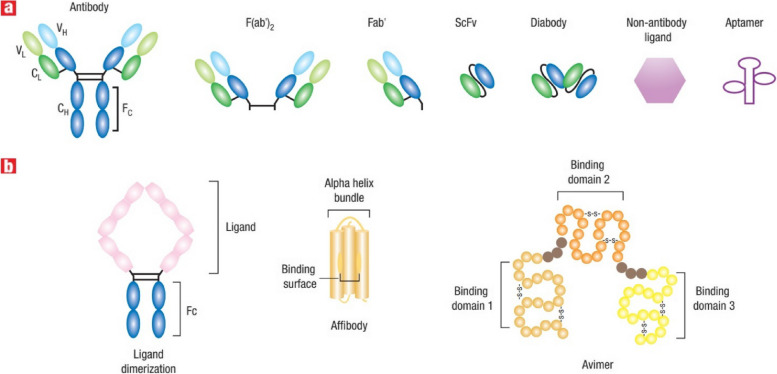
Different types of targeting agents and strategies to enhance their affinity and selectivity in two parts. Part a shows various targeting molecules, such as monoclonal antibodies or fragments, non-antibody ligands, and aptamers. Antibody fragments, such as F(ab')2 and Fab', are generated by enzymatic cleavage, while molecular biology techniques produce Fab', scFv, and bivalent scFv (diabody) fragments. The antibody structure comprises the variable heavy chain (vH), variable light chain (vL), constant heavy chain (CH), and constant light chain (CL). Non-antibody ligands consist of vitamins, carbohydrates, peptides, and other proteins. Aptamers can be made up of DNA or RNA. Part b outlines methods to enhance affinity and selectivity, such as ligand dimerization or screening for conformation-sensitive targeting agents like affibodies, avimers, and nanobodies. Ligand dimerization involves linking two ligands together, which increases binding affinity. Conformation-sensitive targeting agents are proteins that recognize specific three-dimensional structures and differentiate between closely related molecules. Intact antibodies and their fragments are also useful for enhancing affinity and selectivity. Reprint from [132] with a permission from Springer Nature
Fig. 13
Fig. 13
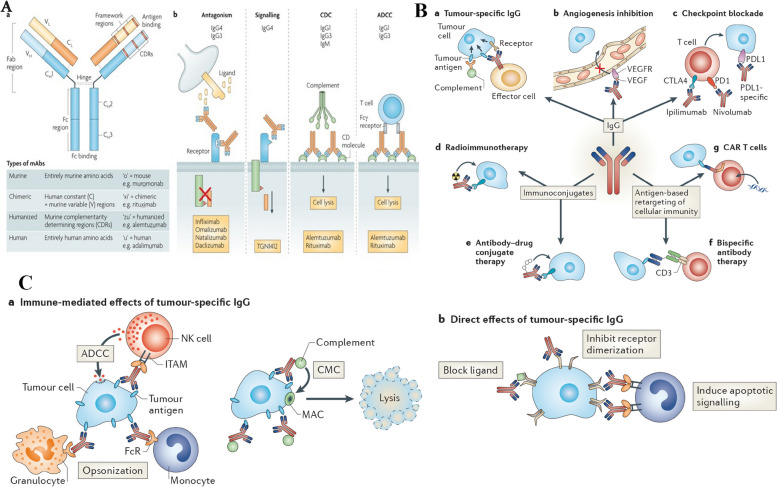
A The evolution and characteristics of monoclonal antibodies (mAbs) in terms of their structure and function. The different types of mAbs that have been developed over time, starting from murine mAbs and progressing to chimeric mAbs, humanized mAbs, and fully human mAbs. Reprint from [191] with a permission from Lancet Publishing Group. B Various strategies employed in monoclonal antibody (mAb) cancer therapeutics. Various strategies employed in monoclonal antibody (mAb) cancer therapeutics include targeting specific cancer cell surface antigens, blocking signaling pathways crucial for tumor growth, enhancing the immune system's ability to recognize and destroy cancer cells, and conjugating mAbs with toxins to deliver targeted cytotoxic effects. These diverse approaches have contributed to the success of mAb therapies in treating cancer. Reprint from [192] with a permission from Springer Nature. C The mechanisms of action of monoclonal antibodies (mAbs) that specifically target cancer cells. These mAbs exert their antitumor effects through various means, which are commonly studied in laboratory settings. However, determining the individual contributions of these mechanisms to the clinical responses observed during mAb therapy is challenging. Reprint from [192] with a permission from Springer Nature
Fig. 14
Fig. 14
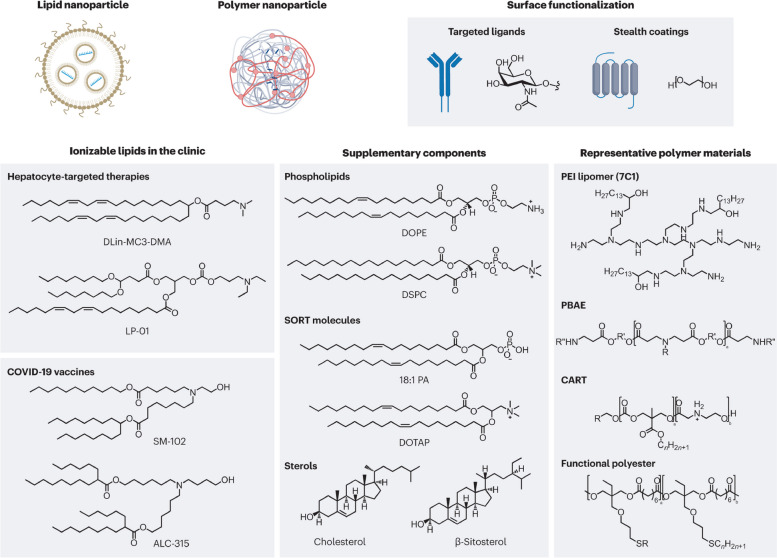
The cutting-edge development in the field of genetic drug delivery using self-assembled nanoparticles made from lipid and polymer materials. Currently, the most advanced system for delivering genetic drugs in clinical settings is lipid nanoparticles incorporating an ionizable lipid. These materials contain a tertiary amine that can acquire a charge at acidic pH, enabling the loading of nucleic acids during formulation and facilitating their release from endosomes after cellular uptake. Examples of ionizable lipids include Dilinoleylmethyl-4-dimethylaminobutyrate (DLin-MC3-DMA) found in the FDA-approved drug Onpattro, LP-01 in Intellia Therapeutics' clinical candidates NTLA-2001 and NTLA-2002 for liver gene editing, and SM-102 and ALC-315, which are ionizable lipid components of the Moderna and Pfizer-BioNTech vaccines, respectively. Alternatively, certain polymers containing ionizable amine groups can also be utilized for nanoparticle formulation, with the choice of monomers affecting delivery efficiency and tissue selectivity. In both ionizable lipids and polymers, additional components can be added to enhance nanoparticle stability, fusogenicity (ability to merge with cellular membranes), and selectivity. Furthermore, the surfaces of these nanoparticles can be modified using synthetic or biological targeting ligands and stealth coatings to alter their circulation time, biodistribution, and cellular uptake. By loading nucleic acid biomolecules into nanoparticles, it becomes possible to reprogram the fundamental principles of biology through gene silencing, expression, and editing to correct disease processes. 18:1 PA (1,2-dioleoyl-sn-glycero-3-phosphatidic acid), CART (charge-altering releasable transporter), DOPE (1,2-dioleoyl-sn-glycero-3-phosphoethanolamine), DOTAP (1,2-dioleoyl-3-trimethylammonium-propane), DSPC (1,2-distearoyl-sn-glycero-3-phosphocholine), PBAE (poly(beta-amino ester)), PEI (polyethyleneimine), SORT (selective organ targeting). Reprint from [200] with a permission from Springer Nature
Fig. 15
Fig. 15
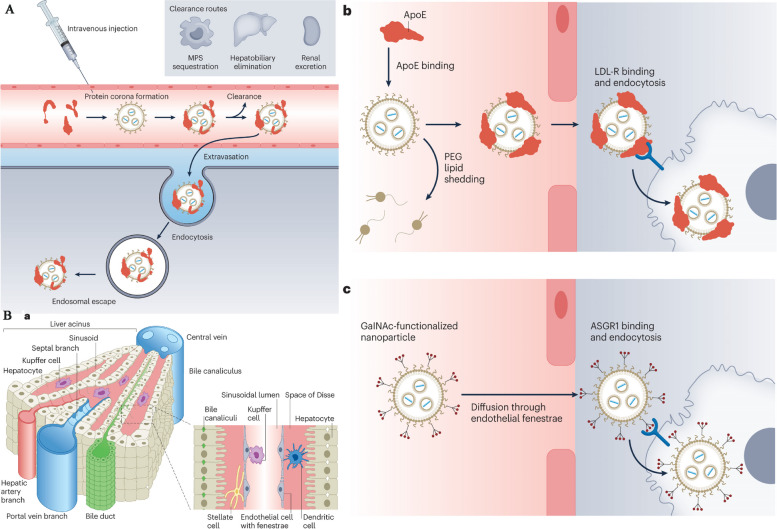
A The path of a tiny particle within the human body after it is injected intravenously. When the particle enters the bloodstream, it often attracts plasma proteins, forming a layer called the protein corona on its surface. The composition of this corona is affected by the properties and makeup of the particle's surface. In order to reach the intended organ, the particle needs to leave the blood vessels (a process known as extravasation) by either passing through gaps in the endothelium (a size-dependent mechanism) or actively interacting with specific receptors on the endothelium through transcytosis. After extravasation, the particle must interact with target cells and be internalized by them. It must then escape from the endosome into the cytosol and release its genetic payload. Throughout this journey, the particle can be eliminated from the bloodstream through various mechanisms such as the mononuclear phagocytic system (MPS), hepatobiliary elimination via feces, or renal excretion through urine. These processes restrict the amount of the injected particle dose that actually reaches the intended target site. Therefore, measures must be taken to minimize their impact. Reprint from [200] with a permission from Springer Nature. B Lipid nanoparticles have reached an advanced stage of development for delivering genetic drugs to the liver. a) The liver consists of four distinct types of cells. When nanoparticles are present in the bloodstream, they can be captured by Kupffer cells, absorbed by liver sinusoidal endothelial cells, or pass through the wide openings in the liver endothelium into the Space of Disse. In the Space of Disse, the nanoparticles can target hepatic stellate cells or hepatocytes. The hepatobiliary system can eliminate nanoparticles from the body through the bile duct. b) A clinically validated approach for delivering small interfering RNA to hepatocytes involves the natural targeting of liver cells. For instance, in the case of Onpattro lipid nanoparticles, the polyethylene glycol (PEG) lipid on the surface of the nanoparticles is exchanged with apolipoprotein E (ApoE) in the blood. The binding of ApoE to the nanoparticle surface enables its interaction with the low-density lipoprotein receptor (LDL-R), which is highly expressed by hepatocytes, leading to endocytosis. c) Another way to actively target hepatocytes is by modifying the nanoparticle surface with a ligand called N-acetylgalactosamine (GalNAc) and reducing non-specific protein binding through extensive PEGylation. GalNAc binds to the asialoglycoprotein receptor 1 (ASGR1), facilitating the uptake of nanoparticles by hepatocytes. Therefore, certain measures need to be taken to minimize their effects. Reprint from [200] with a permission from Springer Nature
Fig. 16
Fig. 16
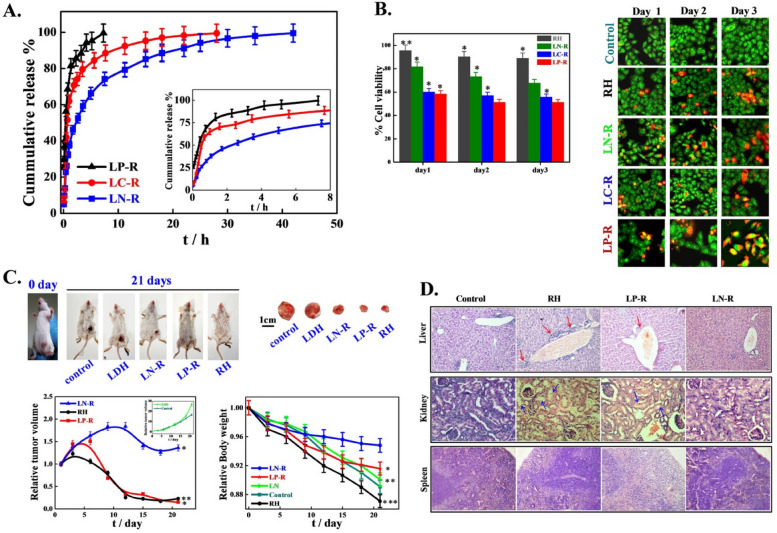
The utilization of layered double hydroxides to control the release of drugs in both in vitro and in vivo settings and their consequent effects. A In vitro drug release profiles for three different drugs intercalated LDHs- nitrate, carbonate, and phosphate (LN-R, LC-R, and LP-R respectively) are displayed, along with an inset figure showcasing their release pattern within the first 8 h. B The cytotoxicity of the free drug and drug intercalated LDHs against HeLa cells at various time intervals is demonstrated. C The antitumor effect and systematic toxicity of pure RH and drug intercalated LDHs are shown in comparison to the control group in an in vivo setting. D Finally, the histological analysis of liver, kidney, and spleen of tumor-bearing mice treated with control (saline), pure RH, LN-R, and LP-R are illustrated. Reprint from [180] with a permission from Springer Nature
Fig. 17
Fig. 17
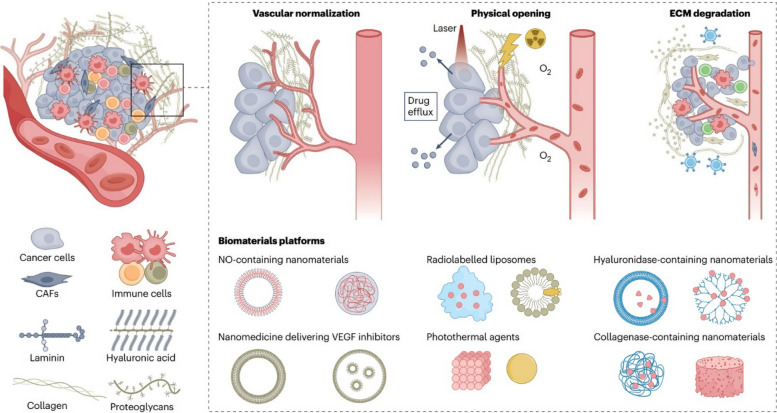
Breaching the tumor barrier physically. Immune cell infiltration can be facilitated by physically disrupting the tumor microenvironment using biomaterials-based instruments that help stabilize the blood vessels. This can be achieved through the use of radiolabeled or photothermal agents, followed by the application of laser or radiation, as well as employing nanomaterials that release enzymes to break down the extracellular matrix (ECM). Reprint from [244] with a permission from Springer Nature
Fig. 18
Fig. 18
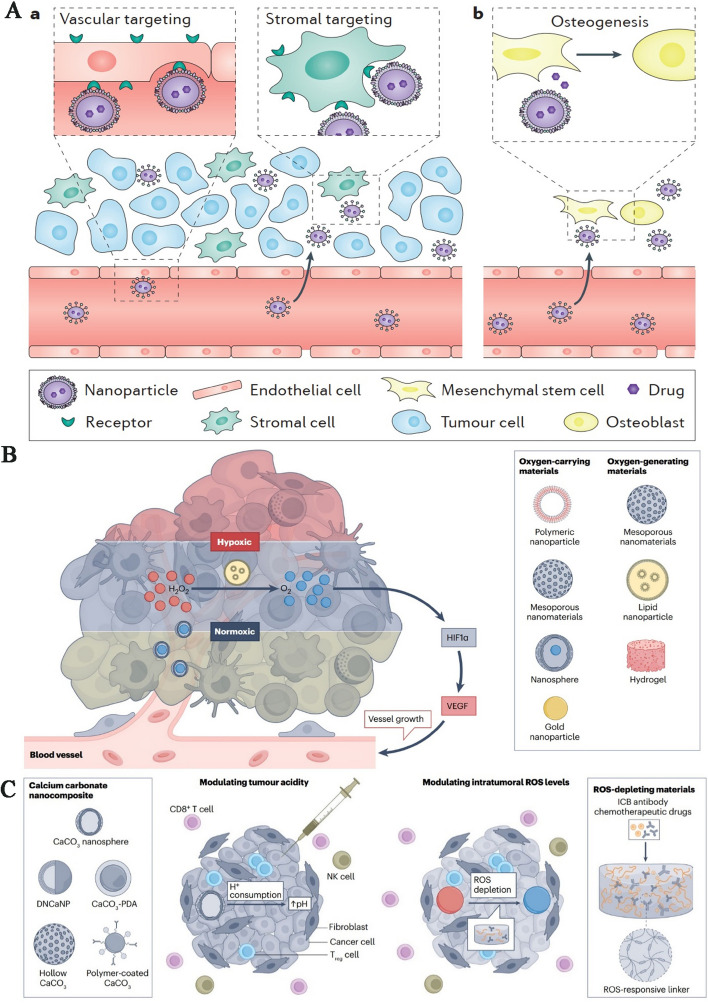
A The use of nanoparticles to target the microenvironments of tumors and premetastatic areas. Part A shows how the tumor vasculature or stromal cells in the tumor microenvironment can be targeted. Part B shows targeting of premetastatic microenvironments such as the bone marrow niche, where nanoparticles can be used to enhance bone strength and volume through osteogenic differentiation of mesenchymal stem cells. To achieve cell-specific targeting, nanoparticles can be modified with ligands that bind to specific receptors on the surface of target cells. However, even without targeting ligands, nanoparticles can still be engineered for preferential uptake by these cells. The cells can also take up the payloads released from the nanoparticles that are localized in tumors or premetastatic tissues, even in a non-specific manner. Reprint from [177] with a permission from Springer Nature. B Manipulating tumor hypoxia using biomaterials. A range of biomaterial-based techniques, such as oxygen production and transportation systems, can be utilized to control hypoxia within tumors and their surrounding microenvironments. Reprint from [244] with a permission from Springer Nature. C Utilizing Biomaterials to Decrease Tumor Acidity and Control ROS Levels. A variety of biomaterials-focused approaches, especially those involving calcium-carbonate-based materials, can be introduced into the tumor surroundings to counteract tumor acidity. Reactive oxygen species (ROS) levels can be regulated using oxygen-free radical-absorbing hydrogels. These hydrogels can also serve as vehicles for delivering antibodies and chemotherapy medications. DNCaNP refers to liposome-encapsulated calcium nanoparticles, ICB stands for immune checkpoint blockade, PDA denotes polydopamine, and Treg cell represents regulatory T cells. Reprint from [244] with a permission from Springer Nature
Fig. 19
Fig. 19
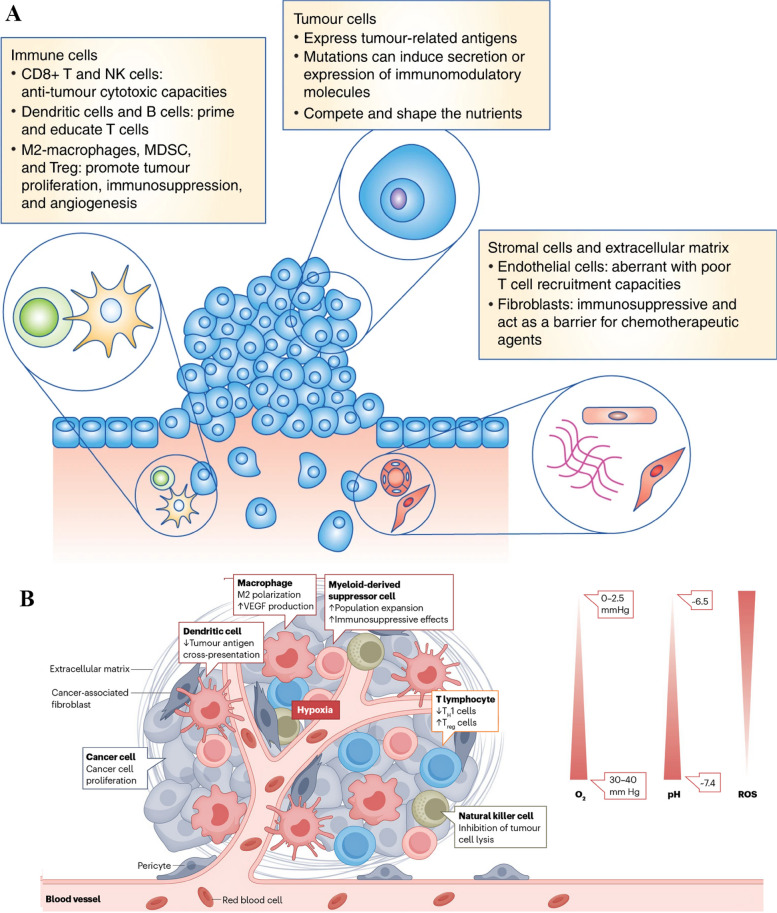
A The key elements within the cancerous tumor environment, focusing on how immune cells are influenced. It highlights the role of MDSCs (myeloid-derived suppressor cells) and Tregs (regulatory CD4 + T cells) in shaping the immune cell composition within this environment. Reprint from [268] with a permission from Springer Nature. B The Cancer Microenvironment. The physical and chemical characteristics of the cancer microenvironment, such as oxygen levels, pH, and reactive oxygen species (ROS), have an impact on both cancer and immune cells. M2 refers to M2-type macrophages, while VEGF denotes vascular endothelial growth factor. Reprint from [244] with a permission from Springer Nature
Fig. 20
Fig. 20
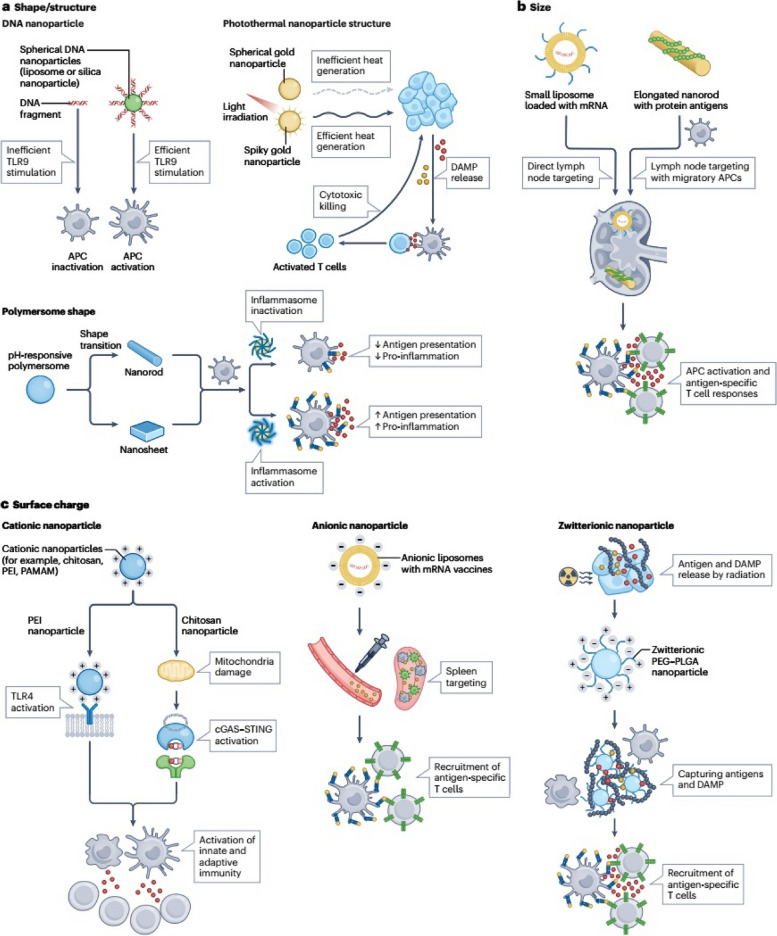
The regulation of immune responses in cancer immunotherapy by nanomaterials' physical properties. A, The shape of nanomaterials can directly or indirectly influence immune responses in innate immune cells. Spherical DNA nanoparticles more effectively stimulate the TLR9 pathway to enhance innate immunity compared to linear DNA fragments. Pointed gold nanoparticles have a higher photothermal efficiency than spherical ones, resulting in greater DAMP release and stronger antitumor immunity. pH-responsive shape transitions from spheres to nanosheets promote inflammasome activation by destabilizing lysosomes, yielding better antitumor immunity than nanorods. The size of organic or inorganic nanomaterials impacts lymph node targeting and nanoparticle retention kinetics, affecting both innate and adaptive immunity for antigen-specific immunogenicity. B, Nanoparticle size influences immunological responses in both innate and adaptive immunity. Adjusting nanoparticle size affects targeting locations; smaller nanoparticles target lymph nodes, while larger ones target antigen-presenting cells (APCs). Large nanoparticles with CD3/CD28 antibodies bind more effectively to T cell receptors than small ones, enhancing T cell immunity. Mesoporous silica nanoparticles with larger pores enable rapid release of immunostimulatory molecules, sensitizing APCs to trigger antitumor responses. C, The surface charge of nanomaterials can directly or indirectly stimulate immune responses. Cationic nanoparticles boost innate immune signaling in APCs, leading to antitumor responses. Anionic nanoparticles, such as mRNA vaccines, when administered systemically, preferentially target the spleen, inducing tumor-specific immunity. Zwitterionic nanoparticles can capture antigens and release DAMPs from dying tumor cells, reprogramming APCs to activate antigen-specific T cell immune responses. Reprint from [130] with a permission from Springer Nature
Fig. 21
Fig. 21
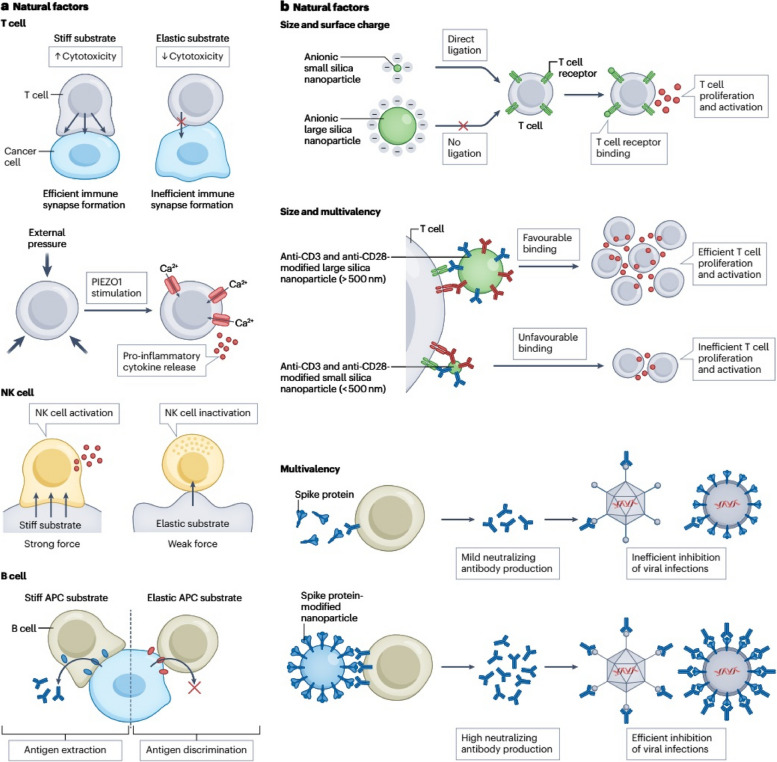
Impact of nanomaterial physical properties on immune cell function. A, T cell immunity is affected by substrate stiffness and external forces. Rigid substrates facilitate the formation of immunological synapses with T cells, enhancing their cytotoxic capabilities. Mechanical stress activates T cells by stimulating PIEZO1 mechanosensory ion channels. Substrate rigidity is also crucial for regulating natural killer (NK) cell immunity. B cells selectively extract antigens from APCs based on the rigidity of the APC membranes. B, Several physical factors in nanomaterial design influence T cell activation. The dimensions and surface charges of nanomaterials modify direct binding to T cell receptors. The size and multivalency of nanoparticles mimicking APCs affect T cell activation and growth. Multivalent spiky protein nanoparticles interact more effectively with B cell receptors, promoting antibody production compared to uncoated spike proteins. Reprint from [130] with a permission from Springer Nature
Fig. 22
Fig. 22
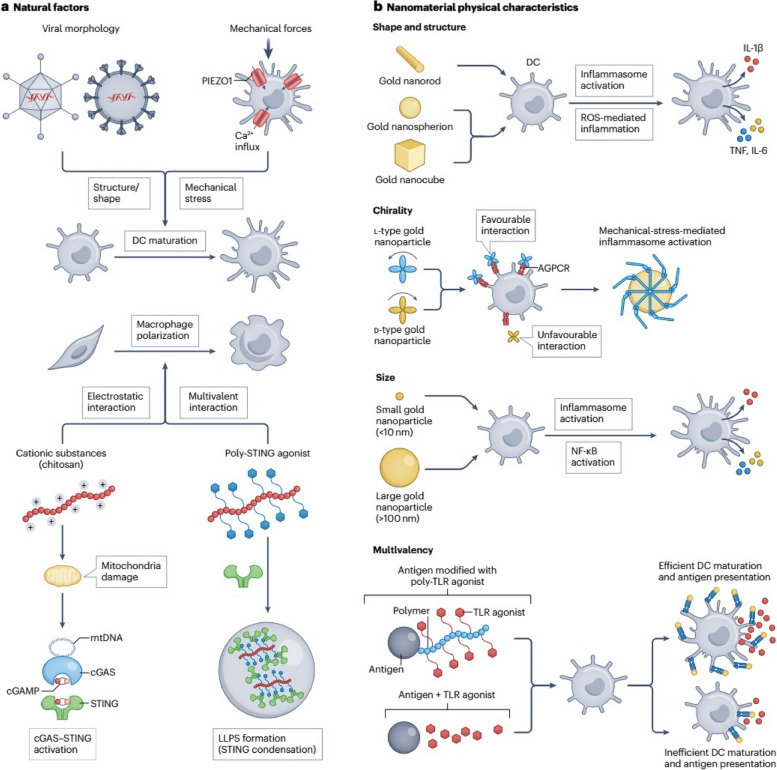
Factors affecting immune functions in dendritic cells and macrophages. A, The immune responses of dendritic cells (DCs) and macrophages are influenced by the physical properties of their surrounding environment, including shape, mechanical forces, surface charge, and multivalency. DCs and macrophages can detect the shape of foreign substances (e.g., viruses) and modify immune signaling accordingly. Mechanical stress activates PIEZO1 ion channels in antigen-presenting cells, leading to calcium influx and cell activation. Natural polysaccharides with cationic charges (e.g., chitosan) can damage mitochondria, causing the release of mitochondrial DNA (mtDNA) and the upregulation of type I interferon responses via the cGAS-STING pathway. Poly-STING agonists activate STING signaling through multivalent interactions that cause STING condensation. B, The physical properties of nanomaterials, such as shape, structure, chirality, size, and multivalency, can affect innate immune signaling in DCs and macrophages. Different shapes and structures of gold nanoparticles can alter pro-inflammatory signaling pathways (nanorods activate NLRP3 inflammasomes; nanospheres and nanocubes induce ROS-mediated inflammation). The chirality of inorganic nanoparticles can also impact immunogenicity by interacting with specific chiral receptors like adhesion G protein-coupled receptors (AGPCRs). Small gold nanoparticles (< 10 nm) stimulate the inflammasome axis, while large gold nanoparticles (> 100 nm) activate NF-κB pathways. Multivalent TLR agonists combined with antigens enhance DC maturation and antigen cross-presentation more efficiently. cGAMP, cyclic GMP–AMP; LLPS, liquid–liquid phase separation; TNF, tumor necrosis factor. Reprint from [130] with a permission from Springer Nature
Fig. 23
Fig. 23
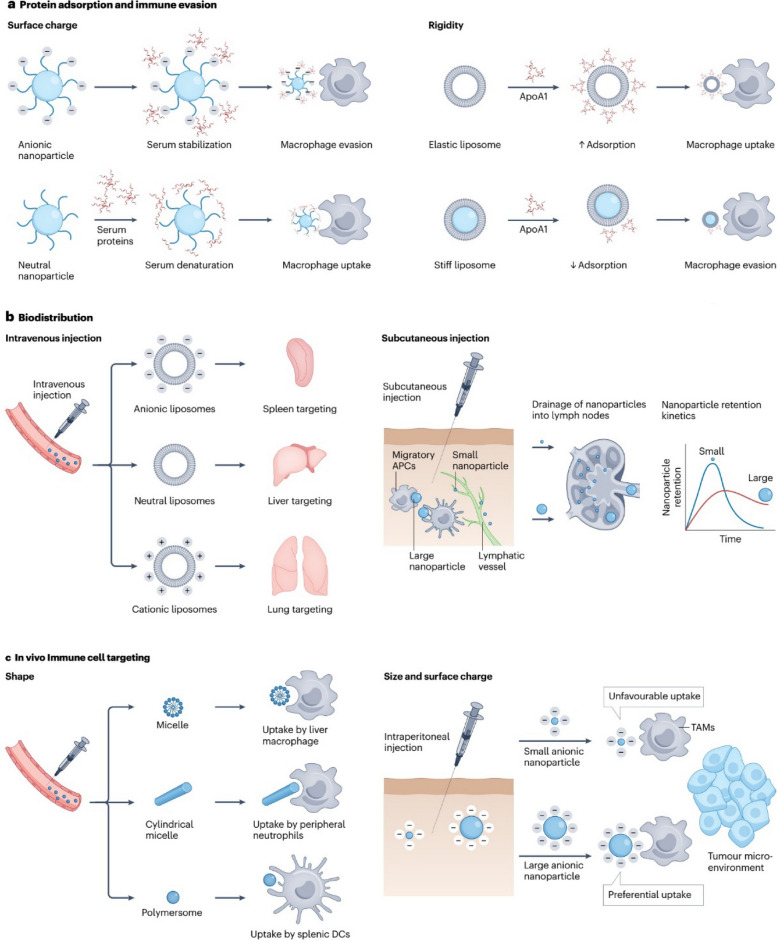
Influence of nanomaterial physical properties on physiological outcomes. A, Various nanomaterial features impact protein adsorption and immune system interactions. Altering nanoparticle surface charges influences the preservation of serum proteins, which can be identified by circulating macrophages. The rigidity of liposomes determines the specific protein type that adsorbs to the surface, which in turn affects liposome clearance by macrophages. (B), Several nanomaterial properties also affect targeting locations. Surface charge manipulation of systemically delivered liposomes helps determine the target organs. The size of subcutaneously injected nanoparticles can directly or indirectly control lymph node targeting and nanoparticle retention kinetics within lymph nodes. C, Adjusting physical properties in nanomaterial design dictates interactions with particular immune cell subtypes. Nanomaterial shapes play a role in their engagement with specific innate immune cell subsets from various organs. Both surface charge and size help direct the targeting of tumor-associated macrophages (TAMs) within the tumor microenvironment. APC denotes antigen-presenting cell; ApoA1 represents apolipoprotein A1; and DC refers to dendritic cell. Reprint from [130] with a permission from Springer Nature
Fig. 24
Fig. 24
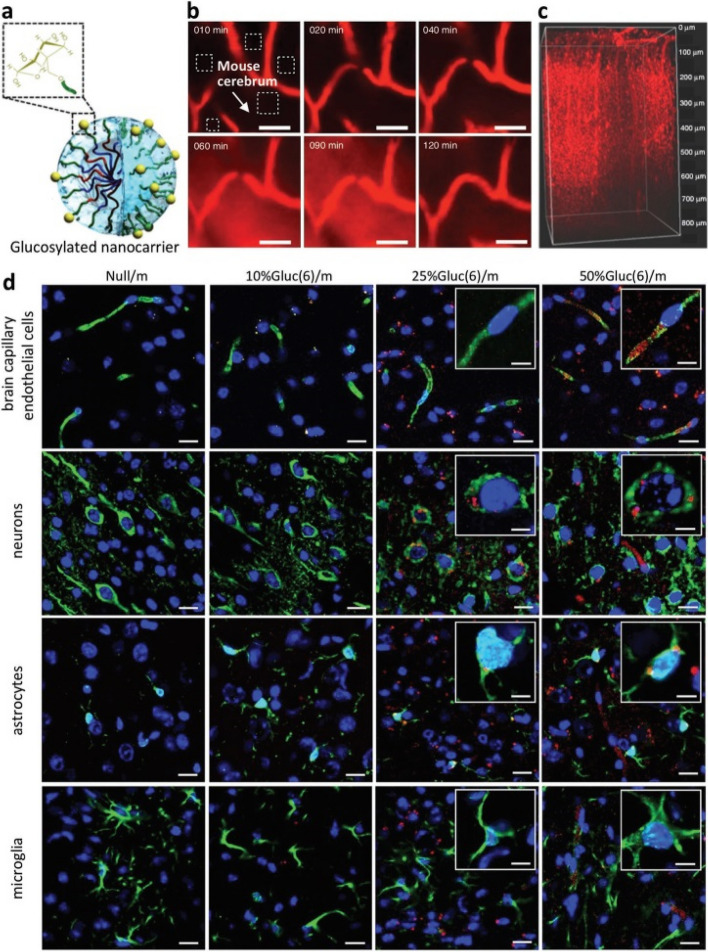
The use of nanocarriers to target the blood–brain barrier (BBB). The nanocarriers are modified with a glucose ligand on their surface (referred to as Gluc(6)/m), which allows them to bind to receptors in the BBB. Real-time observations show that the 25%Gluc(6)/m nanocarriers can successfully cross the BBB. Intravital multiphoton microscopy images of mouse cerebrum 48 h after administration show the presence of Gluc(6)/m nanocarriers (in red) in the brain. Immunohistochemical staining of mouse brains after administration of Null/m, 10%Gluc(6)/m, 25%Gluc(6)/m, and 50%Gluc(6)/m (in red) for 48 h, while the brain capillary endothelial cells, neurons, microglia, and astrocytes are stained in green color. These results demonstrate the potential of the Gluc(6)/m nanocarriers for targeted drug delivery to the brain. Reprint from [34] with a permission from Wiley
Fig. 25
Fig. 25
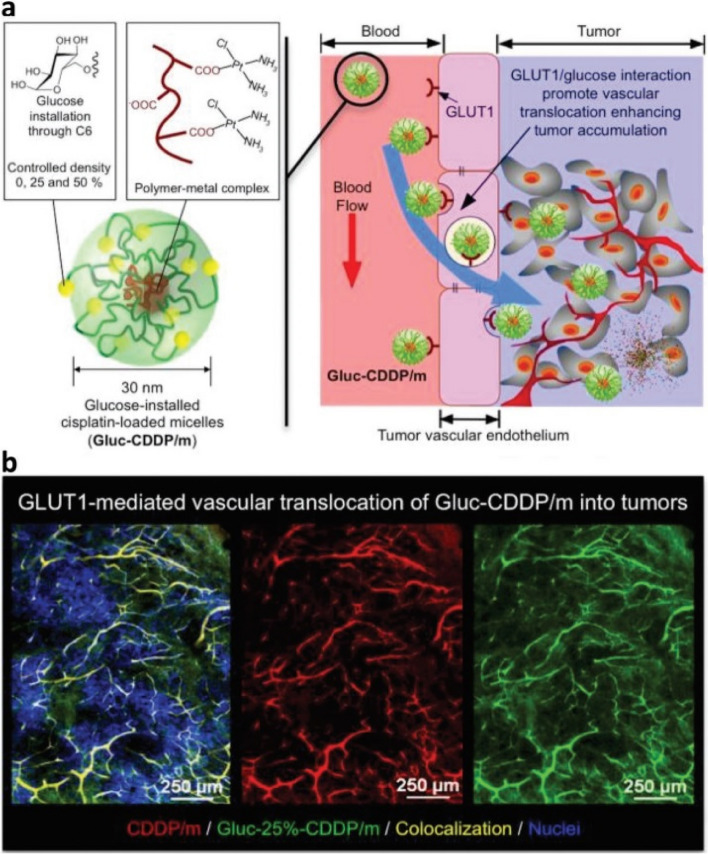
The targeting of tumor vasculature by nanocarriers equipped with ligands. The first image (A) shows the targeting of tumors by cisplatin-loaded polymeric micelles with glucose installed (Gluc-CDDP/m). These micelles use the GLUT1-glucose pathway to enhance their accumulation in tumors and improve their anti-tumor efficacy. The second image (B) demonstrates the GLUT1-mediated vascular translocation of CDDP/m into tumors. Both images (A and B) depict the targeting of tumor vasculature by ligand-installed nanocarriers. Reprint from [34] with a permission from Wiley
Fig. 26
Fig. 26
A visual representation of nanocarriers equipped with ligands that facilitate targeted cellular internalization. Reprint from [34] with a permission from Wiley
Fig. 27
Fig. 27
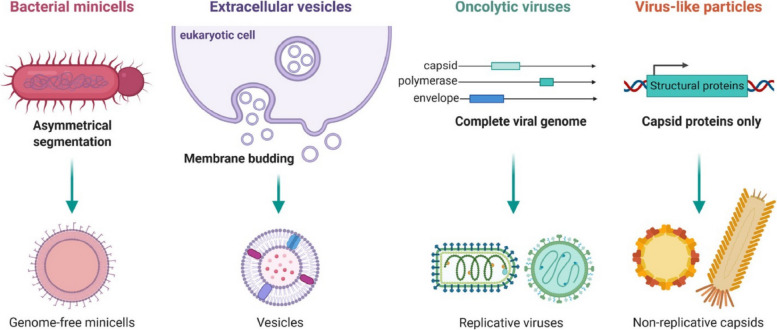
The formation of biological nanovectors, which can be derived from either prokaryotic (bacterial minicells), eukaryotic (extracellular vesicles), or viral sources (oncolytic viruses and virus-like particles). Bacterial minicells are achromosomal vesicles that can be generated by deleting the Min operon through genetic engineering in Gram-positive or Gram-negative bacteria. On the other hand, extracellular vesicles are produced by eukaryotic cells through the outward budding of the plasma membrane (microvesicles) or the inward budding and exocytosis (exosomes). With regard to viruses, live-attenuated oncolytic viruses contain a complete genome that enables them to replicate specifically in transformed cells, while virus-like particles consist only of structural proteins and are not capable of replication. Reprint from [131] with a permission from Springer Nature

References

    1. Chehelgerdi M, Doosti A. Effect of the cagW-based gene vaccine on the immunologic properties of BALB/c mouse: An efficient candidate for Helicobacter pylori DNA vaccine. J Nanobiotechnol. 2020;18(1):1–6. - PMC - PubMed
    1. Bayda S, Adeel M, Tuccinardi T, Cordani M, Rizzolio F. The history of nanoscience and nanotechnology: from chemical-physical applications to nanomedicine. Molecules. 2019;25(1):112. - PMC - PubMed
    1. Das SS, Bharadwaj P, Bilal M, Barani M, Rahdar A, Taboada P, et al. Stimuli-responsive polymeric nanocarriers for drug delivery, imaging, and theragnosis. Polymers (Basel) 2020;12(6):1397. - PMC - PubMed
    1. Shams F, Golchin A, Azari A, Mohammadi Amirabad L, Zarein F, Khosravi A, et al. Nanotechnology-based products for cancer immunotherapy. Mol Biol Rep. 2022:1–24. - PMC - PubMed
    1. Li J, Zhao J, Tan T, Liu M, Zeng Z, Zeng Y, et al. Nanoparticle drug delivery system for glioma and its efficacy improvement strategies: A comprehensive review. Int J Nanomed. 2020. 2563–82. - PMC - PubMed

Publication types