


Alveolar macrophages in lung cancer: opportunities challenges
- PMID: 37822933
- PMCID: PMC10562548
- DOI: 10.3389/fimmu.2023.1268939
Alveolar macrophages in lung cancer: opportunities challenges
Erratum in
-
Corrigendum: Alveolar macrophages in lung cancer: opportunities and challenges.Front Immunol. 2023 Nov 6;14:1328927. doi: 10.3389/fimmu.2023.1328927. eCollection 2023. Front Immunol. 2023. PMID: 38022510 Free PMC article.
Abstract
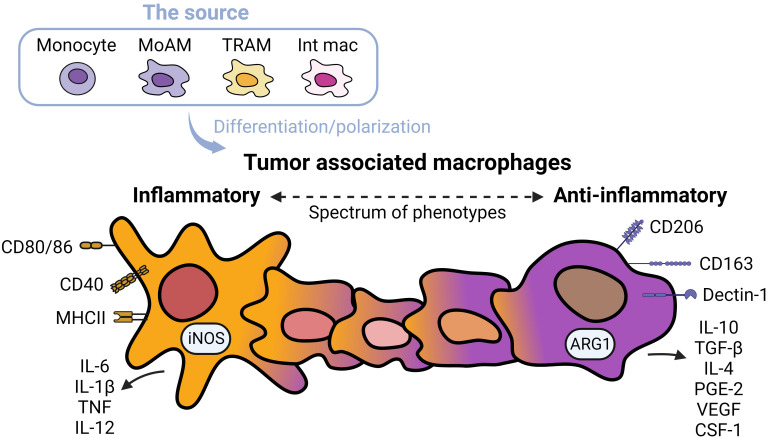
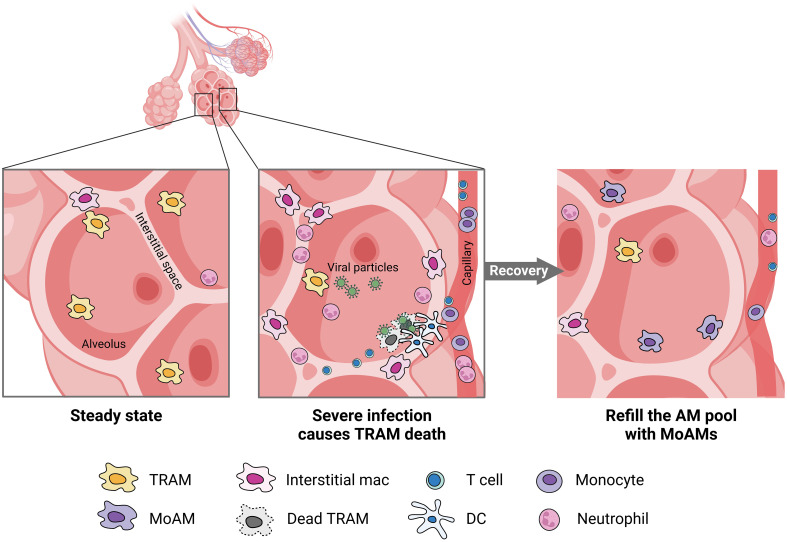
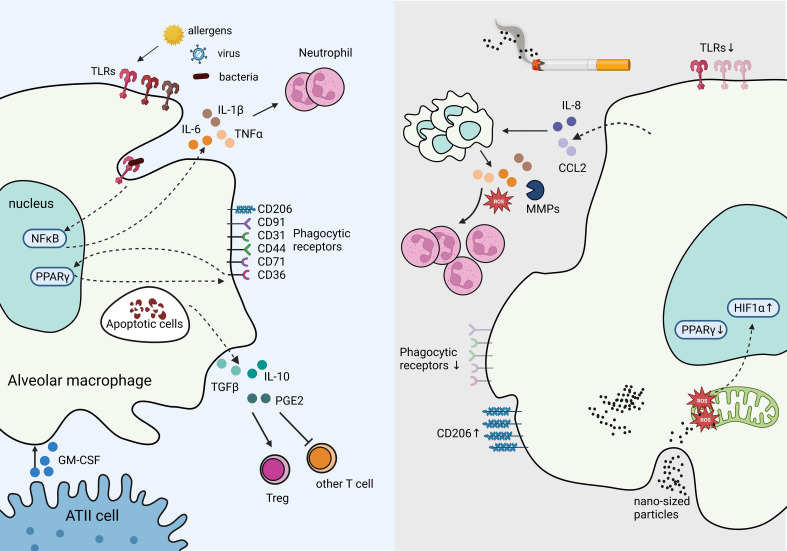
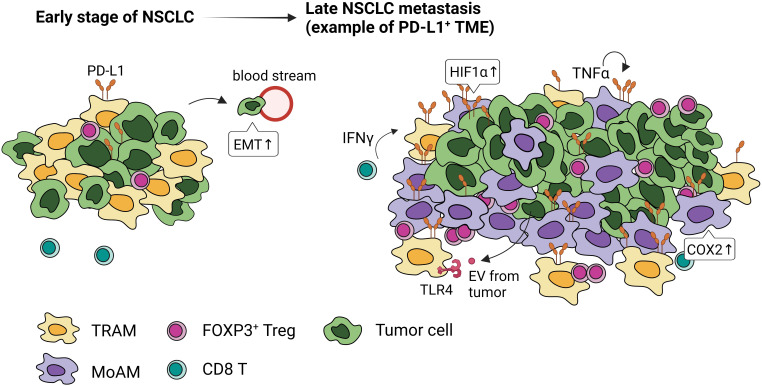
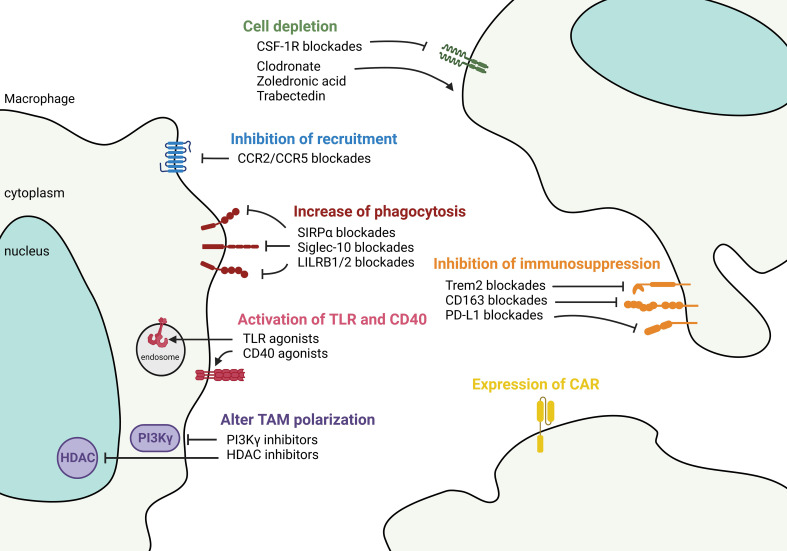
Alveolar macrophages (AMs) are critical components of the innate defense mechanism in the lung. Nestled tightly within the alveoli, AMs, derived from the yolk-sac or bone marrow, can phagocytose foreign particles, defend the host against pathogens, recycle surfactant, and promptly respond to inhaled noxious stimuli. The behavior of AMs is tightly dependent on the environmental cues whereby infection, chronic inflammation, and associated metabolic changes can repolarize their effector functions in the lungs. Several factors within the tumor microenvironment can re-educate AMs, resulting in tumor growth, and reducing immune checkpoint inhibitors (ICIs) efficacy in patients treated for non-small cell lung cancer (NSCLC). The plasticity of AMs and their critical function in altering tumor responses to ICIs make them a desirable target in lung cancer treatment. New strategies have been developed to target AMs in solid tumors reprograming their suppressive function and boosting the efficacy of ICIs. Here, we review the phenotypic and functional changes in AMs in response to sterile inflammation and in NSCLC that could be critical in tumor growth and metastasis. Opportunities in altering AMs' function include harnessing their potential function in trained immunity, a concept borrowed from memory response to infections, which could be explored therapeutically in managing lung cancer treatment.
Keywords: immune checkpoint inhibitors; lung cancer; smoking; tissue-resident alveolar macrophages; tumor microenvironment; tumor-associated macrophages.
Copyright © 2023 Chang, Armstrong, Corry and Kheradmand.
Conflict of interest statement
The authors declare that the research was conducted in the absence of any commercial or financial relationships that could be construed as a potential conflict of interest.
Figures
References
Publication types
MeSH terms
Grants and funding
LinkOut - more resources
Full Text Sources
Medical
