


Perceptions and stress of conscience in relation to burnout among nursing staff in older people care settings: a cross sectional study
- PMID: 37833719
- PMCID: PMC10571441
- DOI: 10.1186/s12912-023-01529-w
Perceptions and stress of conscience in relation to burnout among nursing staff in older people care settings: a cross sectional study
Abstract
Background: Considering cultural influences, it is important to study the perceptions and stress of conscience in different contexts. This study aimed to investigate the association between perceptions of conscience, stress of conscience, and burnout among nursing staff working in older people care settings in Tehran.
Methods: This was a descriptive, cross-sectional study. A total of 161 participants completed the Perceptions of Conscience Questionnaire, Stress of Conscience Questionnaire, and Oldenburg Burnout Inventory, 2019. All nursing staff working at the 20 contacted nursing homes agreed to participate in the study. The descriptive and inferential analysis was conducted through SPSS, using T-tests and one-way between-groups analysis of variance, Chi-square and t-tests, Cohen's d (d), Eta-squared (η2), and Phi coefficient (φ), Partial least squares regression (PLSR), jackknife approximate t-tests of the regression coefficients, and jackknife 95% confidence intervals of the regression coefficients.
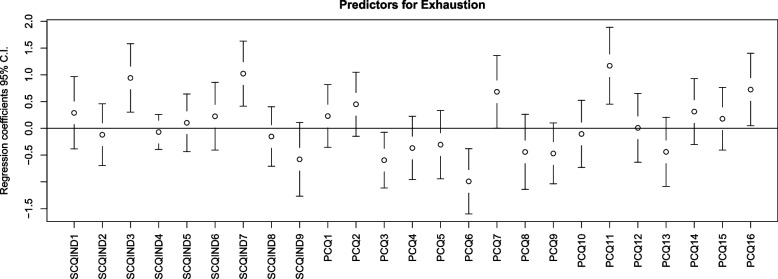
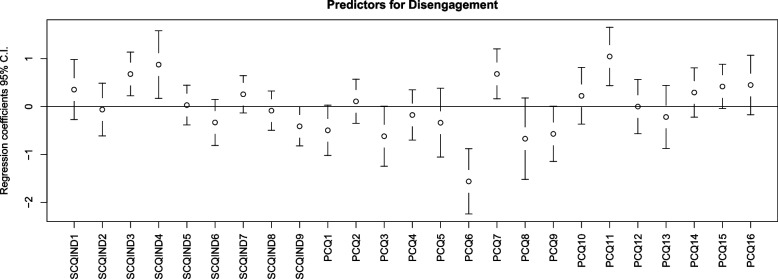
Results: The nursing staff perceived their conscience mainly as an authority, asset, and warning signal. Impact of workload on family life was the most common source of stress for the nursing staff. Dealing with incompatible demands, the impact of workload on family life, witnessing insulated patients, inability to meet one's standards in providing care, and perception of conscience as a burden were strongly associated with the burnout.
Conclusions: Perceiving conscience as a warning signal or authority may serve as a buffer against burnout among nursing staff. This study highlights the need for further exploration of perceptions of conscience in different cultural and social backgrounds.
Keywords: Burnout; Nursing staff; Older people care; Perceptions of conscience; Stress of conscience.
© 2023. BioMed Central Ltd., part of Springer Nature.
Conflict of interest statement
The authors declare no competing interests.
Figures
References
-
- Hoose J. Conscience in world religions: Gracewing Publishing; 1999.
-
- Moyar D. Hegel's conscience. 1. Oxford: Oxford University Press; 2010.
-
- Koops W, Brugman D, Ferguson TJ. The development of conscience: Concepts and theoretical and empirical approaches. Psychology Press Ltd; 2009.
-
- Leirvik O. Conscience in Arabic and the Semantic history of "Ḍamīr". J Arab Islamic Stud. 2009;9:18–36. doi: 10.5617/jais.4595. - DOI
LinkOut - more resources
Full Text Sources
