


Photodynamic therapy and associated targeting methods for treatment of brain cancer
- PMID: 37841921
- PMCID: PMC10568033
- DOI: 10.3389/fphar.2023.1250699
Photodynamic therapy and associated targeting methods for treatment of brain cancer
Abstract
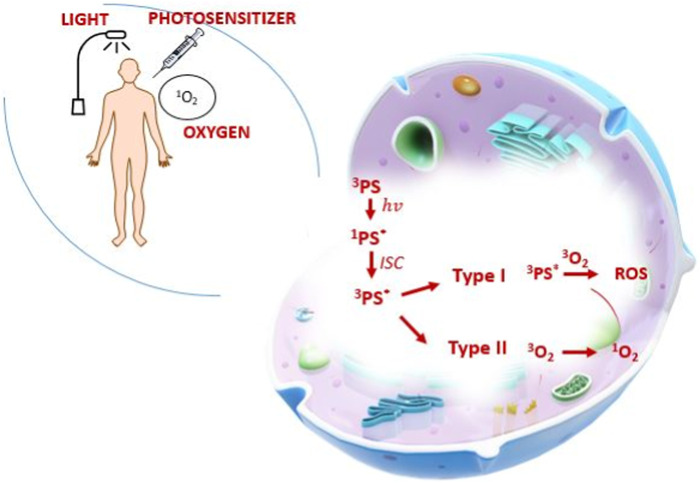
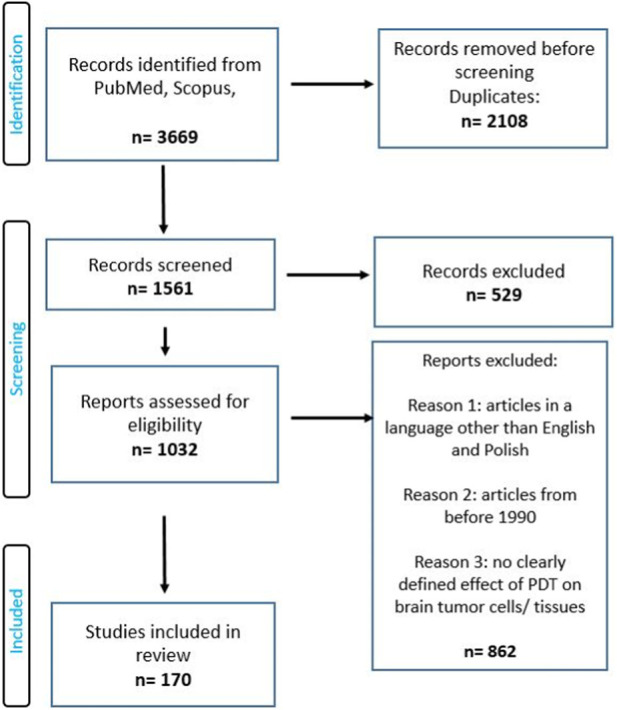
Brain tumors, including glioblastoma multiforme, are currently a cause of suffering and death of tens of thousands of people worldwide. Despite advances in clinical treatment, the average patient survival time from the moment of diagnosis of glioblastoma multiforme and application of standard treatment methods such as surgical resection, radio- and chemotherapy, is less than 4 years. The continuing development of new therapeutic methods for targeting and treating brain tumors may extend life and provide greater comfort to patients. One such developing therapeutic method is photodynamic therapy. Photodynamic therapy is a progressive method of therapy used in dermatology, dentistry, ophthalmology, and has found use as an antimicrobial agent. It has also found wide application in photodiagnosis. Photodynamic therapy requires the presence of three necessary components: a clinically approved photosensitizer, oxygen and light. This paper is a review of selected literature from Pubmed and Scopus scientific databases in the field of photodynamic therapy in brain tumors with an emphasis on glioblastoma treatment.
Keywords: PDT; brain cancer; diagnostics; glioblastoma; treatment.
Copyright © 2023 Bartusik-Aebisher, Serafin, Dynarowicz and Aebisher.
Conflict of interest statement
The authors declare that the research was conducted in the absence of any commercial or financial relationships that could be construed as a potential conflict of interest.
Figures
References
-
- Awad A. J., Sloan A. (2014). The use of 5-ALA in glioblastoma resection: Two cases with long-term progression-free survival. Cureus 6, e202. 10.7759/cureus.202 - DOI
Publication types
LinkOut - more resources
Full Text Sources
