


Disease from opposing forces in regulatory control
- PMID: 37868077
- PMCID: PMC10590154
- DOI: 10.1093/emph/eoad033
Disease from opposing forces in regulatory control
Abstract
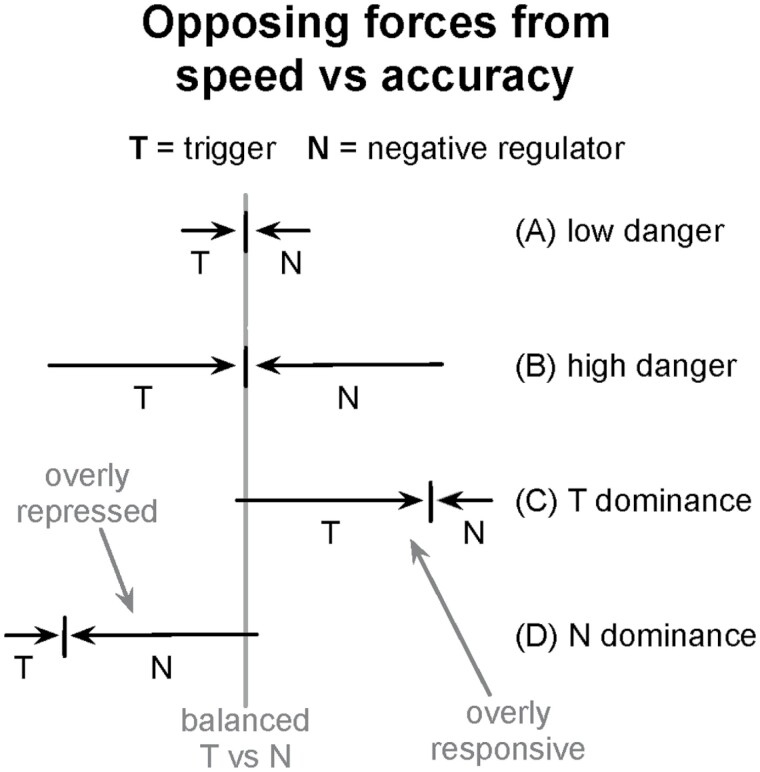
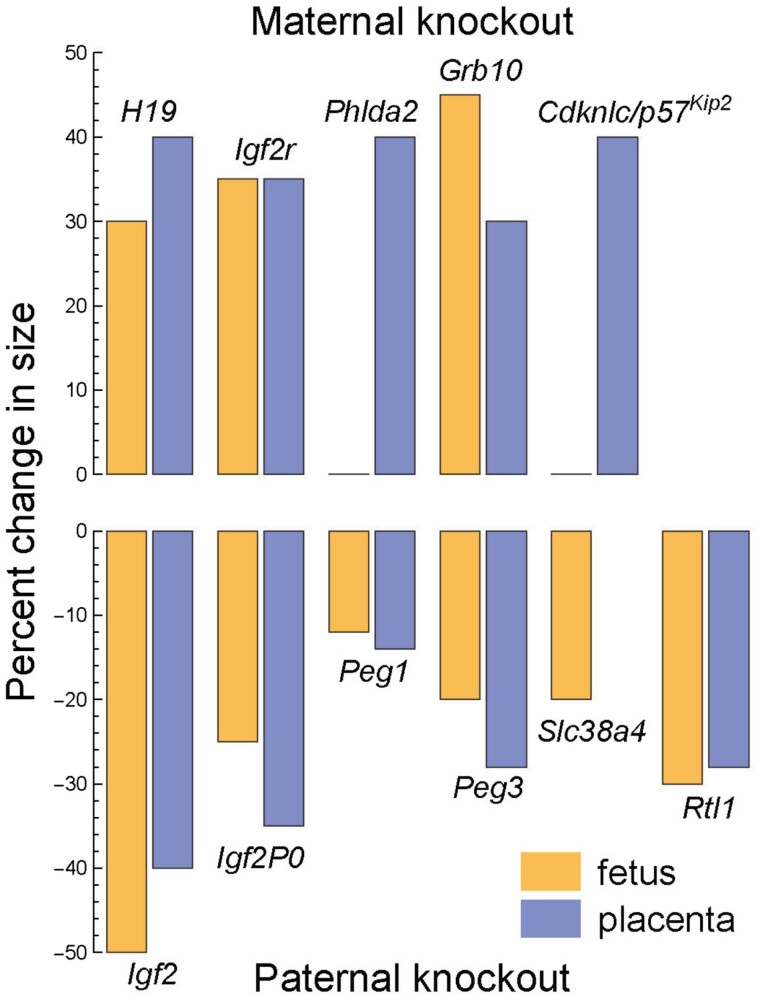
Danger requires a strong rapid response. Speedy triggers are prone to false signals. False alarms can be costly, requiring strong negative regulators to oppose the initial triggers. Strongly opposed forces can easily be perturbed, leading to imbalance and disease. For example, immunity and fear response balance strong rapid triggers against widespread slow negative regulators. Diseases of immunity and behavior arise from imbalance. A different opposition of forces occurs in mammalian growth, which balances strong paternally expressed accelerators against maternally expressed suppressors. Diseases of overgrowth or undergrowth arise from imbalance. Other examples of opposing forces and disease include control of dopamine expression and male versus female favored traits.
Keywords: IGF2; genomic conflict; genomic imprinting; immune system disorder; psychiatric disorder; sexual antagonism.
© The Author(s) 2023. Published by Oxford University Press on behalf of the Foundation for Evolution, Medicine, and Public Health.
Figures
References
-
- Moore T, Haig D.. Genomic imprinting in mammalian development: a parental tug-of-war. TIG 1991;7:45–9. - PubMed
-
- Fowden AL, Coan PM, Angiolini Eet al. . Imprinted genes and the epigenetic regulation of placental phenotype. Prog Biophys Mol Biol 2011;106:281–8. - PubMed
-
- Frank SA. The evolutionary dynamics of cytoplasmic male sterility. Am Nat 1989;133:345–76.
