


This is a preprint.
Resident Synovial Macrophages in Synovial Fluid: Implications for Immunoregulation in Infectious and Inflammatory Arthritis
- PMID: 37873090
- PMCID: PMC10592878
- DOI: 10.1101/2023.09.29.560183
Resident Synovial Macrophages in Synovial Fluid: Implications for Immunoregulation in Infectious and Inflammatory Arthritis
Update in
-
Resident synovial macrophages in synovial fluid: Implications for immunoregulation.Clin Immunol. 2025 Feb;271:110422. doi: 10.1016/j.clim.2024.110422. Epub 2024 Dec 17. Clin Immunol. 2025. PMID: 39701169 Free PMC article.
Abstract
Objectives: Resident synovial macrophages (RSM) provide immune sequestration of the joint space and are likely involved in initiation and perpetuation of the joint-specific immune response. We sought to identify RSM in synovial fluid (SF) and demonstrate migratory ability, in additional to functional changes that may perpetuate a chronic inflammatory response within joint spaces.
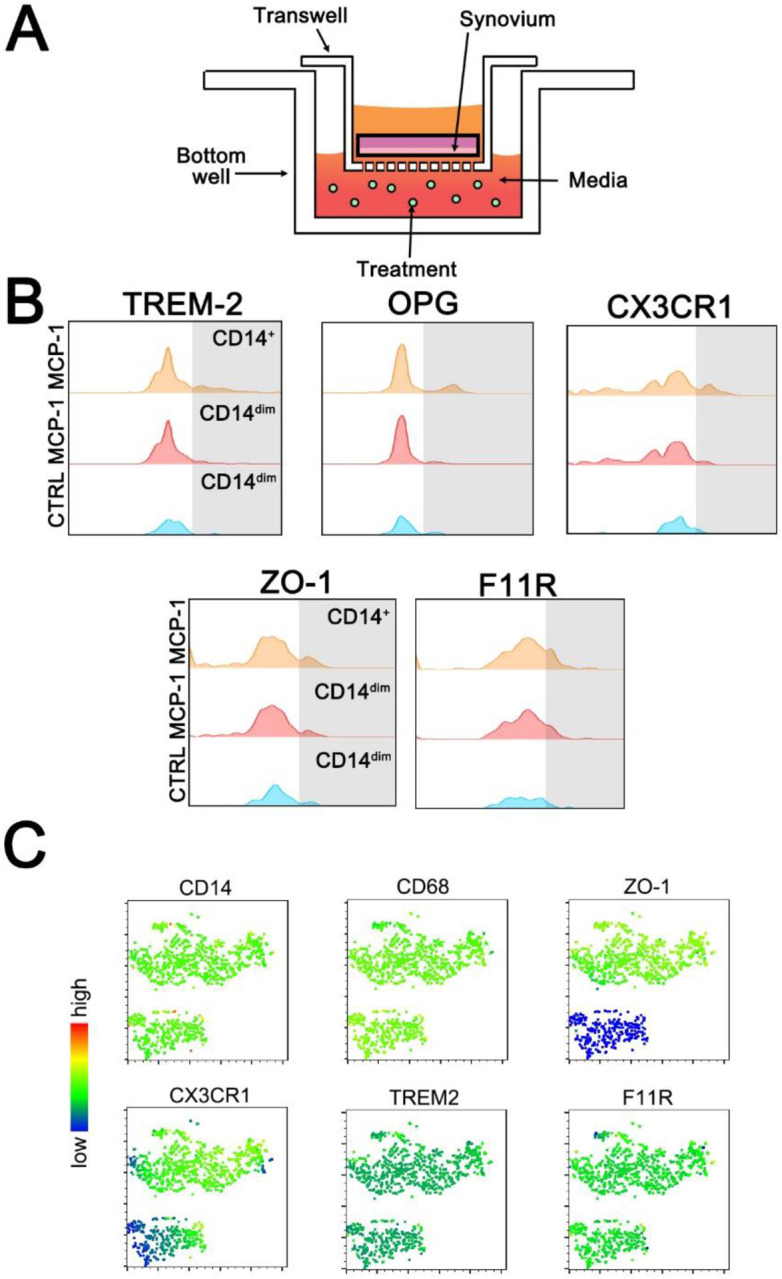
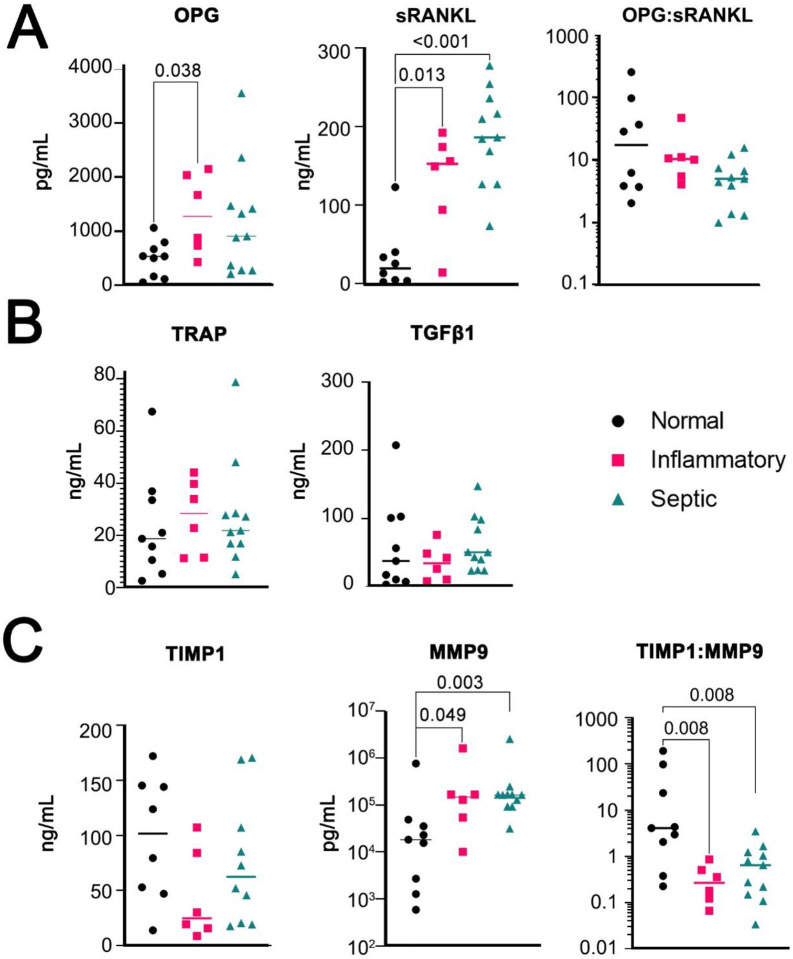
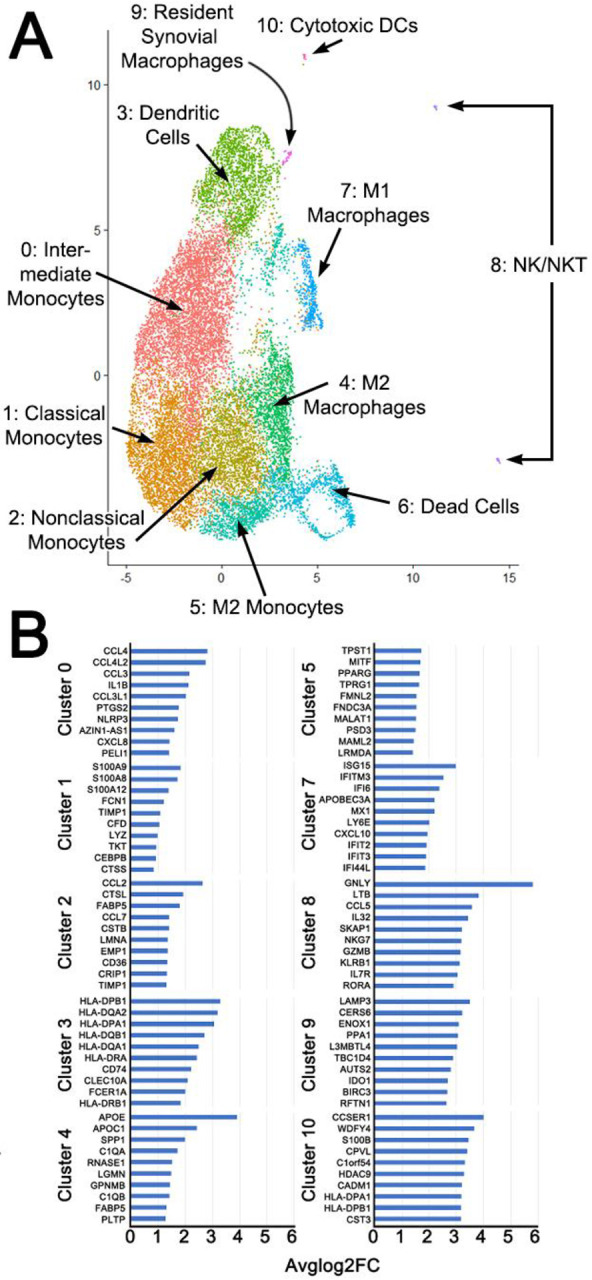
Methods: We recruited human patients presenting with undifferentiated arthritis in multiple clinical settings. We used flow cytometry to identify mononuclear cells in peripheral blood and SF. We used a novel transwell migration assay with human ex-vivo synovium obtained intra-operatively to validate flow cytometry findings. We used single cell RNA-sequencing (scRNA-seq) to further identify macrophage/monocyte subsets. ELISA was used to evaluate the bone-resorption potential of SF.
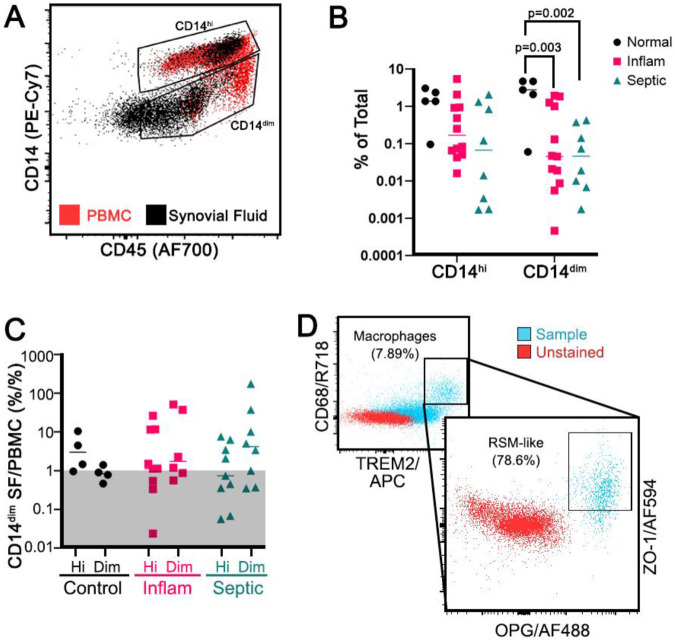
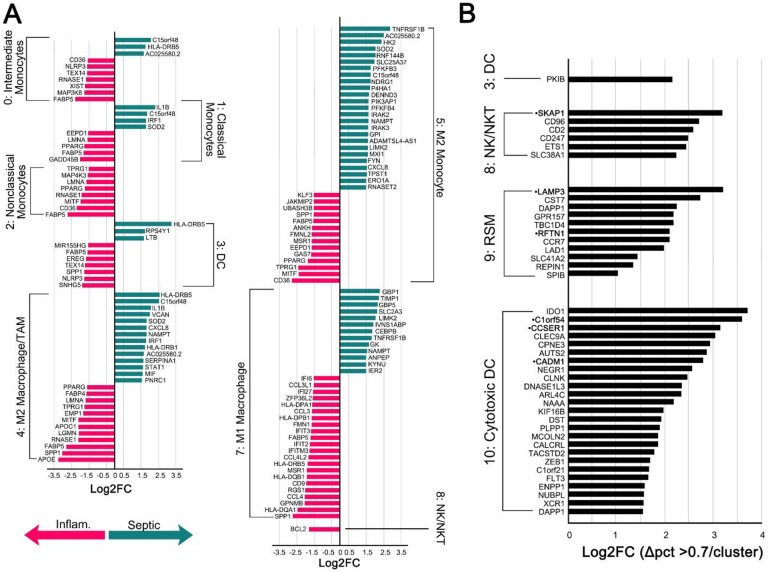
Results: We were able to identify a rare population of CD14dim, OPG+, ZO-1+ cells consistent with RSM in SF via flow cytometry. These cells were relatively enriched in the SF during infectious processes, but absolutely decreased compared to healthy controls. Similar putative RSM were identified using ex vivo migration assays when MCP-1 and LPS were used as migratory stimulus. scRNA-seq revealed a population consistent with RSM transcriptionally related to CD56+ cytotoxic dendritic cells and IDO+ M2 macrophages.
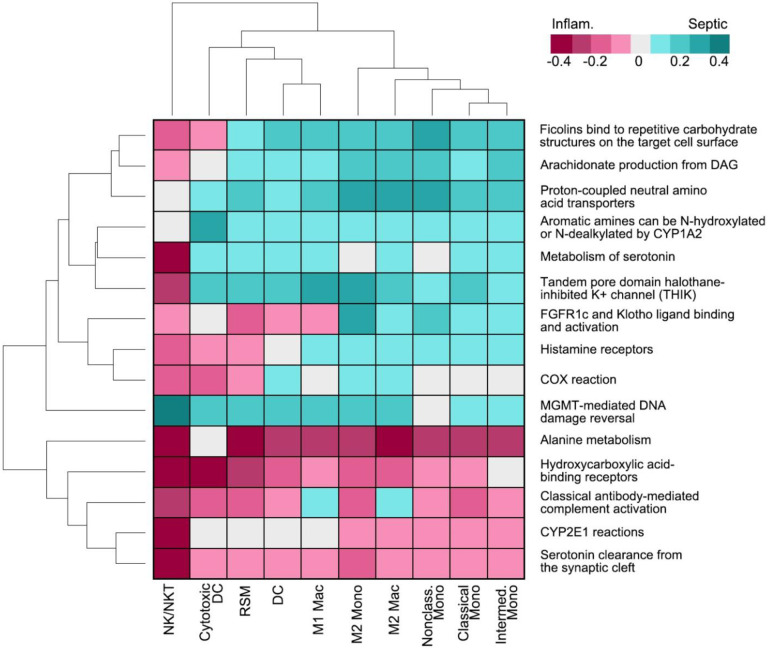
Conclusion: We identified a rare cell population consistent with RSM, indicating these cells are likely migratory and able to initiate or coordinate both acute (septic) or chronic (autoimmune or inflammatory) arthritis. RSM analysis via scRNA-seq indicated these cells are M2 skewed, capable of antigen presentation, and have consistent functions in both septic and inflammatory arthritis.
Keywords: Type A synoviocyte; inflammatory arthritis; joint space immunoregulation; resident synovial macrophage; septic arthritis.
Figures
References
-
- Origin and function of synovial macrophage subsets during inflammatory joint disease. Culemann S, Grüneboom A, Krönke G. 2019, Adv Immunol, Vol. 143, pp. 75–98. - PubMed
Publication types
Grants and funding
LinkOut - more resources
Full Text Sources
Research Materials
Miscellaneous
