Review
. 2023 Nov 9;66(21):14434-14446.
doi: 10.1021/acs.jmedchem.3c01277. Epub 2023 Oct 24.

Fused Tetrahydroquinolines Are Interfering with Your Assay

Affiliations
Review

Fused Tetrahydroquinolines Are Interfering with Your Assay

Frances M Bashore et al. J Med Chem. .

Abstract

Tricyclic tetrahydroquinolines (THQs) have been repeatedly reported as hits across a diverse range of high-throughput screening (HTS) campaigns. The activities of these compounds, however, are likely due to reactive byproducts that interfere with the assay. As a lesser studied class of pan-assay interference compounds, the mechanism by which fused THQs react with protein targets remains largely unknown. During HTS follow-up, we characterized the behavior and stability of several fused tricyclic THQs. We synthesized key analogues to pinpoint the cyclopentene ring double bond as a source of reactivity of fused THQs. We found that these compounds degrade in solution under standard laboratory conditions in days. Importantly, these observations make it likely that fused THQs, which are ubiquitously found within small molecule screening libraries, are unlikely the intact parent compounds. We urge deprioritization of tricylic THQ hits in HTS follow-up and caution against the investment of resources to follow-up on these problematic compounds.


Conflict of interest statement

The authors declare no competing financial interest.

Figures
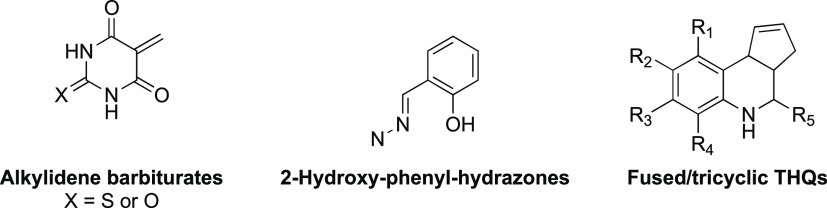
Figure 1
Figure 1
Structures of common PAINS and fused/tricyclic THQs.
Figure 2
Figure 2
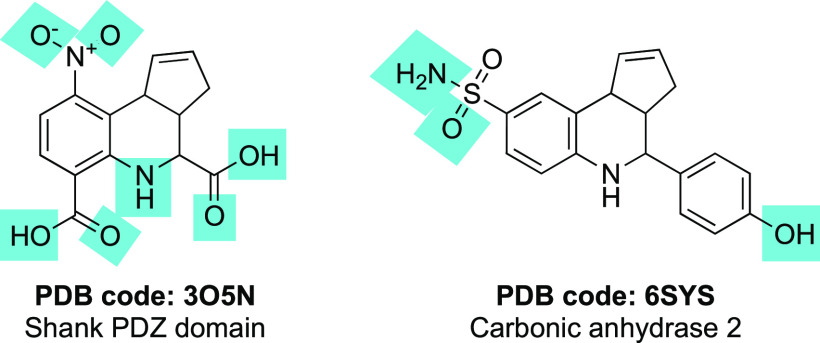
Structures of cocrystallized tricyclic THQs. Blue boxes indicate the atoms that make hydrogen bonds with the target proteins.
Figure 3
Figure 3
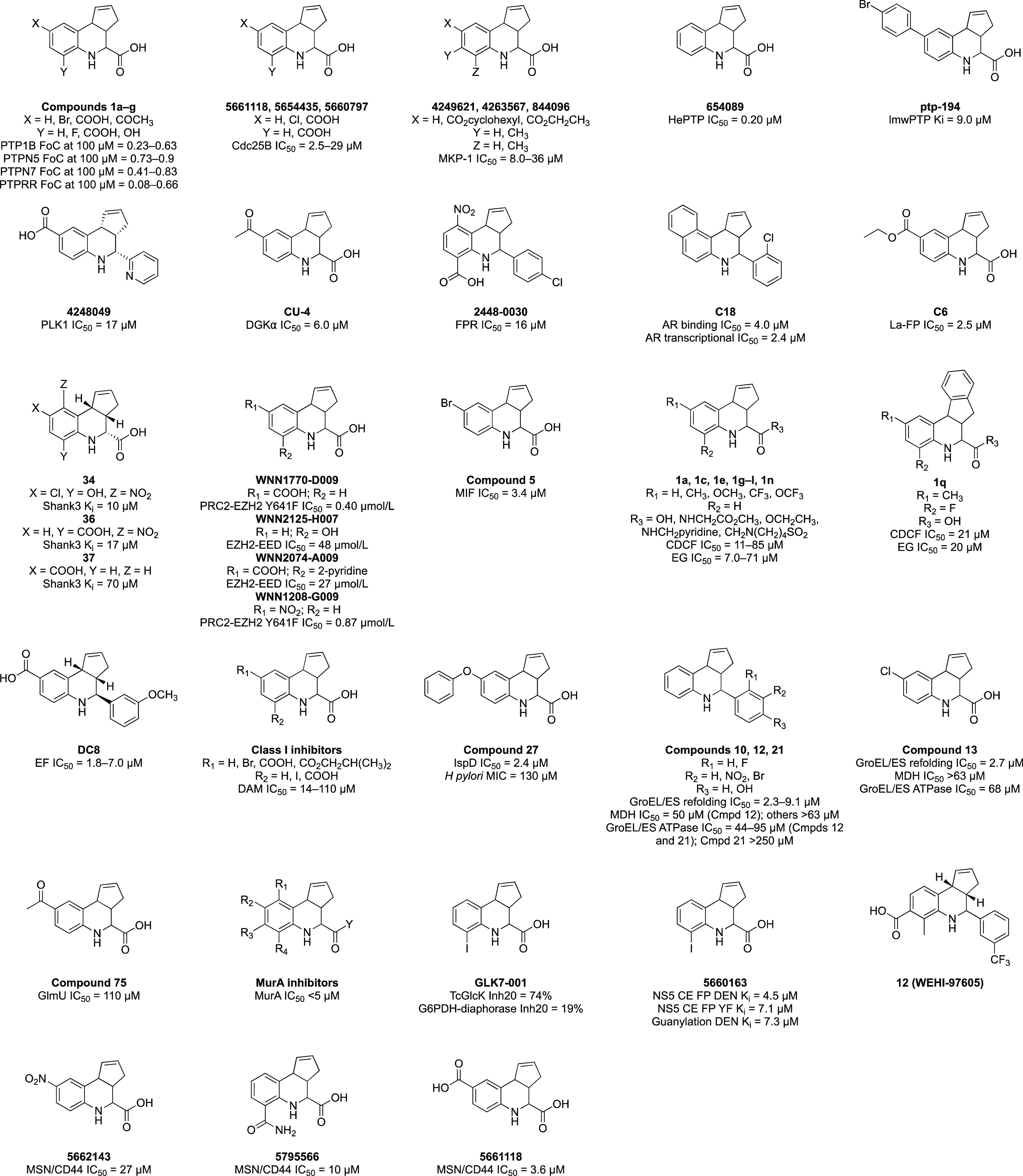
Structures of tricyclic THQs that are exemplified in the literature as screening hits.
Scheme 1
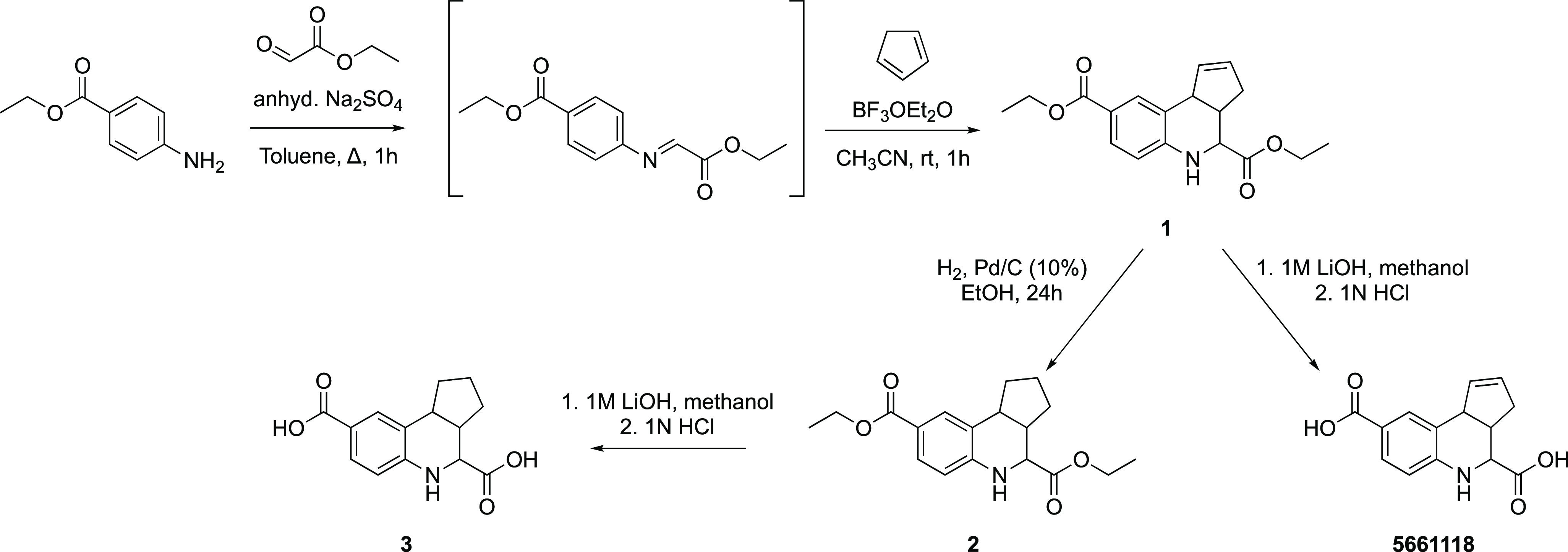
Scheme 1. Synthetic Route to Remake and Diversify Fused THQ 5661118
Figure 4
Figure 4
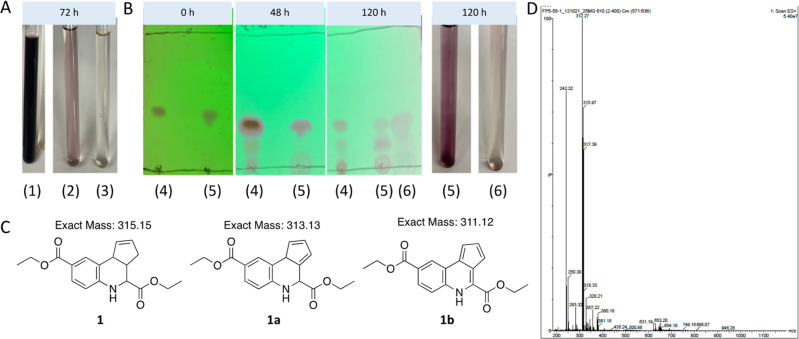
Fused THQs decompose in solution. (A) Analogue 1 dissolved in DMSO-d6 and kept in the light for 72 h. (1) 25 mg and (2) 5 mg decomposed and changed color (purple), while the sample in DMSO-d6 that was kept in the dark for 72 h remained a clear solution ((3) 5 mg). (B) Analysis of a solution of 1 dissolved in (4) CDCl3 and (5) DMSO-d6 for 48 and 120 h at ambient temperature in the light via thin layer chromatography analysis (eluent: 20% ethyl acetate/80% hexane). Sample (6) was stored in an NMR tube wrapped in foil and exposed to light only from the top for 120 h. (C) The structures of 1 and potential structures of the decomposition product (1a and 1b). (D) LCMS data collected from a discolored solution of 1 (from A), indicating the mass observed for the decomposition material (312 m/z).
Figure 5
Figure 5
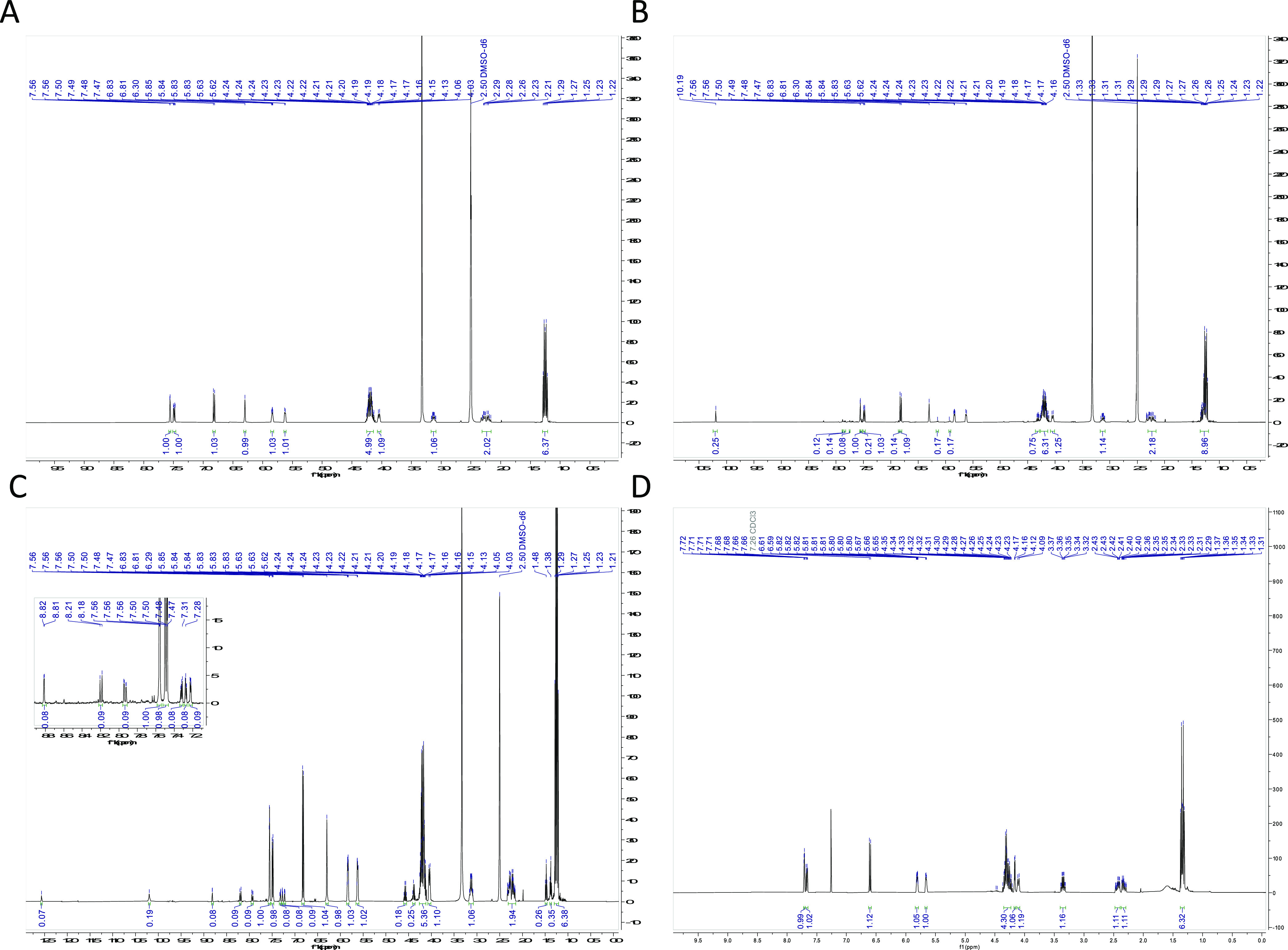
1H NMR spectra of 1 in various states of decomposition. (A) 1H NMR spectrum of 5 mg of 1 in DMSO-d6 after 72 h in the dark. (B) 1H NMR spectrum of 5 mg of 1 in DMSO-d6 after 72 h in the light (benchtop indoors), showing decomposition. (C) 1H NMR spectrum of 25 mg of 1 in DMSO-d6 after 72 h in the light (benchtop indoors), showing decomposition. (D) 1H NMR spectrum of 5 mg of 1 in CDCl3 after 120 h in the light (benchtop indoors).
Figure 6
Figure 6
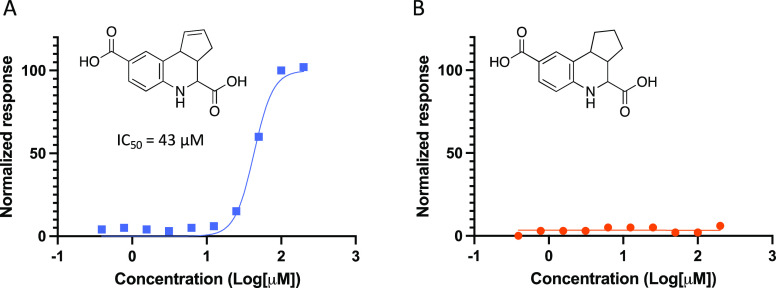
TR-FRET assay results for (A) 5661118 and (B) saturated analogue 3.
Figure 7
Figure 7
Structures of specific tricyclic THQs that are hits in the multiple discussed screens.

References

    1. Baell J.; Walters M. A. Chemistry: Chemical con artists foil drug discovery. Nature 2014, 513 (7519), 481–483. 10.1038/513481a. - DOI - PubMed
    1. Capuzzi S. J.; Muratov E. N.; Tropsha A. Phantom PAINS: Problems with the utility of alerts for Pan-Assay INterference CompoundS. J. Chem. Inf Model 2017, 57 (3), 417–427. 10.1021/acs.jcim.6b00465. - DOI - PMC - PubMed
    1. Siramshetty V. B.; Preissner R.; Gohlke B. O. Exploring activity profiles of PAINS and their structural context in target-ligand complexes. J. Chem. Inf Model 2018, 58 (9), 1847–1857. 10.1021/acs.jcim.8b00385. - DOI - PubMed
    1. Baell J. B. Observations on screening-based research and some concerning trends in the literature. Future Med. Chem. 2010, 2 (10), 1529–1546. 10.4155/fmc.10.237. - DOI - PubMed
    1. Baell J. B.; Holloway G. A. New substructure filters for removal of pan assay interference compounds (PAINS) from screening libraries and for their exclusion in bioassays. J. Med. Chem. 2010, 53 (7), 2719–2740. 10.1021/jm901137j. - DOI - PubMed

Publication types

MeSH terms