


A window into the human immune system: comprehensive characterization of the complexity of antibody complementary-determining regions in functional antibodies
- PMID: 37876265
- PMCID: PMC10601506
- DOI: 10.1080/19420862.2023.2268255
A window into the human immune system: comprehensive characterization of the complexity of antibody complementary-determining regions in functional antibodies
Abstract
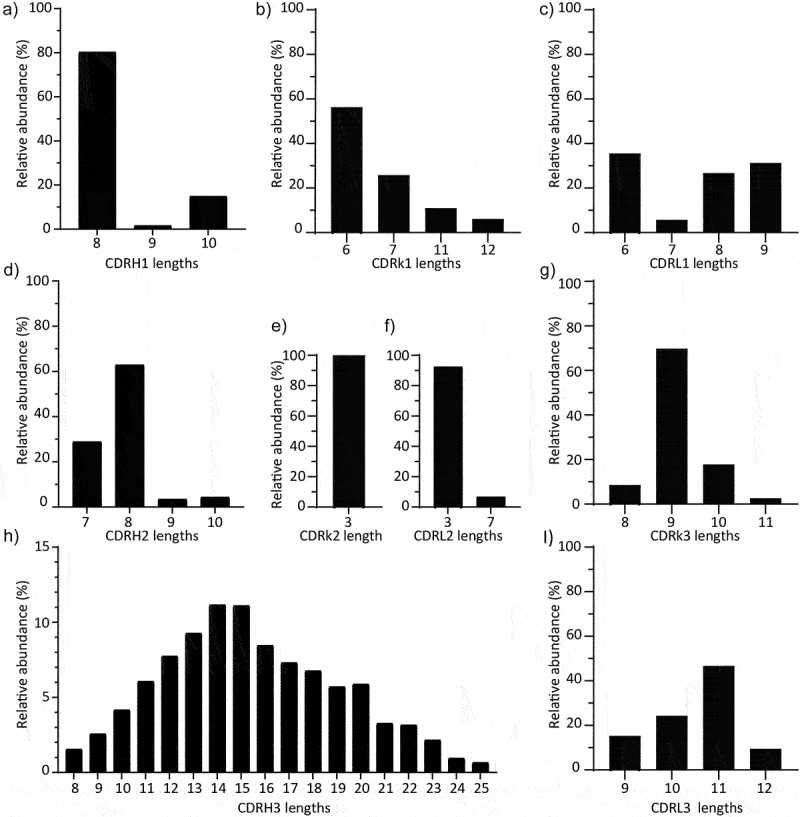
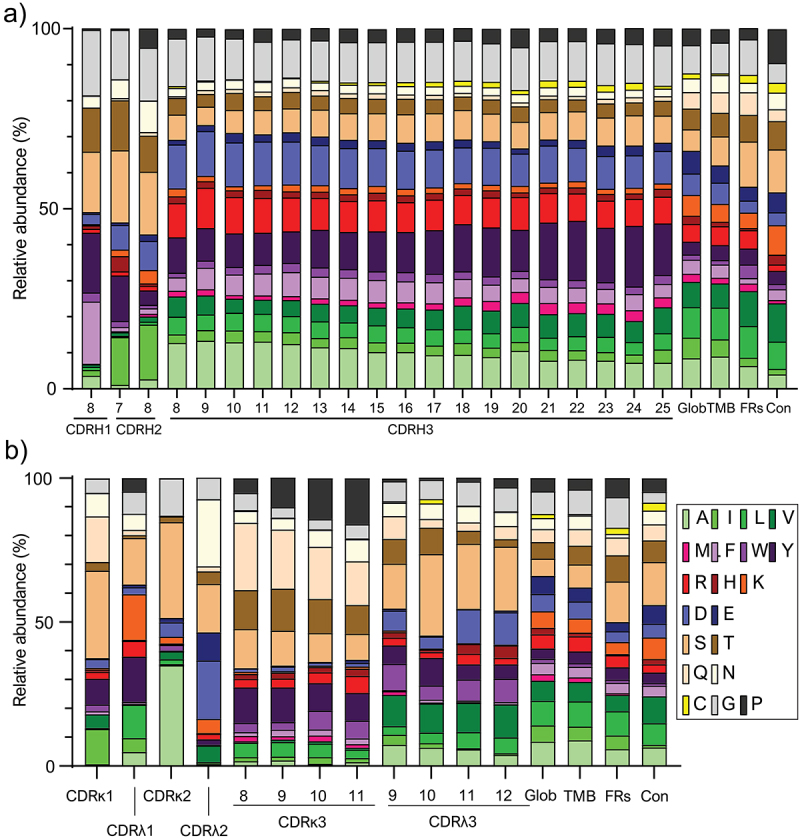
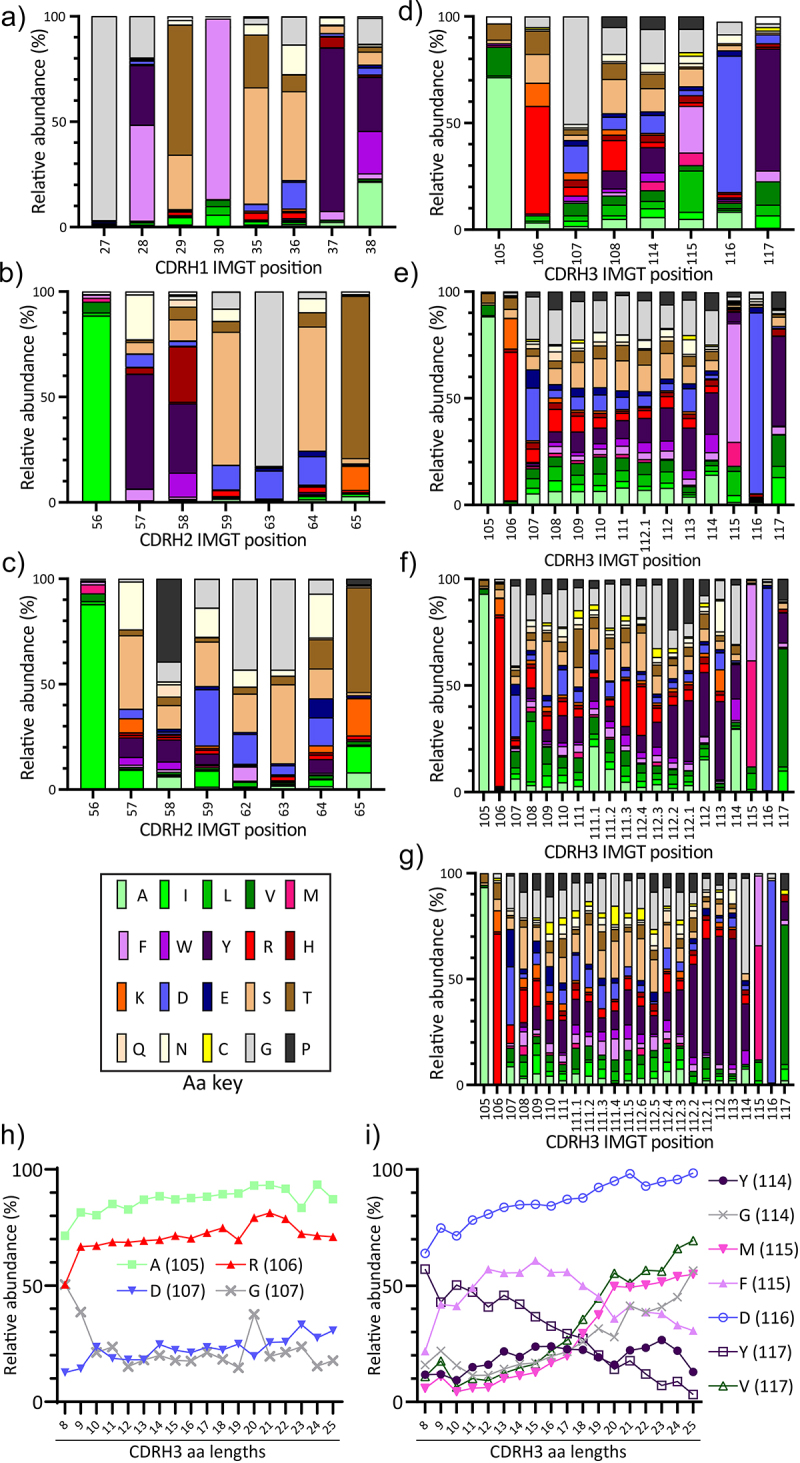
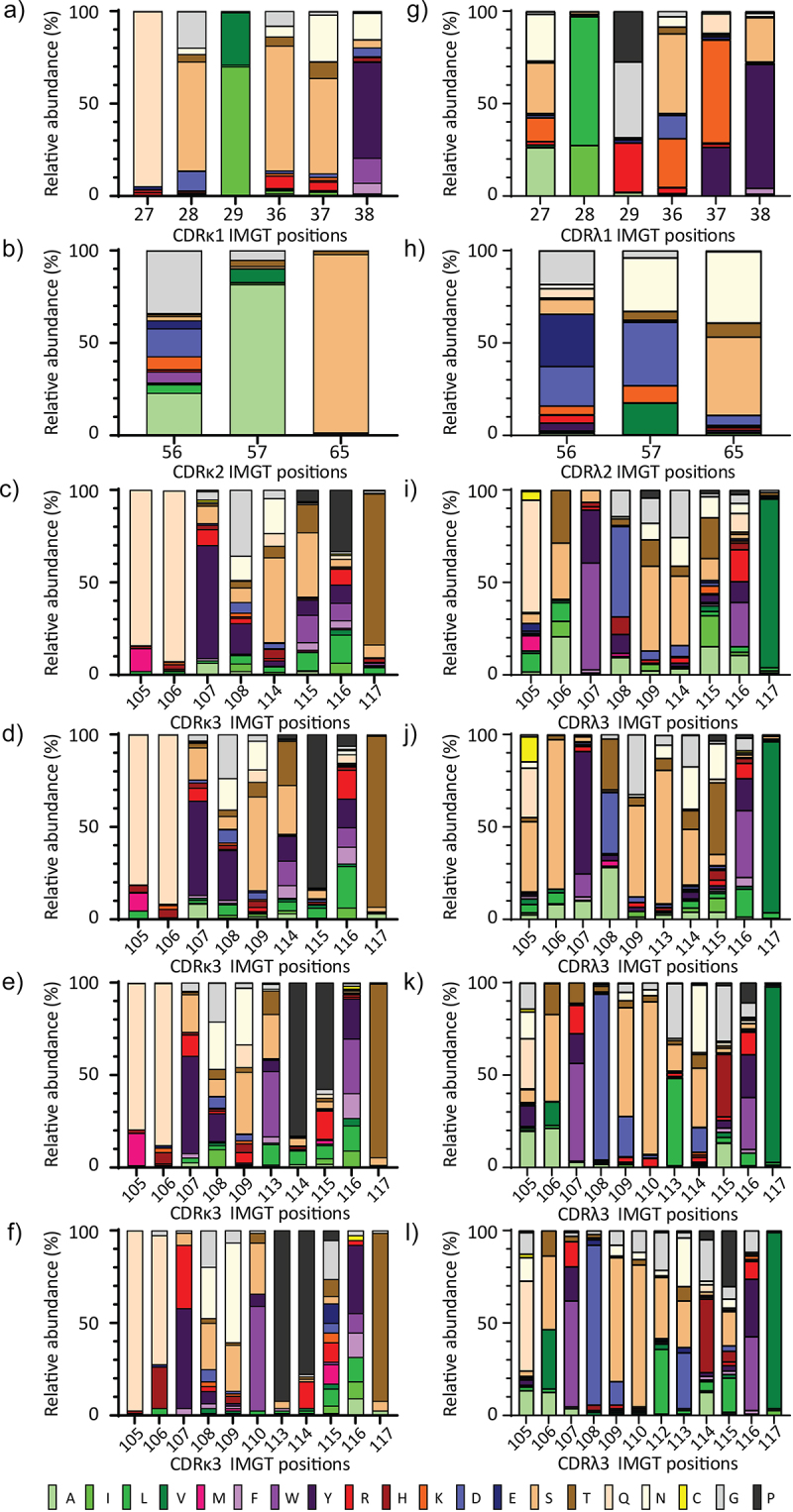
The human immune system uses antibodies to neutralize foreign antigens. They are composed of heavy and light chains, both with constant and variable regions. The variable region has six hypervariable loops, also known as complementary-determining regions (CDRs) that determine antibody diversity and antigen specificity. Knowledge of their significance, and certain residues present in these areas, is vital for antibody therapeutics development. This study includes an analysis of more than 11,000 human antibody sequences from the International Immunogenetics information system (IMGT). The analysis included parameters such as length distribution, overall amino acid diversity, amino acid frequency per CDR and residue position within antibody chains. Overall, our findings confirm existing knowledge, such as CDRH3's high length diversity and amino acid variability, increased aromatic residue usage, particularly tyrosine, charged and polar residues like aspartic acid, serine, and the flexible residue glycine. Specific residue positions within each CDR influence these occurrences, implying a unique amino acid type distribution pattern. We compared amino acid type usage in CDRs and non-CDR regions, both in globular and transmembrane proteins, which revealed distinguishing features, such as increased frequency of tyrosine, serine, aspartic acid, and arginine. These findings should prove useful for future optimization, improvement of affinity, synthetic antibody library design, or the creation of antibodies de-novo in silico.
Keywords: Amino acid diversity; Complementary-Determining Regions (CDRs); IMGT (International Immunogenetics Information System); antibodies/immunoglobulins; antibody sequencing; antibody therapeutics development; antibody-antigen complexes; de-novo in silico antibody design; immunology; synthetic antibody libraries.
Conflict of interest statement
No potential conflict of interest was reported by the author(s).
Figures
References
-
- Kienzler A-K, Eibel H.. Human B cell development and tolerance. In: Ratcliffe MJH, editor. Encyclopedia of immunobiology. United Kingdom: Elsevier; 2016. p. 105–12.
Publication types
MeSH terms
Substances
LinkOut - more resources
Full Text Sources
Other Literature Sources
