


The muslim patient and medical treatments based on porcine ingredients
- PMID: 37891587
- PMCID: PMC10612269
- DOI: 10.1186/s12910-023-00975-0
The muslim patient and medical treatments based on porcine ingredients
Abstract
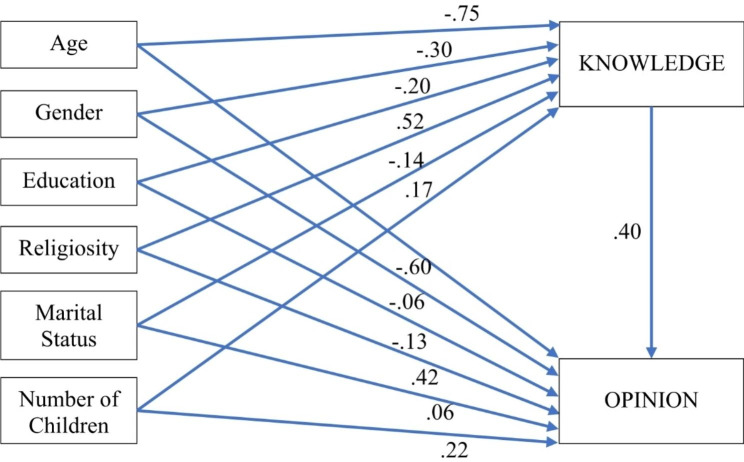
Porcine-derived products serve as an effective solution for a wide range of human ailments; however, there may be objections to their use due to Islamic religious prohibitions on consuming products derived from pigs. In order to enhance the cultural competence of medical practitioners who treat Muslim individuals, which constitute about one fifth of the world population, this study aimed at evaluating the knowledge and positions of Muslim patients on this subject. A questionnaire presenting 15 uses of porcine-derived materials was filled out by 809 Muslims. The level of knowledge about the permissibility of these uses and participants' position on whether it should be approved was assessed. Findings show that Muslims are not familiar with Islamic religious jurisprudence that permits the use of porcine products to save lives after it has undergone an essential transformation known as Istihala. The respondents expressed a negative attitude towards the medical use of porcine-derived substances based on imprecise knowledge about the permissibility of use of porcine-derived materials, devices and treatments. We offer recommendations for improving the informed consent obtained from Muslim patients prior to conducting porcine-based treatments.
Keywords: Cultural competence; Muslim; Porcine-derived products; Religion; Xenotransplantation.
© 2023. The Author(s).
Conflict of interest statement
The authors declare no competing interests.
Figures

References
-
- Worldometers.info. Current world population. https://www.worldometers.info/world-population/ Accessed 3 October 2023.
-
- Gunardi S. (2021) Porcine DNA in medicine toward postpartum patients from medical and Islamic perspectives in Malaysia. Int J Halal Res. 2021; 3(1):29–41.
-
- Ahmed I, Nawaz MM, Wilson JJ. An exploration of students’ knowledge and understanding of Istihalah. J Islam Mark.2016; 7(2).
Publication types
MeSH terms
LinkOut - more resources
Full Text Sources
