


Potential Therapeutic Strategies in the Treatment of Metabolic-Associated Fatty Liver Disease
- PMID: 37893507
- PMCID: PMC10608225
- DOI: 10.3390/medicina59101789
Potential Therapeutic Strategies in the Treatment of Metabolic-Associated Fatty Liver Disease
Abstract
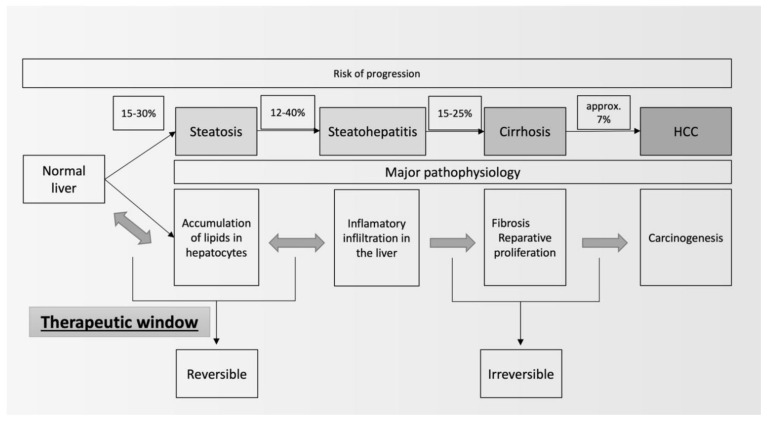
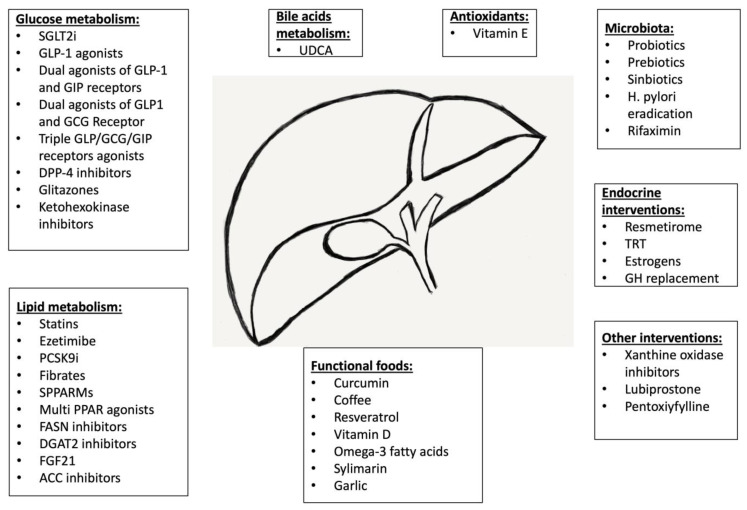
Metabolic-associated Fatty Liver Disease is one of the outstanding challenges in gastroenterology. The increasing incidence of the disease is undoubtedly connected with the ongoing obesity pandemic. The lack of specific symptoms in the early phases and the grave complications of the disease require an active approach to prompt diagnosis and treatment. Therapeutic lifestyle changes should be introduced in a great majority of patients; but, in many cases, the adherence is not satisfactory. There is a great need for an effective pharmacological therapy for Metabolic-Associated Fatty Liver Disease, especially before the onset of steatohepatitis. Currently, there are no specific recommendations on the selection of drugs to treat liver steatosis and prevent patients from progression toward more advanced stages (steatohepatitis, cirrhosis, and cancer). Therefore, in this Review, we provide data on the clinical efficacy of therapeutic interventions that might improve the course of Metabolic-Associated Fatty Liver Disease. These include the drugs used in the treatment of obesity and hyperlipidemias, as well as affecting the gut microbiota and endocrine system, and other experimental approaches, including functional foods. Finally, we provide advice on the selection of drugs for patients with concomitant Metabolic-Associated Fatty Liver Disease.
Keywords: diabetes; hyperlipidemia; incretins; metabolic-associated fatty liver disease; obesity; pharmacotherapy.
Conflict of interest statement
The authors declare no conflict of interest.
Figures
References
Publication types
MeSH terms
Grants and funding
LinkOut - more resources
Full Text Sources
Medical
