


The Role of Bacteriophages in the Gut Microbiota: Implications for Human Health
- PMID: 37896176
- PMCID: PMC10609668
- DOI: 10.3390/pharmaceutics15102416
The Role of Bacteriophages in the Gut Microbiota: Implications for Human Health
Abstract
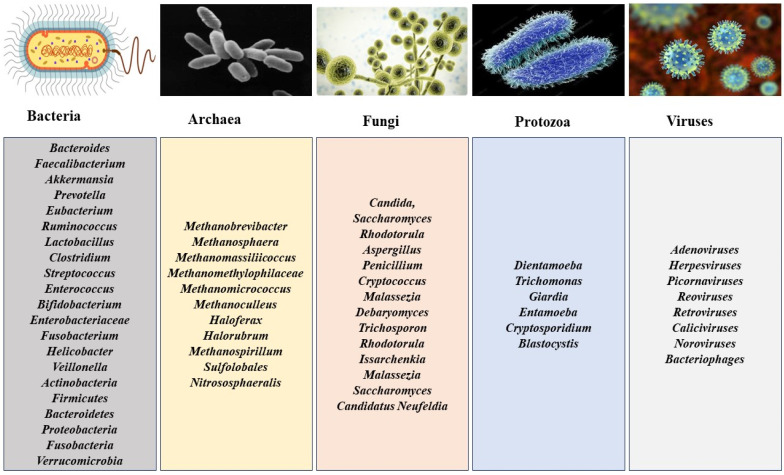
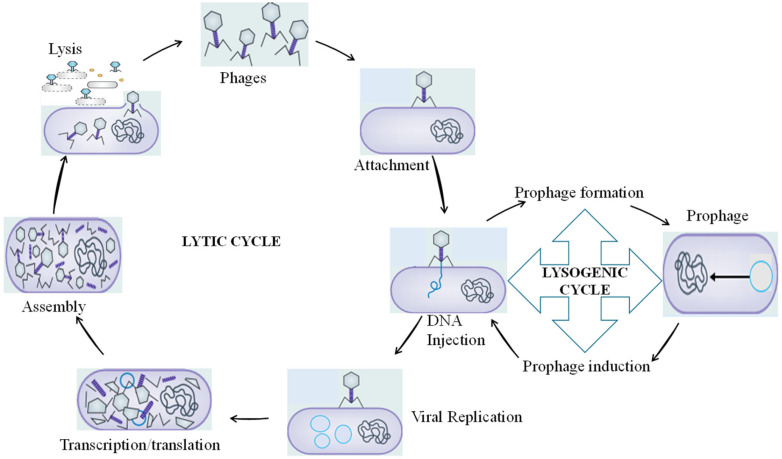
Bacteriophages (phages) are nano-sized viruses characterized by their inherent ability to live off bacteria. They utilize diverse mechanisms to absorb and gain entry into the bacterial cell wall via the release of viral genetic material, which uses the replication mechanisms of the host bacteria to produce and release daughter progeny virions that attack the surrounding host cells. They possess specific characteristics, including specificity for particular or closely related bacterial species. They have many applications, including as potential alternatives to antibiotics against multi-resistant bacterial pathogens and as control agents in bacteria-contaminated environments. They are ubiquitously abundant in nature and have diverse biota, including in the gut. Gut microbiota describes the community and interactions of microorganisms within the intestine. As with bacteria, parasitic bacteriophages constantly interact with the host bacterial cells within the gut system and have obvious implications for human health. However, it is imperative to understand these interactions as they open up possible applicable techniques to control gut-implicated bacterial diseases. Thus, this review aims to explore the interactions of bacteriophages with bacterial communities in the gut and their current and potential impacts on human health.
Keywords: bacteriophages; gut microbiota; human health; therapeutic applications.
Conflict of interest statement
The authors declare no conflict of interest.
Figures

References
Publication types
LinkOut - more resources
Full Text Sources
Research Materials
