


Flavone-based dual PARP-Tubulin inhibitor manifesting efficacy against endometrial cancer
- PMID: 37919954
- PMCID: PMC10627047
- DOI: 10.1080/14756366.2023.2276665
Flavone-based dual PARP-Tubulin inhibitor manifesting efficacy against endometrial cancer
Abstract
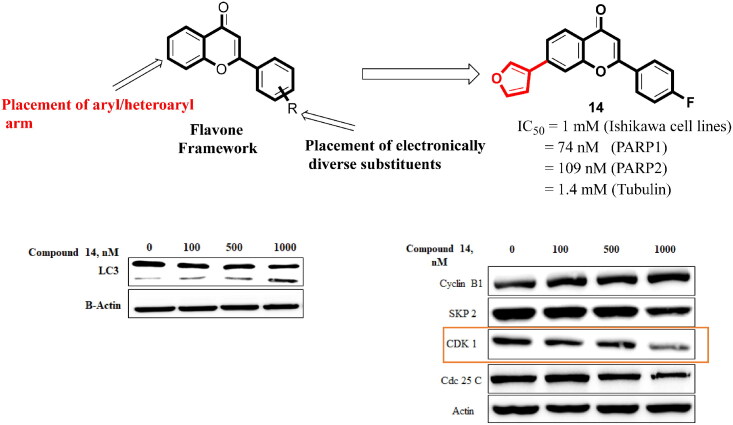
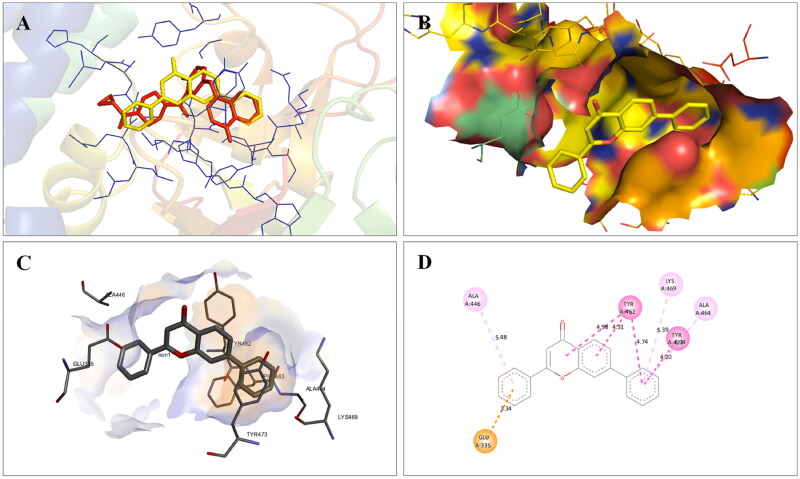
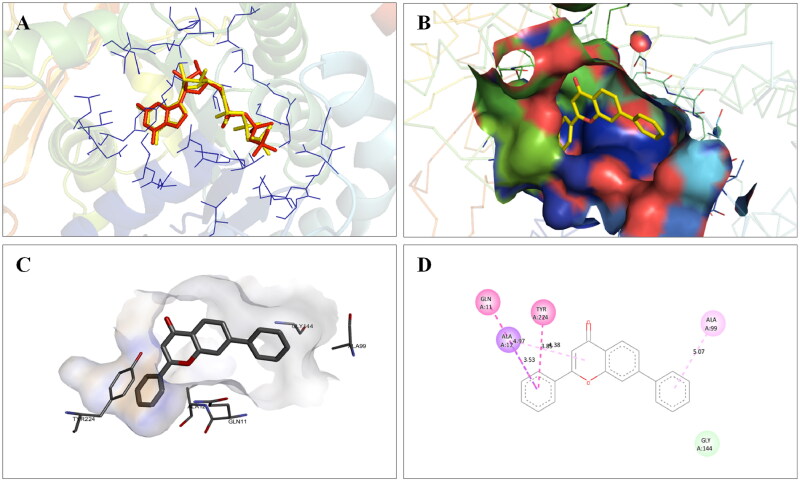
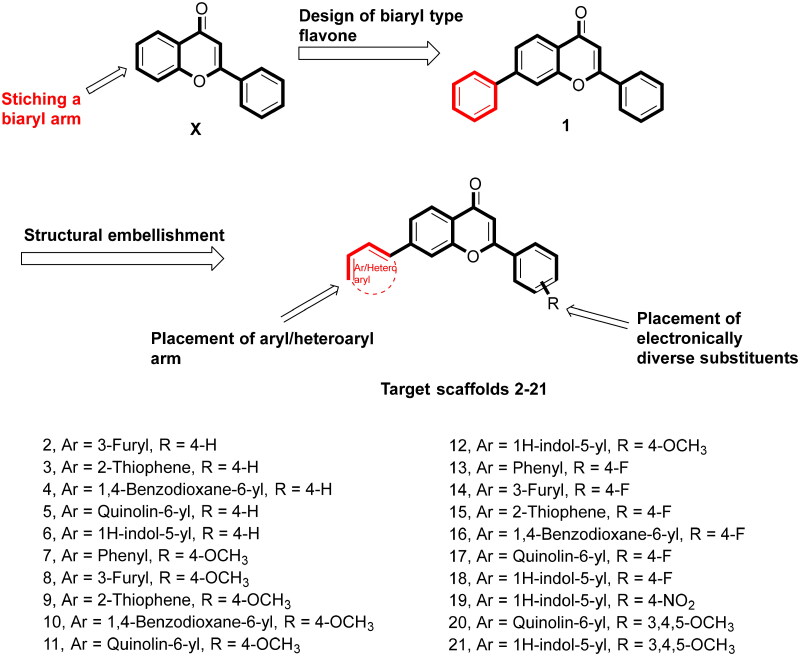
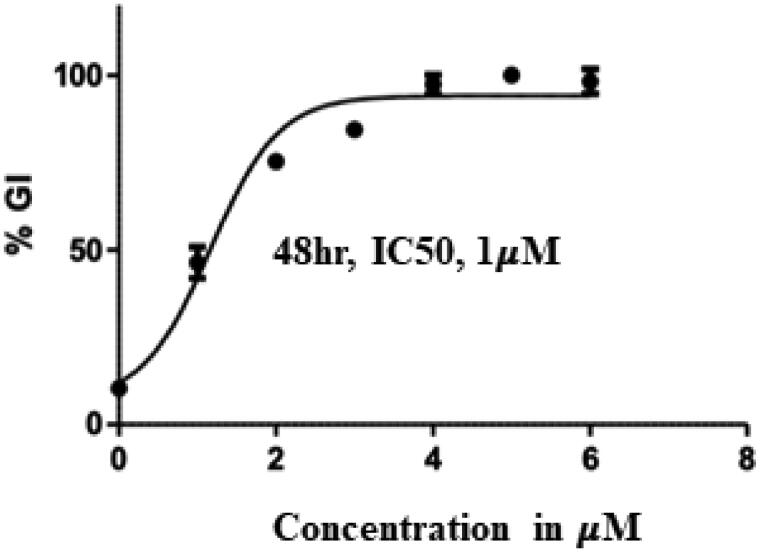
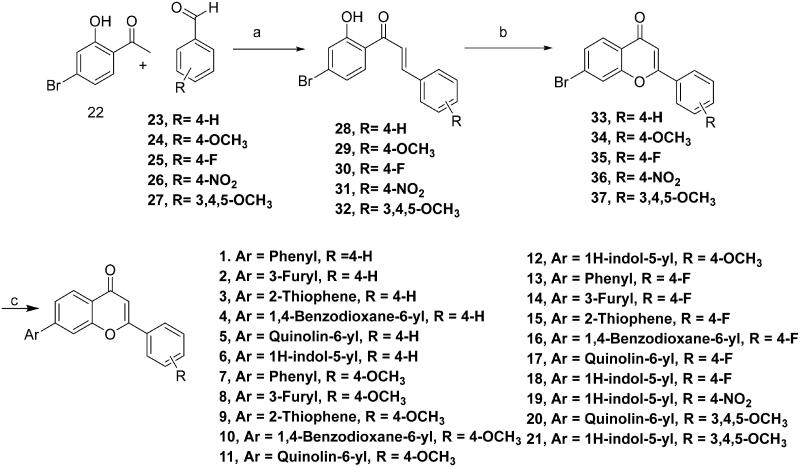
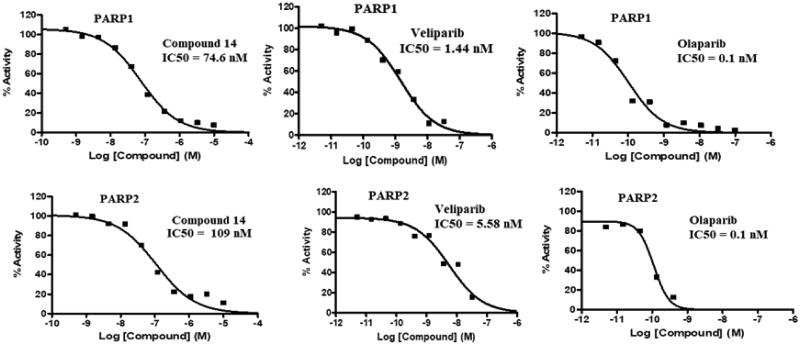
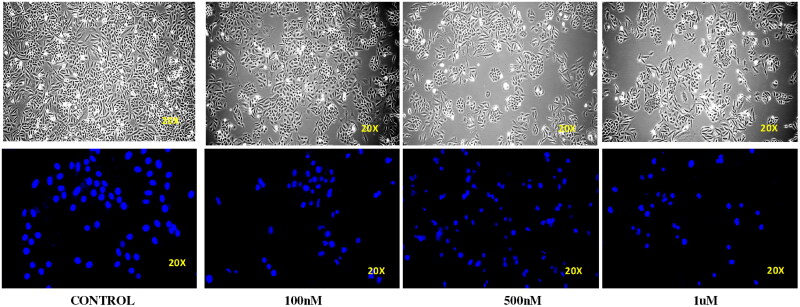
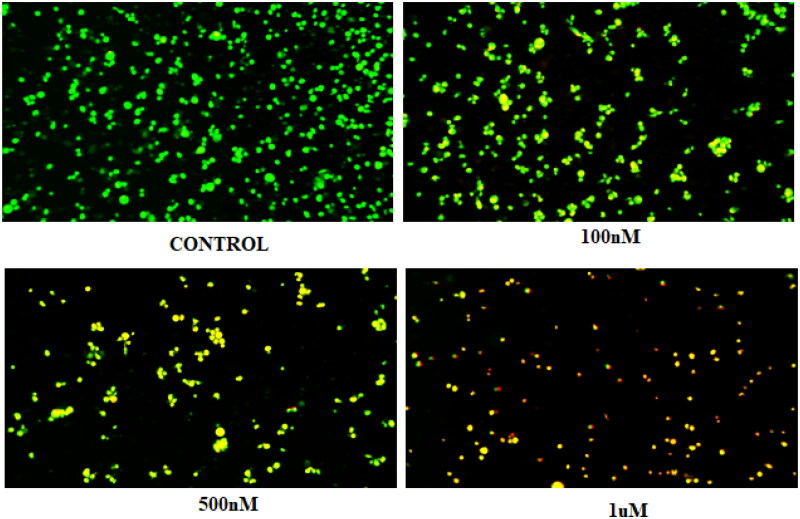
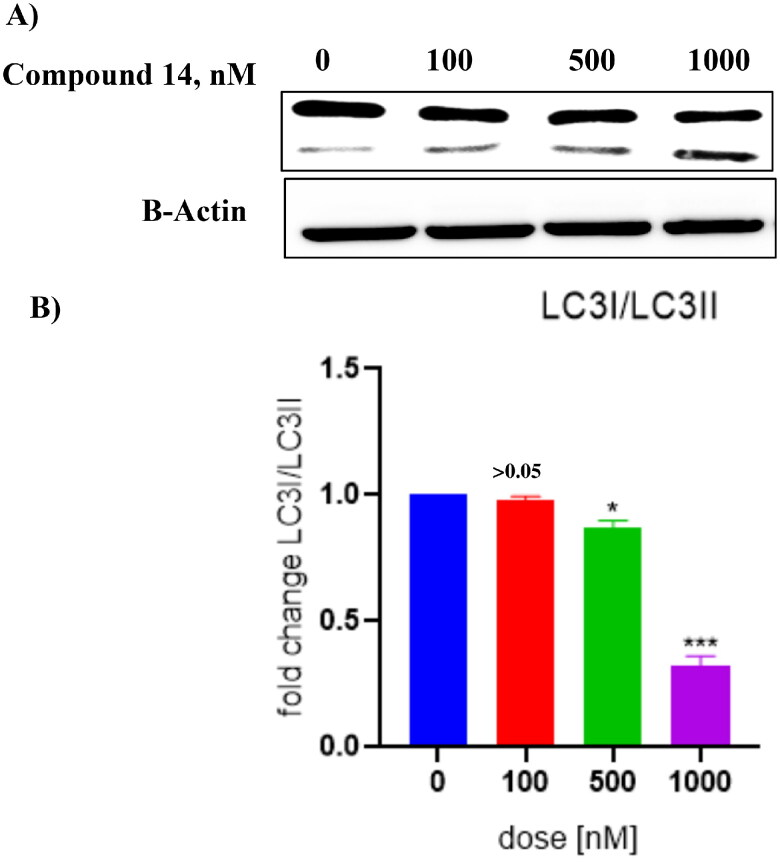
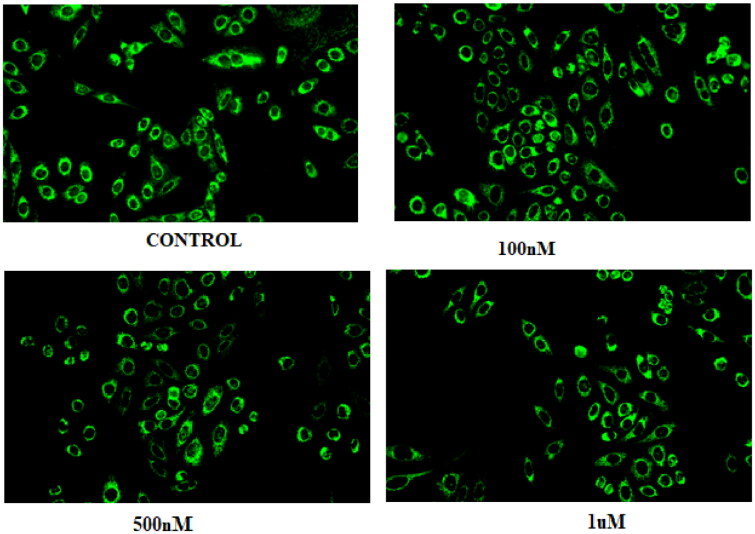
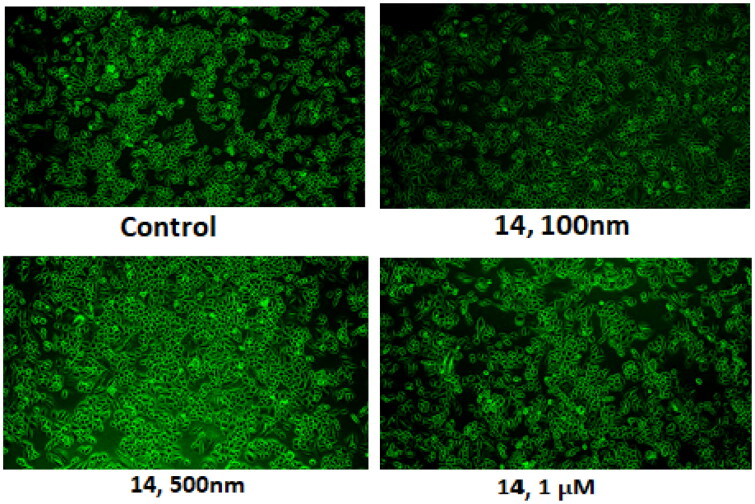
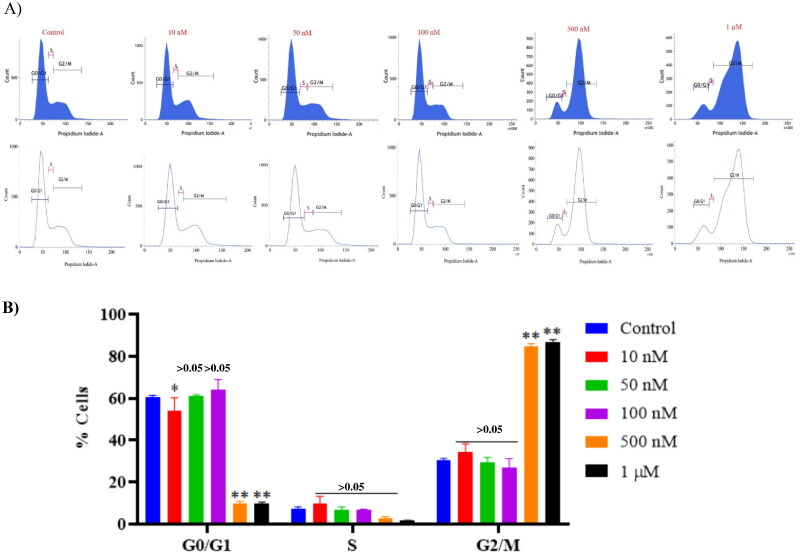
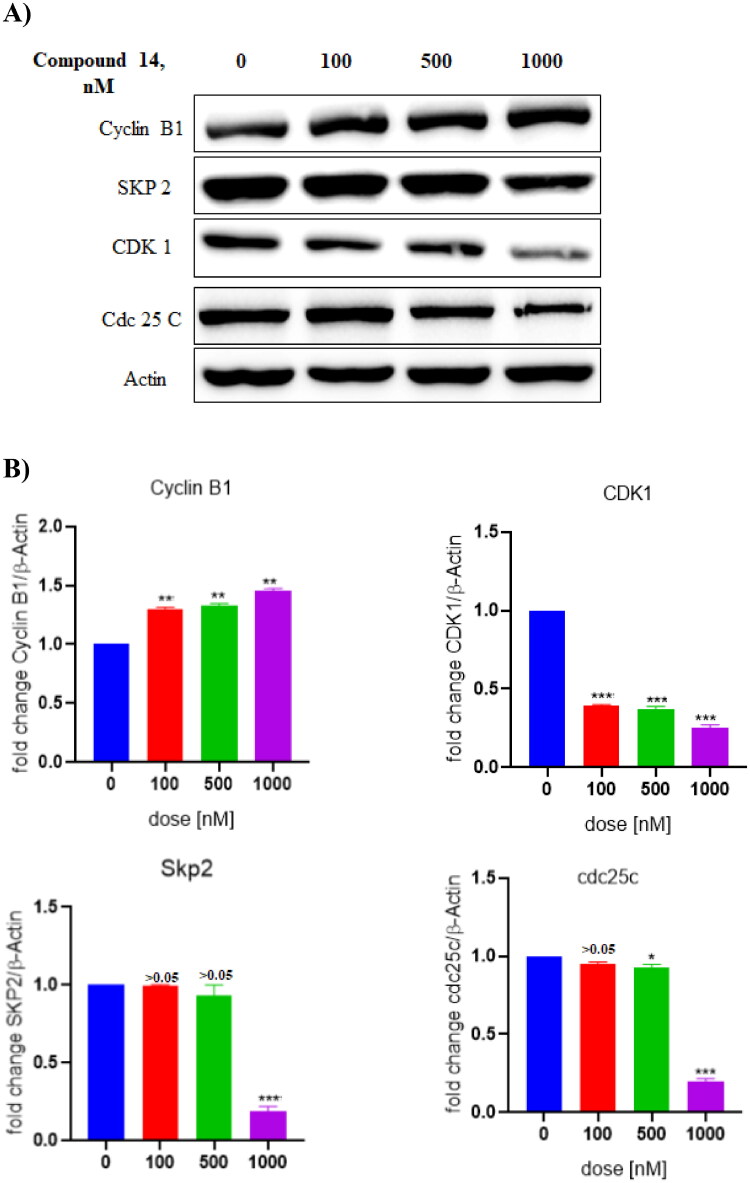
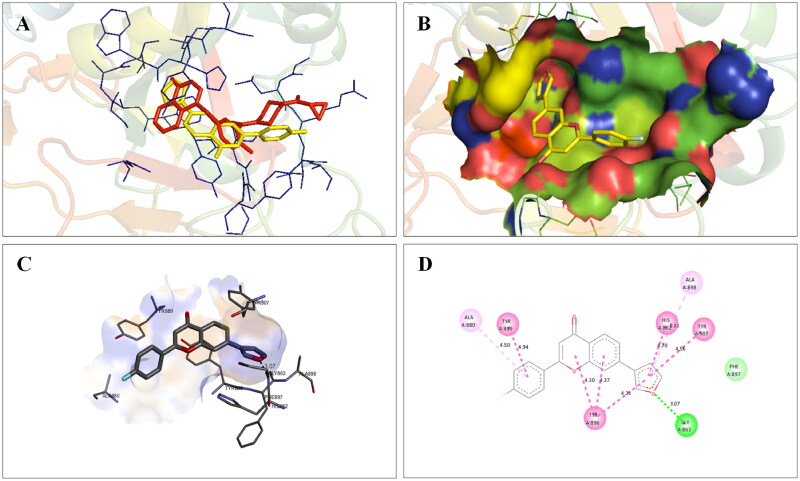
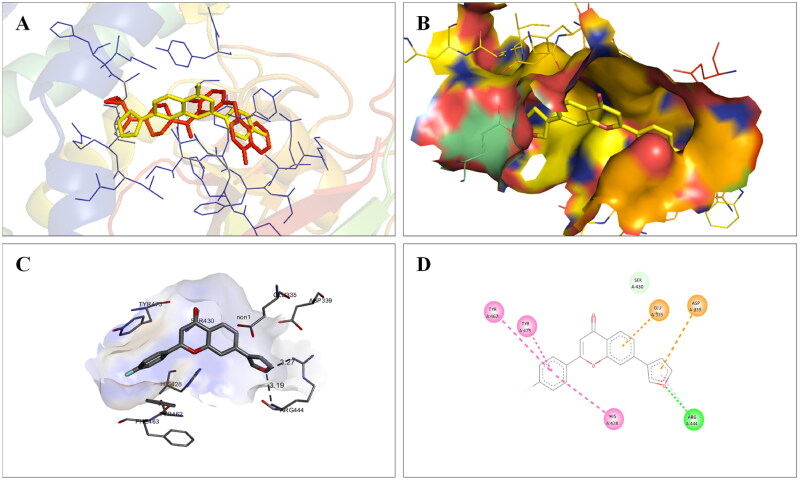
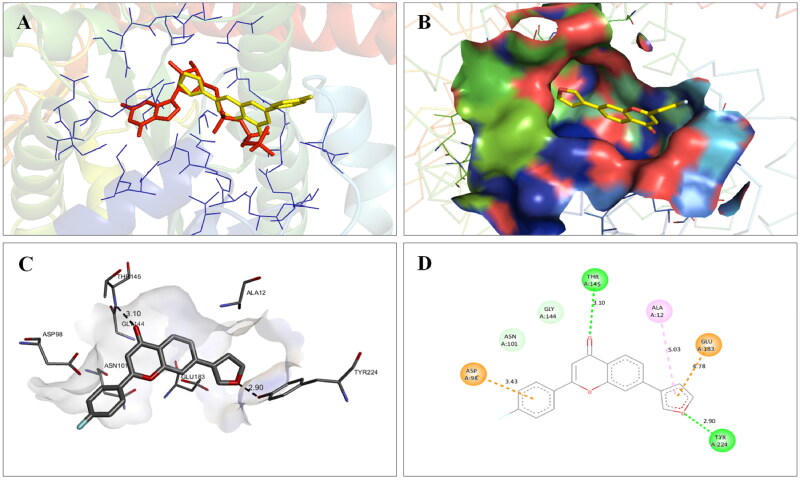
Structural tailoring of the flavone framework (position 7) via organopalladium-catalyzed C-C bond formation was attempted in this study. The impact of substituents with varied electronic effects (phenyl ring, position 2 of the benzopyran scaffold) on the antitumor properties was also assessed. Resultantly, the efforts yielded a furyl arm bearing benzopyran possessing a 4-fluoro phenyl ring (position 2) (14) that manifested a magnificent antitumor profile against the Ishikawa cell lines mediated through dual inhibition of PARP and tubulin [(IC50 (PARP1) = 74 nM, IC50 (PARP2) = 109 nM) and tubulin (IC50 = 1.4 µM)]. Further investigations confirmed the ability of 14 to induce apoptosis as well as autophagy and cause cell cycle arrest at the G2/M phase. Overall, the outcome of the study culminated in a tractable dual PARP-tubulin inhibitor endowed with an impressive activity profile against endometrial cancer.
Keywords: Flavone; PARP; benzopyran; endometrial cancer; inhibitor; tubulin.
Conflict of interest statement
The authors declare that they have no known competing financial interests or personal relationships that could have appeared to influence the work reported in this paper.
Figures
References
-
- Nagy JD, Armbruster D.. Evolution of uncontrolled proliferation and the angiogenic switch in cancer. Math Biosci Eng. 2012;9(4):843–876. - PubMed
-
- Kuo CN, Liao YM, Kuo LN, Tsai HJ, Chang WC, Yen Y.. Cancers in Taiwan: practical insight from epidemiology, treatments, biomarkers, and cost. J Formos Med Assoc. 2020; 119(12):1731–1741. - PubMed
-
- Doll R, Peto R.. The causes of cancer: quantitative estimates of avoidable risks of cancer in the United States today. J Natl Cancer Inst. 1981;66(6):1192–1308. - PubMed
-
- Trichopoulos D, Li FP, Hunter DJ.. What causes cancer? Sci Am. 1996;275(3):80–87. - PubMed
MeSH terms
Substances
LinkOut - more resources
Full Text Sources
Other Literature Sources
Miscellaneous
