


Comparative transcriptomics of the garden dormouse hypothalamus during hibernation
- PMID: 37925593
- PMCID: PMC10839406
- DOI: 10.1002/2211-5463.13731
Comparative transcriptomics of the garden dormouse hypothalamus during hibernation
Abstract
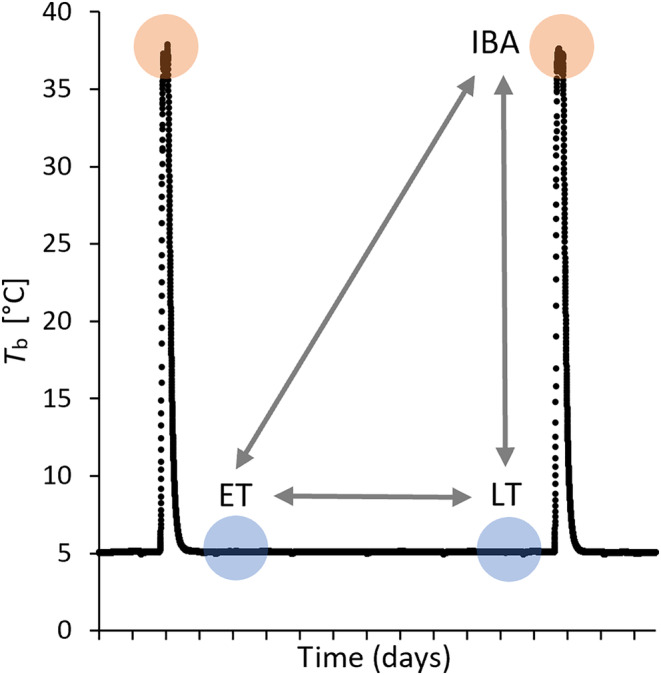
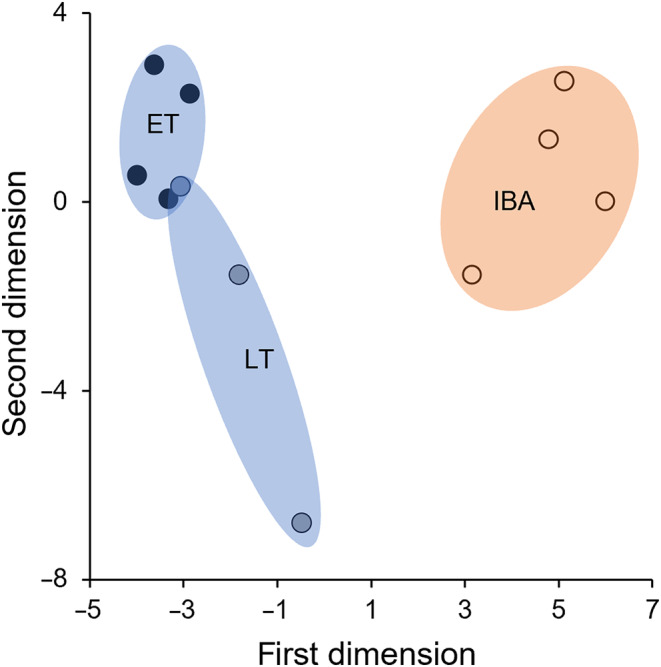
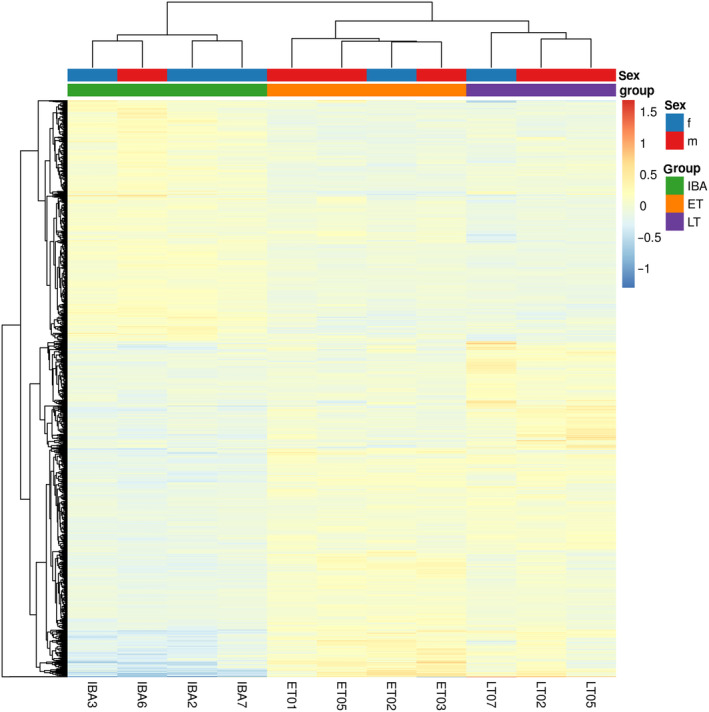
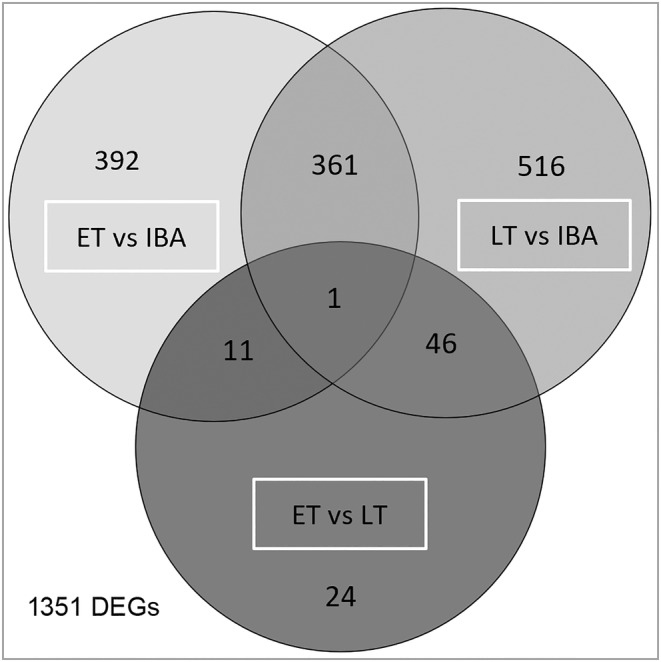
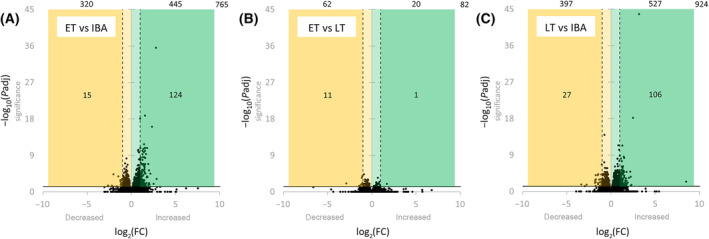
Torpor or heterothermy is an energy-saving mechanism used by endotherms to overcome harsh environmental conditions. During winter, the garden dormouse (Eliomys quercinus) hibernates with multiday torpor bouts and body temperatures of a few degrees Celsius, interrupted by brief euthermic phases. This study investigates gene expression within the hypothalamus, the key brain area controlling energy balance, adding information on differential gene expression potentially relevant to orchestrate torpor. A de novo assembled transcriptome of the hypothalamus was generated from garden dormice hibernating under constant darkness without food and water at 5 °C. Samples were collected during early torpor, late torpor, and interbout arousal. During early torpor, 765 genes were differentially expressed as compared with interbout arousal. Twenty-seven pathways were over-represented, including pathways related to hemostasis, extracellular matrix organization, and signaling of small molecules. Only 82 genes were found to be differentially expressed between early and late torpor, and no pathways were over-represented. During late torpor, 924 genes were differentially expressed relative to interbout arousal. Despite the high number of differentially expressed genes, only 10 pathways were over-represented. Of these, eight were also observed to be over-represented when comparing early torpor and interbout arousal. Our results are largely consistent with previous findings in other heterotherms. The addition of a transcriptome of a novel species may help to identify species-specific and overarching torpor mechanisms through future species comparisons.
Keywords: Eliomys quercinus; RNA-Seq; differential gene expression; euthermia; hibernation; metabolism.
© 2023 The Authors. FEBS Open Bio published by John Wiley & Sons Ltd on behalf of Federation of European Biochemical Societies.
Conflict of interest statement
The authors declare no conflict of interest.
Figures
References
-
- Geiser F (2021) Ecological Physiology of Daily Torpor and Hibernation. Springer International Publishing, Cham.
-
- Wilz M and Heldmaier G (2000) Comparison of hibernation, estivation and daily torpor in the edible dormouse, Glis glis . J Comp Physiol B 170, 511–521. - PubMed
-
- Dark J (2005) Annual lipid cycles in hibernators: integration of physiology and behavior. Annu Rev Nutr 25, 469–497. - PubMed
-
- Gil‐Delgado JA, Cabaret P, Declercq S, Gómez J and Sánchez I (2006) Winter reproduction of Eliomys quercinus (Rodentia) in the orange groves of Sagunto (Valencia, Spain). Mammalia 76–79.
Publication types
MeSH terms
Grants and funding
LinkOut - more resources
Full Text Sources
Molecular Biology Databases
