


Treatment of bacterial sexually transmitted infections in Europe: gonorrhoea, Mycoplasma genitalium, and syphilis
- PMID: 37927440
- PMCID: PMC10625009
- DOI: 10.1016/j.lanepe.2023.100737
Treatment of bacterial sexually transmitted infections in Europe: gonorrhoea, Mycoplasma genitalium, and syphilis
Abstract
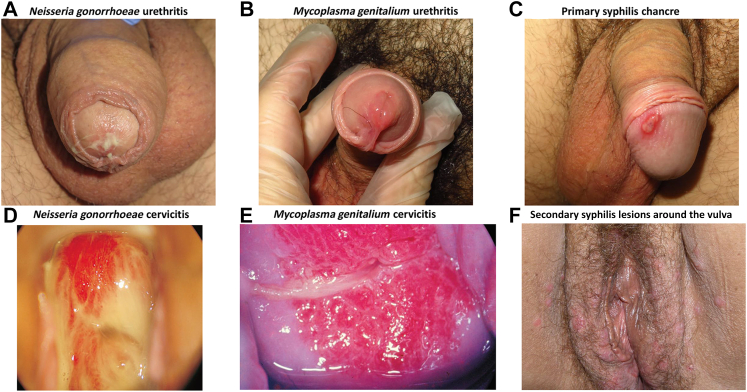
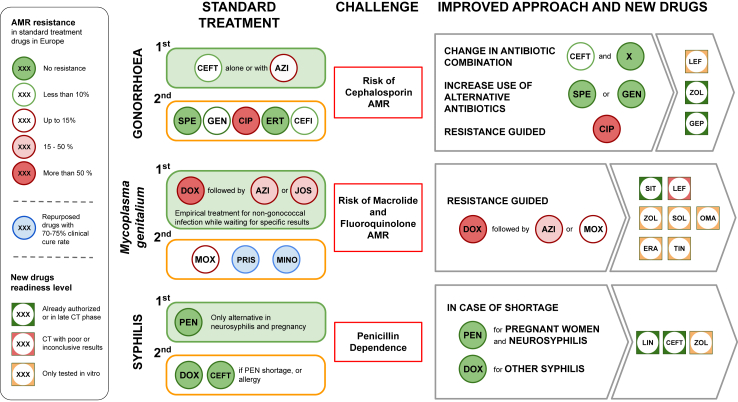
This review explores the therapeutic challenges of sexually transmitted infections (STI) in Europe, which include increasing antimicrobial resistance and limited progress in drug discovery. We primarily focus on gonorrhoea, Mycoplasma genitalium, and syphilis infections. For gonorrhoea with escalating resistance rates we explore the possibility of combining ceftriaxone with another antibiotic or using alternative antibiotics to mitigate resistance emergence, and we provide insights on the ongoing evaluation of new antimicrobials, like gepotidacin and zoliflodacin. In the case of M. genitalium, which exhibits high resistance rates to first and second-line treatments, we emphasize the importance of resistance-guided therapy in regions with elevated resistance levels, and highlight the limited alternative options, such as pristinamycin and minocycline. Furthermore, we address the challenges posed by syphilis, where the primary treatment consists of penicillin or doxycycline, with challenges arising in neurosyphilis, allergy, pregnancy, and supply shortages and discuss the ongoing evaluation of alternative antimicrobials (e.g., ceftriaxone, cefixime, linezolid). Our findings identify priority actions and provide concrete solutions for long-term effective management of STIs and antimicrobial resistance mitigation.
Keywords: Gonorrhoea; Mycoplasma; Syphilis; Treatment.
© 2023 The Author(s).
Conflict of interest statement
JR reports personal fees from GSK Pharma and Bayer Consumer Care; ownership of shares in GSK Pharma and AstraZeneca Pharma; lead author of the UK and European Guidelines on Pelvic Inflammatory Disease; Member of the European Sexually Transmitted Infections Guidelines Editorial Board. He is treasurer for the International Union against Sexually Transmitted Infections and chair of charity trustees for the Sexually Transmitted Infections Research Foundation charity. CB reports to be recipient of Federal research funding support from Australian NHMRC (L1 Investigator grant) and the ARC (ARC Industrial Research Transformation Hub), payment of honoraria for drafting of guidelines from Abbott, and receipt of equipment from Speedx and Cepheid. She is a board member of ISSTDR. The other authors declare no competing interests.
Figures
References
-
- Unemo M., Bradshaw C.S., Hocking J.S., et al. Sexually transmitted infections: challenges ahead. Lancet Infect Dis. 2017;17:e235–e279. - PubMed
-
- European Centre for Disease Prevention and Control . 2021. Gonococcal antimicrobial susceptibility surveillance in the European Union/summary of results for 2019.
Publication types
LinkOut - more resources
Full Text Sources
