


Injuries related to pets, exotic animals, and falconry in Qatar
- PMID: 37936885
- PMCID: PMC10626145
- DOI: 10.5339/qmj.2023.27
Injuries related to pets, exotic animals, and falconry in Qatar
Abstract
Introduction: Pets and exotic animals are increasingly popular all over the world. Some of these animals may cause injuries to their owners or other people during interactions. Both injuries and systemic infections always present diagnosis and treatment challenges. Emergency physicians´ clinical experience in managing patients with injuries caused by pets and exotic animals, in particular, is limited; hence, we believe that it is a domain to explore in a Middle Eastern country to help raise awareness and provide reminders as to the best evidence-based medical practice.
Methods: Hamad Medical Corporation's hospital records of patients treated between 2015 and 2022 were analyzed retrospectively. Cases whose diagnosis was recorded as injuries caused by animals kept as pets were included in the study. Patients were evaluated in terms of demographic characteristics, type of injury, injury locations, injury severity, treatments applied, and complications. Descriptive statistics were carried out, and findings were expressed as percentages in a frequency table.
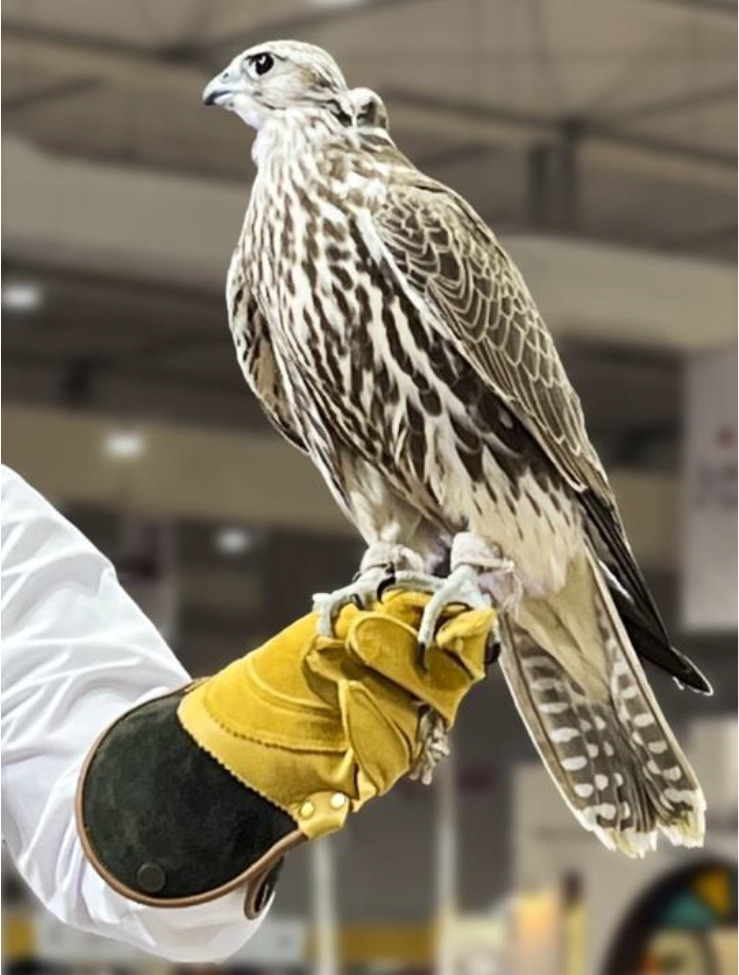
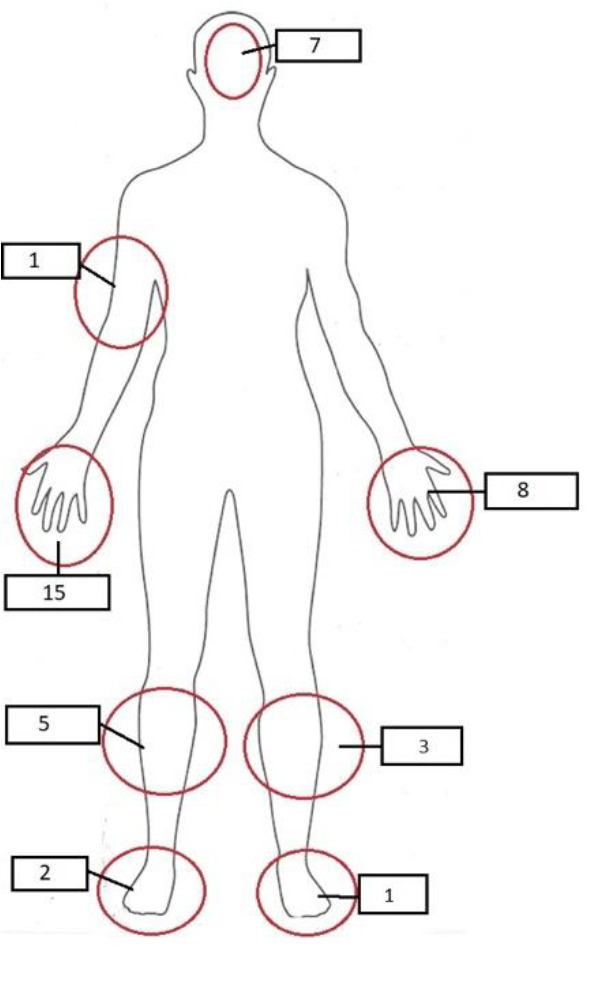
Results: Following a search of the electronic patient records during the period of interest, 43 patients were found to have sought treatment following an injury caused by a pet or domestic exotic animal. The mean age of the patients was 23.5 years; about three-quarters were male, and approximately half were children. All injuries were minor, and 74.4% were skin abrasions. The most commonly injured body parts were the hand, the leg, and facial injuries. It was observed that cats caused 53.5% of the injuries, whereas falcons were involved in 11.6% of the cases. All patients were prescribed prophylactic antibiotics, and 60.5% were administered a tetanus injection.
Conclusion: Despite our study spanning over seven years, a relatively low number of patients reported to the government hospitals´ emergency departments. The injuries are most commonly caused by cats and often involve children and animal bites to hands. The key recommendations are for parents or childminders to always supervise children when interacting with animals, be particularly cautious, and wear some form of protection when handling pets and domestic, exotic animals. Whether it is a bite or a scratch, healthcare professionals should always anticipate the potential risk of infection, treat the patient accordingly, and prescribe prophylactic antibiotics.
Keywords: exotic animal; falconry; injury; pet.
© 2023 Turkmen, Alinier, Elmoheen, Qureshi, Ponappan, Majed, Bahgat, Khan, Azad, licensee HBKU Press.
Conflict of interest statement
The authors declare that there are no competing interests.
Figures
References
-
- Hodgson K, Barton L, Darling M, Antao V, Kim FA, Monavvari A. Pets´ impact on your patients´ health: leveraging benefits and mitigating risk. J Am Board Fam Med. 2015 Jul 1;28((4):):526–34. - PubMed
-
- Friedmann E, Thomas SA. Pets and the Family. Milton Park:: Taylor & Francis;; 2016. Apr 1, Health benefits of pets for families; p. 191–204.
-
- Morgan L, Protopopova A, Birkler RI, Itin-Shwartz B, Sutton GA, Gamliel A et al. Human–dog relationships during the COVID-19 pandemic: booming dog adoption during social isolation. Humanit Soc Sci Commun. 2020 Nov 24;7((1):):155. doi: 10.1057/s41599-020-00649-x. - DOI
-
- Grant RA, Montrose VT, Wills AP. ExNOTic: should we be keeping exotic pets? Animals. 2017;;7((6):):47. doi: 10.3390/ani7060047. - DOI - PMC - PubMed
-
- Warwick C, Steedman C. Injuries, envenomations and stings from exotic pets. J R Soc Med. 2012;;105((7):):296–9. doi: 10.1258/jrsm.2012.110295. - DOI - PMC - PubMed
LinkOut - more resources
Full Text Sources
Miscellaneous